
How To
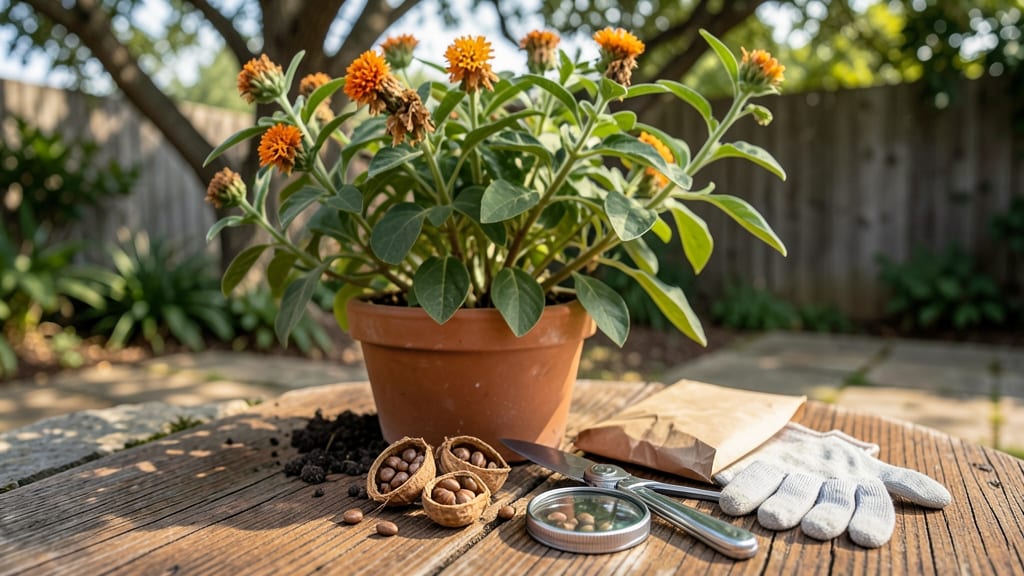
To harvest lantana seeds, wait until the seed pods turn dry and brown in late summer or early fall—this is the key to viable seeds for next year’s garden.
Picture this: your lantana 🌸 blooms have faded, but those unassuming brown pods hold the secret to next season’s vibrant display. One wrong move, and you’ll end up with moldy seeds or wasted effort.
Timing matters more than you think. Harvest too early, and the seeds won’t germinate; too late, and they scatter on the wind. I’ll walk you through the exact steps to collect, dry, and store them properly—so you can start fresh plants in spring without the guesswork.
From identifying mature pods to troubleshooting storage issues, you’ll learn how to turn this year’s lantana into next year’s colorful focal point. Let’s get started.

When and how to identify mature lantana seeds for harvesting
Harvesting lantana seeds at the right time ensures high viability and strong plants next season. The key is watching for visual cues like dry seed pods and brown coloration.
These signs appear late summer to early fall, typically between September and October in most USDA zones, including Zone 6a where lantana thrives.
Lantana flowers transform into small, round seed pods after blooming. When pods turn from green to brown and begin splitting open, they’re ready for harvest. Premature collection risks low germination rates or moldy seeds. Always harvest on dry, sunny days to prevent moisture damage.
| Stage | Seed Pod Appearance | Harvest Readiness | Best Time to Collect |
|---|---|---|---|
| Early Flowering | Green, firm pods | Not ready | Avoid harvesting |
| Late Summer | Brown, dry pods | Ready | September-October |
| Overripe | Split pods, seeds scattered | Too late | Skip collection |
To harvest, gather these essential tools: a pair of clean pruning shears, a paper bag for collection, and a labeling marker. Snip pods just as they begin splitting open—this ensures maximum seed viability. Place pods in the paper bag to allow airflow while preventing seed loss.
Environmental factors like humidity and temperature impact seed maturity. In hot, dry climates, pods dry faster, while high humidity may delay readiness. Monitor your lantana plants daily during late summer to catch the perfect harvest window.
Gently squeeze a seed pod to test readiness. If seeds rattle inside and the pod opens easily, it’s time to harvest. Avoid collecting pods that are still green or firm, as these seeds won’t germinate well.
Always harvest before the first frost in your area to prevent seed loss.
Label your seed collection with the harvest date and lantana variety if growing multiple types. Store pods in a cool, dry place for 1-2 weeks to complete drying before processing. Proper labeling prevents confusion and ensures you track seed viability over time.
If you miss the harvest window, don’t worry—lantana seeds can remain viable for 1-2 years if stored correctly. However, fresh seeds germinate more reliably. Always prioritize early fall harvesting for the best results in your garden.
For large lantana plants, focus on harvesting from healthy, disease-free branches. Diseased pods may produce weak seeds. Remove any moldy or damaged pods immediately to protect your seed stash and future plants.
Once pods are fully dry, gently crush them to release seeds. Store seeds in a paper envelope or glass jar with a silica gel packet to absorb moisture. Keep seeds in a dark, cool location like a pantry or seed vault for long-term storage.
With these steps, you’ll ensure a reliable supply of lantana seeds for next season’s vibrant blooms. Happy harvesting! 🌾✂️🌸
Proper drying and storage techniques to preserve lantana seed viability
Once you’ve harvested your lantana seed pods, proper drying is critical to prevent mold and maintain seed viability. I’ve found that air-drying is the gentlest method—simply spread pods in a single layer on a paper towel or screen tray in a well-ventilated area away from direct sunlight.
This process takes 1-2 weeks, depending on your climate’s humidity levels.
For faster drying, you can use an oven-drying method at 140°F (60°C) for 1-2 hours. This works well in humid climates where air-drying might take too long. Just be sure to monitor closely—overheating can damage seeds. Once completely dry, pods should feel lightweight and brittle when squeezed.
⚠️ WARNING: Common Mistakes in Drying Lantana Seeds ⚠️
- Skipping the drying process: Freshly harvested pods contain too much moisture, leading to mold and rot during storage.
- Using high heat: Temperatures above 160°F (71°C) can kill seeds by damaging their embryos.
- Storing damp pods: Even slightly moist seeds develop fungal growth within days, reducing viability.
- Ignoring airflow: Trapped moisture from poor ventilation causes seeds to sprout prematurely or spoil.
After drying, transfer seeds to airtight containers like glass jars or paper envelopes. I recommend adding a silica gel packet to absorb any remaining moisture. Store containers in a cool, dark place—think pantry or seed vault—where temperatures stay between 32-41°F (0-5°C).
To test seed viability before planting, perform a simple float test: place 10 seeds in a glass of water. After 15 minutes, remove any that float—they’re empty shells.
Sunk seeds have a 90%+ chance of germinating. For extra insurance, soak viable seeds in lukewarm water for 24 hours before planting to break dormancy.
Lantana seeds can last 1-2 years in proper storage, but germination rates drop after the first year. That’s why I always label containers with the harvest date and lantana variety. If you notice musty smells or white fuzz during storage, discard those seeds immediately—they’re contaminated.
For long-term storage beyond 2 years, consider freeze-drying seeds in a home dehydrator at 120°F (49°C) for 4-6 hours. This extends viability to 5+ years while preserving genetic integrity. Just remember: fresh is best for lantana seeds!
With these techniques, you’ll ensure your lantana seeds stay viable until planting season. Next time, we’ll explore germination tips to get your seeds sprouting like clockwork! 🌿✂️