
How To
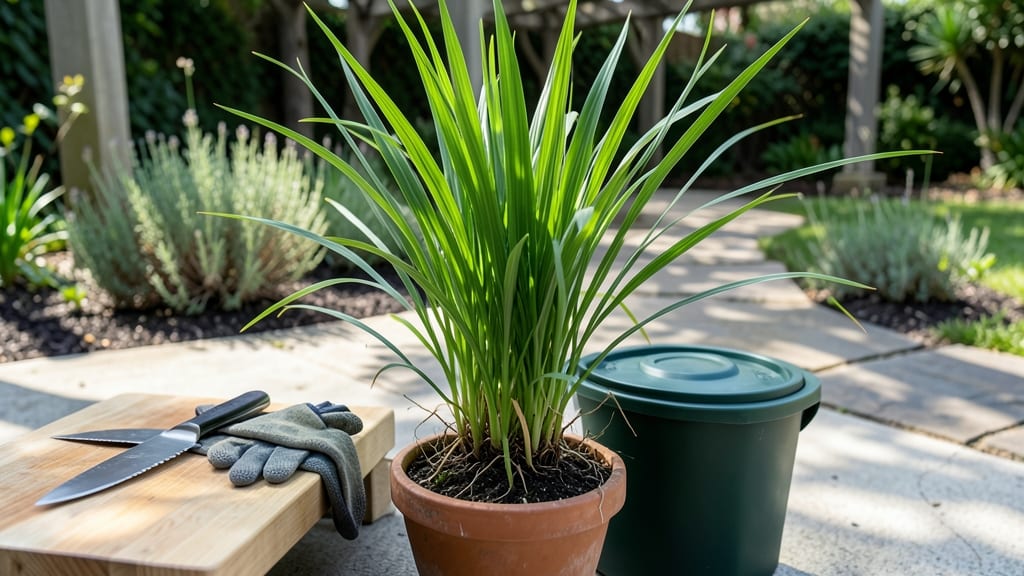
Harvesting lemon grass at the right time and with the right technique ensures you get the most fragrant, flavorful stalks 🌿—and keeps your plant thriving for future harvests.
Picture this: you’ve nurtured your lemon grass for months, and now it’s finally ready to use. But if you cut it too early or too late, you’ll miss out on that bold citrusy punch that makes dishes sing.
The key is knowing when to snip and how to do it without harming the plant.
In this guide, I’ll walk you through the perfect timing—when the stalks are tall enough, the leaves are fully developed, and the aroma is strongest. You’ll also discover the best cutting methods to encourage regrowth, plus tips for storing your harvest so it stays fresh longer.
Whether you’re growing lemon grass for cooking, teas, or even homemade remedies, these steps will help you get the perfect yield every time—without sacrificing your plant’s future growth.

When to harvest lemon grass for peak flavor and essential oil content
Timing your lemon grass harvest correctly ensures the most aromatic, potent stalks packed with essential oils. The best window arrives when your plant reaches maturity without flowering, typically 60-90 days after planting.
Harvesting too early means milder flavor, while waiting too long risks flowering, which reduces oil potency and quality.
For peak essential oil content, focus on stalk thickness and leaf development. The ideal harvest size is when stalks reach 12-18 inches tall with a 1-inch diameter base. This stage guarantees the strongest citrusy aroma and highest oil concentration, perfect for culinary or medicinal use.
Seasonal timing also matters. In USDA Zone 6a, aim for harvests between late summer and early fall (August-October). This aligns with the plant's natural growth peak before cooler weather slows production. Avoid harvesting during dormant months (winter) when growth slows dramatically.
Visual cues are your best guide. Look for deep green, fully unfurled leaves with a bright citrus scent when crushed. The stem should feel firm and easily separate from the base when gently twisted—a sign of readiness. Ignoring these signals often leads to bitter, fibrous stalks with weak aroma.
🌿 Key Harvest Timing Signals
- 📏 Stalk height: 12-18 inches tall (measure from base)
- 👍 Base thickness: 1 inch diameter (feel for firmness)
- 🌿 Leaf development: Fully unfurled, deep green leaves
- 🌡️ Seasonal window: Late summer to early fall (before flowering)
- ✂️ Regrowth signal: New shoots appear within 2-3 weeks post-harvest
Pro Tip: Harvest in the morning for maximum oil potency and freshness.
Age matters too. Young plants (under 3 months old) should never be harvested—they need time to establish strong roots. Prioritize mature stalks while leaving at least 4-6 inches of growth to encourage regrowth. This sustainable approach ensures your lemon grass keeps producing for years.
Watch for flowering signs, which indicate it's past prime harvest time. When your plant sends up purple flower stalks, the essential oils redistribute, weakening flavor and aroma. Cutting back flowering stalks won't restore potency—it's time to let the plant rest until next season.
For continuous harvests, space cuts 6-8 weeks apart during the growing season. This rhythm maintains plant health while maximizing yield. Always harvest outer stalks first, allowing inner growth to mature. Over-harvesting weakens the plant, leading to yellowing leaves or stunted regrowth.
Temperature plays a subtle but crucial role. Harvest when daytime temps are 65-85°F—ideal for oil production. Avoid cutting during heatwaves (above 90°F) or cold snaps (below 50°F), as stress reduces oil content. Morning harvests in these ideal conditions yield the most fragrant stalks.
Don't ignore the regrowth test. After harvesting, monitor for new shoots emerging from the base within 2-3 weeks. Vigorous regrowth confirms you've maintained the plant's health. Slow or no regrowth signals over-harvesting or poor growing conditions, requiring adjustments to watering or fertilizer routines.
For essential oil extraction, prioritize harvests just before flowering when oil content peaks. Use these stalks immediately or dry them for later use. Store dried lemon grass in airtight containers away from light to preserve its citrusy aroma and medicinal properties for up to 6 months.
Step-by-step lemon grass cutting techniques for sustainable yield
Harvesting lemon grass correctly ensures you get the most from your plant while keeping it healthy for future harvests. The right cutting technique preserves the plant’s energy, encourages regrowth, and maximizes flavor.
Start by choosing the right tools—sharp pruning shears or a clean knife work best to avoid crushing the stalks and causing damage.
For whole stalk harvesting, wait until the stalks reach 12-18 inches tall with a 1-inch diameter base. This ensures the plant has stored enough energy to regrow. Avoid cutting too close to the base, as this can stress the plant or invite rot.
Instead, leave about 2-3 inches of stem above the soil to promote new shoots.
How to Harvest Lemon Grass
- Step 1: Select mature stalks (12-18 inches tall) with fragrant leaves.
- Step 2: Use sharp pruning shears or a clean knife to cut at a 45-degree angle 2-3 inches above the base.
- Step 3: Avoid cutting more than 1/3 of the plant at once to prevent stress.
- Step 4: Remove lower yellow leaves before storing to extend freshness.
- Step 5: Dry stalks upside down in a warm, dry place for 1-2 weeks or freeze whole for later use.
If you prefer leaf-only trimming, snip individual leaves from the top third of the stalk. This method is gentler and allows the plant to continue growing while you harvest smaller amounts. Just be sure to leave at least half the leaves intact to maintain photosynthesis and energy production.
After harvesting, store whole stalks in the fridge for up to 2 weeks or freeze them whole for long-term use. For drying, bundle stalks and hang them in a well-ventilated area until crisp. Once dry, strip the leaves and store them in an airtight container away from light.
To encourage regrowth, water the base thoroughly after harvesting and apply a light dose of balanced fertilizer (10-10-10) every 4-6 weeks during the growing season. With proper care, your lemon grass can produce multiple harvests per year, making it a sustainable and rewarding addition to your garden.
Remember, consistency is key—harvesting too aggressively or at the wrong time can weaken the plant. By following these steps, you’ll enjoy a steady supply of fresh, fragrant lemon grass all season long! 🌿