
How To
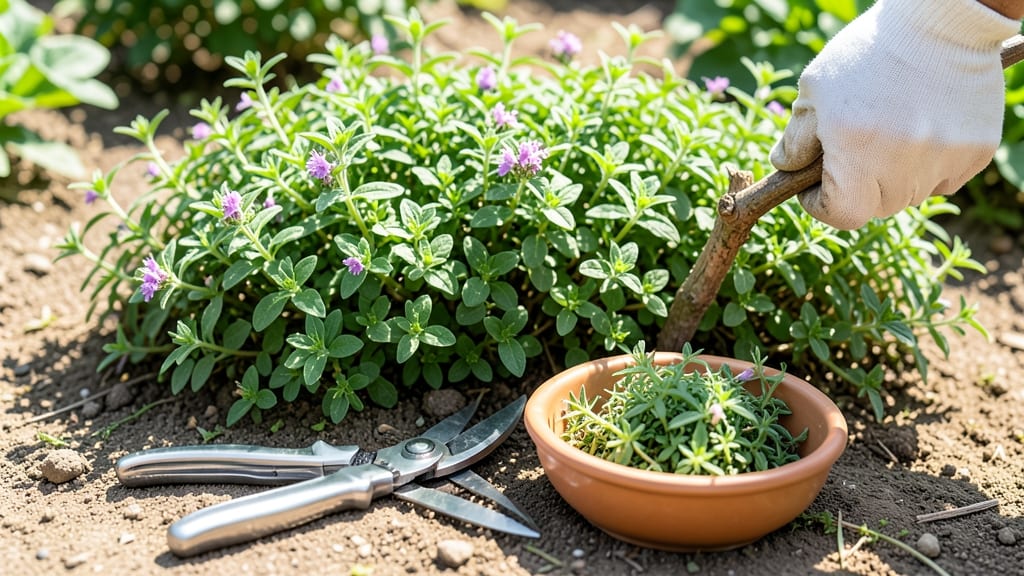
Harvesting lemon thyme correctly is the secret to keeping your 🌿 lemon thyme bushy, fragrant, and ready for your kitchen all season long.
Picture this: you pinch back a few stems, and instead of a sparse, leggy plant, you get a fuller, more vibrant bush that just keeps producing. That’s the magic of proper pruning—it’s not just about getting the herbs you need, but also about encouraging your plant to thrive.
Timing matters, too. You’ll want to harvest just before flowering for the strongest lemony flavor, and always with clean, sharp tools to avoid damaging the stems. Skip these steps, and you might end up with bitter leaves or a plant that struggles to bounce back.
In this guide, I’ll walk you through the exact techniques to harvest lemon thyme like a pro—whether you’re using it in soups, pest control, or just enjoying its bright aroma. Ready to turn your herb garden into a flavor factory?

When and how to harvest lemon thyme for maximum flavor and growth
Harvesting lemon thyme at the right time ensures you get the brightest lemony flavor while encouraging your plant to grow fuller and healthier. Unlike some herbs that lose potency with age, lemon thyme actually intensifies its aroma when harvested correctly.
The key is timing—wait until the plant is mature but before flowering, when the citrus notes peak.
Most gardeners start harvesting lemon thyme 60-90 days after planting, once the plant reaches 6-12 inches tall with fully developed leaves. If you miss this window, don’t worry—you can still harvest, but the flavor may be slightly milder.
The best time of day to harvest is in the morning after the dew has dried, when the essential oils are most concentrated.
Before you begin, gather your tools: a pair of sharp pruning shears or clean scissors, a small bowl or container for the harvest, and a spray bottle with water (to refresh cuttings).
Avoid using dull tools, as they can crush stems and damage the plant’s delicate foliage. I also recommend wearing gloves if you’re sensitive to lemon thyme’s strong aroma—it’s potent!
Now, let’s dive into the essentials with this quick reference table to guide your harvesting process:
| Harvest Stage | Key Indicators | Best Time | Tools Needed |
|---|---|---|---|
| Early Growth | Leaves 1-2 inches long, mild scent | Avoid harvesting; focus on pruning | Pruning shears (light trimming only) |
| Prime Harvest | Leaves 2-3 inches, strong lemon scent | Morning, before flowering | Sharp scissors, container, gloves |
| Post-Flowering | Flowers appear, flavor fades | Prune flowers to encourage regrowth | Pruning shears, compost bin |
| Winter Dormancy | Leaves turn brown, growth slows | Minimal harvesting; focus on protection | Mulch, protective covering |
To harvest, select healthy stems with at least 3-4 sets of leaves. Use your pruning shears to cut just above a leaf node or leaf pair, which encourages new growth from that point.
Never cut more than one-third of the plant at once, or you’ll shock the lemon thyme and slow down its regrowth. I like to harvest every 4-6 weeks during the growing season to maintain a steady supply of fresh leaves.
If you’re growing lemon thyme in containers, harvesting is even easier because you can trim stems right at the base. For in-ground plants, avoid cutting into the woody center of the plant, as this can weaken it over time.
Instead, focus on the outer stems where new growth is most active. This method keeps your lemon thyme bushier and more productive for years to come.
After harvesting, rinse the stems briefly under cool water to remove any dirt, then pat them dry with a clean towel. Store the leaves in the fridge for up to 2 weeks or dry them for long-term use.
To dry, tie small bundles of stems together and hang them upside down in a dark, well-ventilated area for 1-2 weeks. Once dry, strip the leaves from the stems and store them in an airtight container away from light.
Seasonal timing matters too! In spring and summer, when growth is most vigorous, you can harvest more frequently. In fall and winter, reduce harvesting to avoid stressing the plant.
If you live in a USDA Zone 6a or warmer, your lemon thyme may continue growing year-round, but always check for signs of dormancy before harvesting heavily.
Pro tip: If your lemon thyme starts to flower excessively, pinch off the blooms to redirect the plant’s energy into leaf production. This keeps the flavor stronger and more citrusy while encouraging a fuller, bushier plant.
With the right harvesting techniques, your lemon thyme will thrive and reward you with abundant, flavorful leaves for seasons to come.
Step-by-step guide to pruning lemon thyme for year-round productivity
Pruning your lemon thyme isn’t just about harvesting fresh leaves—it’s about shaping your plant for continuous growth and bold flavor. When done right, regular trims encourage bushier stems, stronger lemony aroma, and a plant that keeps producing well past its first harvest.
The key? Cutting at the right spots and avoiding these three common mistakes: over-pruning, cutting too late in the season, or using dull tools.
Before you grab your pruning shears, scan your plant for healthy stems—look for woody but still flexible branches with vibrant green leaves. Avoid cutting into old, bare stems or those with yellowing leaves, as these won’t regrow as well.
And always harvest just before flowering for the brightest lemon flavor. Let’s dive into the foolproof steps to keep your lemon thyme thriving all year.
How to Prune Lemon Thyme for Maximum Yield
- 1 Gather your tools: Use clean, sharp pruners or scissors to avoid crushing stems. A small hand trowel works too for precise cuts.
- 2 Identify cutting points: Trim stems just above a leaf node (where leaves meet the stem) to encourage new growth. Aim for 4-6 inches from the base.
- 3 Cut at a 45-degree angle: This prevents water from pooling on the stem, reducing rot risk. Always cut above a leaf node, never below.
- 4 Remove spent flowers: Snip off blooming stems to redirect energy to leaf production. Flowering reduces flavor intensity and can weaken the plant.
- 5 Harvest regularly: Pinch back 1/3 of the plant every 4-6 weeks during the growing season (spring to early fall) to maintain shape and productivity.
- 6 Clean up debris: Remove all clippings and fallen leaves to prevent pests and diseases. Compost healthy trimmings for nutrient-rich soil.
- 7 Winter prep: Reduce pruning in late fall to protect the plant. Light trims remove damaged stems, but avoid heavy cuts that stress the plant before dormancy.
One of the biggest myths about pruning lemon thyme is that you should only cut in the spring. But here’s the secret: year-round maintenance keeps your plant lush and productive.
After your initial harvest in early summer, continue trimming every 4-6 weeks to encourage new growth. Just avoid heavy pruning in winter months when the plant is dormant.
Pro tip: If your lemon thyme starts looking leggy or sparse, it’s a sign you’ve been harvesting too heavily. Cut back on frequency and focus on trimming just the tips of stems to coax bushier regrowth. Over time, you’ll train your plant to grow fuller and more aromatic.
Don’t forget to sterilize your tools between cuts with rubbing alcohol to prevent the spread of bacterial or fungal infections. A little prevention goes a long way in keeping your lemon thyme healthy and thriving.
With these steps, you’ll enjoy a continuous harvest of fragrant, flavorful leaves all season long.
🌿