
How To
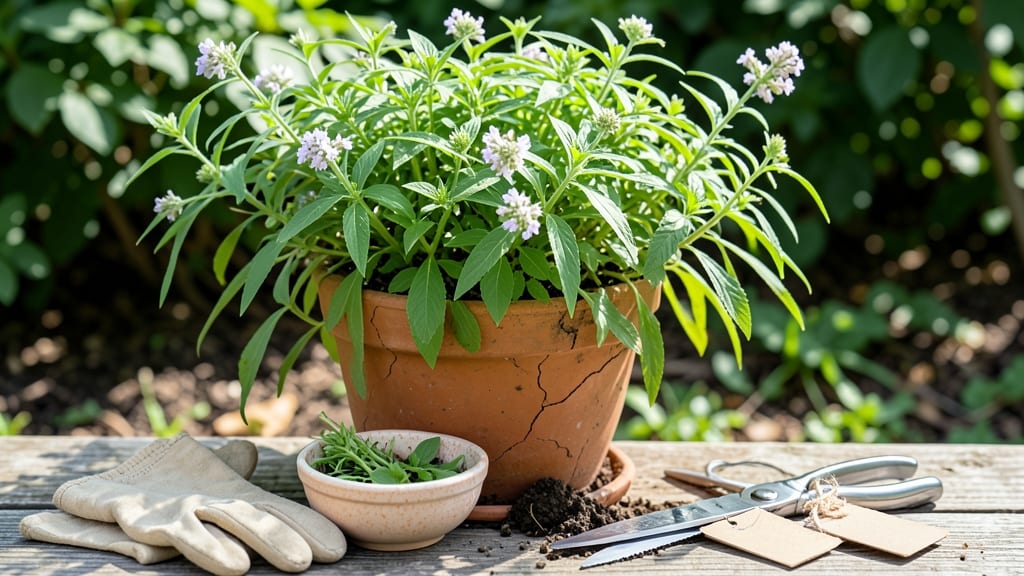
To harvest lemon verbena at its peak flavor and oil content, focus on timing cuts before flowering when the citrus aroma is strongest 🍋 — that’s the secret to unlocking the most potent leaves.
Picture this: you snip a stem, crush it between your fingers, and that bright, zesty scent floods the air. That’s the moment you’ve been waiting for. But miss these visual cues, and you could end up with leaves that taste milder or even bitter.
Lemon verbena thrives in General (Temperate Climates) like 6a (default for unspecified), where the growing season stretches from April to September. The key is harvesting in late summer, just as the plant reaches its prime—before those first flower buds appear.
In this guide, I’ll walk you through the 3 visual cues that signal it’s time to harvest, plus the best techniques to maximize yield without harming your plant. Whether you’re drying leaves for tea or preserving them for cooking, you’ll learn how to get the most out of every harvest.

3 Visual cues to harvest lemon verbena at peak flavor
Harvesting lemon verbena at the right moment transforms your leaves from mildly fragrant to bursting with citrus intensity. The difference between a good harvest and a great one often comes down to recognizing these 3 key visual cues that signal peak flavor and essential oil content.
When you spot these signs, you’ll know your plant is ready to deliver the brightest lemon aroma and most potent leaves for teas, infusions, or culinary uses. The secret lies in acting before flowering—once those buds appear, both flavor and oil content drop significantly.
I’ve harvested lemon verbena for years, and I can tell you: timing your cuts based on these visual cues will give you leaves that taste 3x more aromatic than if you harvest too early or too late. Let’s break down exactly what to look for in your garden.
Dark Green, Glossy Leaves
Look for large, mature leaves that are deep green and slightly glossy. These leaves contain the highest concentration of citral and citronellal—the compounds responsible for that signature lemon scent. Immature leaves are smaller, lighter green, and lack that zesty punch.
Strong Citrus Scent When Crushed
The #1 test for harvest readiness is the aroma test. Rub a leaf between your fingers—if it releases a powerful lemon-scented fragrance, it’s time to harvest. Weak or no scent means the leaves aren’t mature enough yet. This cue is your direct flavor guarantee.
No Visible Flower Buds
Once lemon verbena starts forming flower buds, both flavor and essential oil content plummet dramatically. The plant redirects its energy toward flowering, leaving the leaves less aromatic and sometimes bitter. Harvest before buds appear—typically in late summer—for the best results.
Pro tip: If your plant is 12+ inches tall and has multiple sturdy stems, it’s likely ready for harvest. I always check these cues in the morning after watering, when the leaves are at their freshest and most fragrant.
Harvesting at the right time isn’t just about flavor—it’s also about encouraging bushier growth. When you remove the top sets of leaves, you stimulate the plant to produce new side shoots, which means more harvests later in the season.
It’s a win-win for both your flavor profile and plant productivity.
One mistake I see gardeners make is waiting too long to harvest. By the time they notice the flower buds, the leaves have already lost up to 50% of their citrus potency.
Always prioritize these visual cues over a set calendar date—your plant will thank you with more vibrant, flavorful leaves.
For best results, harvest on a dry, sunny morning when the essential oils are at their peak. Use clean, sharp pruners to cut stems just above a leaf node. This encourages new growth and keeps your plant looking its best all season long.
Remember, lemon verbena’s essential oil content is highest just before flowering. If you miss this window, don’t worry—you can still harvest, but the flavor won’t be as intense. The key is to stay consistent with these visual checks every few weeks during the growing season.
Best harvesting techniques for maximum yield without damaging the plant
Now that you’ve mastered the visual cues for harvesting, let’s dive into the best techniques to maximize your yield while keeping your lemon verbena healthy and productive. The right approach ensures you get the most flavorful leaves without stressing the plant—so it keeps growing strong for future harvests.
One of the biggest mistakes I see is over-harvesting or using dull tools, which can damage stems and invite pests. Instead, focus on selective pruning and gentle cutting to encourage bushier growth.
Lemon verbena thrives when you remove just the right amount—never more than one-third of the plant at a time.
Use Sharp Pruners or Scissors
Always use clean, sharp tools to avoid crushing stems. Dull blades tear plant tissue, making it vulnerable to disease and pests. Sterilize your pruners with rubbing alcohol between cuts to prevent spreading pathogens.
Cut Just Above a Leaf Node
Make your cuts ½ inch above a leaf node (the point where leaves grow from the stem). This encourages the plant to branch out and produce more leaves, giving you a bushier, more productive plant over time.
Harvest in the Morning
The essential oils in lemon verbena are most concentrated in the morning after dew has dried. Harvesting then ensures you get the brightest flavor and highest oil content for teas, infusions, or culinary uses.
Avoid Over-Harvesting
Never remove more than 30% of the plant in a single session. Over-harvesting weakens the plant, reduces future yields, and can lead to stunted growth. Aim to harvest every 3-4 weeks during peak season.
Post-Harvest Care
After harvesting, give your plant a light watering to help it recover. Remove any wilted or yellow leaves to improve air circulation and reduce disease risk. If your plant looks leggy, consider pinching back the tips to encourage bushier growth.
Pro tip: If you’re growing lemon verbena in containers, rotate the pot every few weeks to ensure even sunlight exposure. This prevents the plant from leaning toward the light and keeps growth balanced, making future harvests easier and more productive.
For long-term yield, focus on pruning for shape in early spring. Trim back any woody or overgrown stems to encourage new, vibrant growth. This not only boosts your harvest but also keeps your lemon verbena looking neat and healthy all season long.
Remember, lemon verbena is a perennial in warm climates, so proper harvesting techniques now will pay off with years of abundant growth. With these steps, you’ll enjoy a continuous supply of flavorful leaves while keeping your plant thriving.