
How To
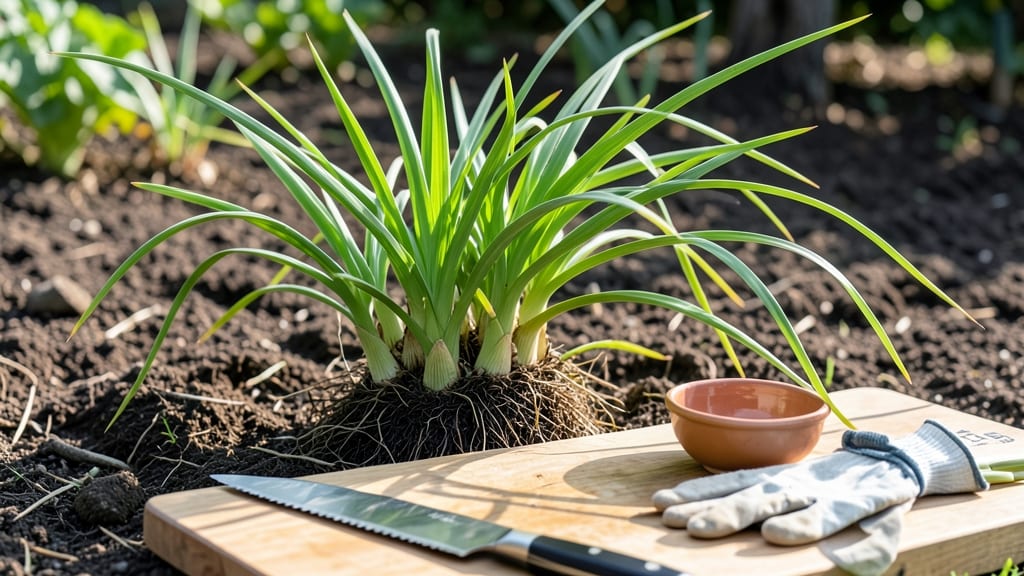
Harvesting lemongrass without killing the plant means cutting the right stems at the right time—something even experienced gardeners get wrong if they don’t know the tricks.
Picture this: You’ve grown your 🍋 plant for months, eagerly waiting to snip those fragrant stalks for your favorite recipes. But after a few harvests, the plant stops growing back—leaving you with a sad, stunted clump instead of a thriving source of fresh flavor.
The problem? Most people cut too much or at the wrong spot, accidentally starving their plant.
Lucky for you, the secret to a continuous harvest is simple: target the outer stems, leave the inner core intact, and time your cuts for peak regrowth. With the right technique, you’ll enjoy fresh lemongrass for years without sacrificing future yields.
Below, I’ll walk you through the exact method—where to cut, how often, and what to watch for to keep your plant happy and productive. No more guesswork, just a steady supply of homegrown goodness.

Which lemongrass stems can you harvest without damaging the plant?
Lemongrass thrives when you harvest its outer stems—the mature, woody stalks—while protecting the inner growth where new shoots emerge. The key is targeting stems that are at least 12-18 inches tall with fully developed leaves, as these indicate the plant has stored enough energy to regenerate.
Cutting too close to the base or harvesting the central shoots can permanently damage your plant's ability to produce new growth.
Your lemongrass follows a 3-stage regrowth cycle: after harvesting, the plant enters a dormant phase (1-2 weeks), then produces new shoots from the base, and finally reaches maturity (6-8 weeks). Understanding this cycle helps you time harvests to avoid overstressing the plant.
For example, harvesting in late spring or early summer gives your lemongrass enough time to recover before cooler weather slows growth.
Visual cues are your best friends when deciding which stems to harvest. Look for thick, woody stalks (about ½-inch diameter) with dry, papery lower leaves—these are ready for harvest. Avoid stems with bright green leaves near the base, as these are still growing.
The leaf color gradient (older leaves at the bottom, younger at the top) is a clear indicator of which stems to trim.
Here’s the golden rule: Never harvest more than ⅓ of your lemongrass plant at once. This ensures the remaining stems can support regrowth. For instance, if your plant has 12 mature stalks, harvest only 4 in a single session.
Over-harvesting in one go can lead to yellowing leaves or even plant death, as the root system struggles to support new growth.
| Stem Type | Visual Cues | Harvest Status | Regrowth Impact |
|---|---|---|---|
| Outer Stems | Woody, ½-inch+ diameter, dry lower leaves, 12-18" tall | ✅ Safe to Harvest | Promotes new shoots from base |
| Inner Stems | Thin, bright green leaves, no woody texture, less than 12" tall | ❌ Avoid Harvesting | Stunts plant growth, delays regrowth |
| Central Shoot | Thickest stem, no side shoots, top leaves still growing | ❌ Never Harvest | Kills plant—this is the main growth point |
| Mature Stem Base | Brown, dry nodes, no green leaves, 1-2" from soil | ✅ Safe to Trim | Encourages side shoots, maintains health |
Healthy roots are the foundation of successful regrowth. After harvesting, gently lift the soil around your lemongrass to check for white, fibrous roots. If the roots appear brown or mushy, your plant is stressed and needs recovery time.
In this case, reduce harvesting frequency and focus on watering deeply (1-2 times per week) to encourage root regeneration. A healthy root system can produce 2-3 new stalks within 6-8 weeks of proper care.
Seasonal timing plays a crucial role in sustainable harvesting. In spring, your lemongrass is entering its growth phase, so limit harvesting to 1-2 stalks per plant to avoid stress.
By mid-summer, the plant is established and can handle 3-4 stalks per harvest, provided you leave at least 6 inches of stem above the soil. In fall, reduce harvesting to allow the plant to store energy for winter survival.
One common mistake is cutting stems at a sharp angle near the base, which can damage the plant’s growth nodes. Always make clean cuts 1-2 inches above the soil line using sterilized pruning shears.
This ensures the plant can seal the wound quickly and focus energy on regrowth. Avoid tearing stems by hand, as this creates jagged edges that invite pests or disease.
To maximize your harvest, rotate which stems you trim. For example, if you harvest the north-facing stalks in one session, focus on the south-facing stalks in the next. This balanced approach ensures even growth and prevents one side of the plant from becoming overcrowded.
Over time, you’ll notice your lemongrass developing a fuller, bushier structure with multiple harvestable stalks.
Remember, your goal is to encourage, not exhaust, your lemongrass. With the right harvesting technique, you can enjoy continuous yields for years—whether you’re making homemade tea, cooking, or gifting bundles to friends.
The key is patience and observation: watch your plant’s response, adjust your harvesting schedule, and soon you’ll have a thriving lemongrass that keeps giving back.
Step-by-step harvesting process to maximize regrowth
Ready to harvest your lemongrass without killing the plant? The key is precision—cutting the right stems at the right time while leaving the plant’s energy reserves intact. Start by selecting mature outer stalks (about 12-18 inches tall) that are at least 1/4-inch thick.
These are the ones that won’t compromise your plant’s core growth. Avoid cutting the innermost stems—these are the plant’s lifeline for regrowth.
Timing matters too. In spring and early summer, your plant is most resilient, so it can handle more frequent harvests. By late summer or fall, reduce harvesting to avoid stressing the plant before winter dormancy.
Aim for every 4-6 weeks during peak growing seasons, but never take more than 1/3 of the stalks at once.
✂️ Sharp pruning shears (sterilized with rubbing alcohol) or a clean knife
🧼 Disinfect tools before and after each use to prevent disease
🌿 Select outer stalks (not the center) that are 12-18 inches tall
📏 Look for 1/4-inch thickness—thinner stalks aren’t ready
✂️ Make a 45-degree angle cut 1-2 inches above the ground
🚫 Never cut the base—this severs the plant’s energy source
💧 Water deeply after harvesting to reduce stress
🌱 Apply balanced fertilizer (10-10-10) to encourage regrowth
🌱 New shoots should appear in 2-4 weeks
🚨 If no growth after 6 weeks, reduce future harvests
After harvesting, your lemongrass will send out new shoots from the base of the cut stalks and surrounding areas. To speed up regrowth, trim any yellow or damaged leaves and add a 1-inch layer of mulch around the base to retain moisture.
This keeps the soil cool and protects the roots during hot weather.
Seasonal adjustments are crucial. In spring, your plant is aggressive with growth, so you can harvest up to 3 times in 3 months. Shift to bi-weekly harvests in summer when growth slows slightly due to heat.
By fall, taper off harvesting entirely to let the plant store energy for winter survival.
Pro tip: Store harvested stalks in a plastic bag in the fridge for up to 2 weeks, or freeze them for longer-term use. This way, you’ll always have fresh lemongrass on hand while keeping your plant thriving for future harvests.
With this method, you’ll enjoy a continuous supply of lemongrass without ever sacrificing your plant’s health.