
How To
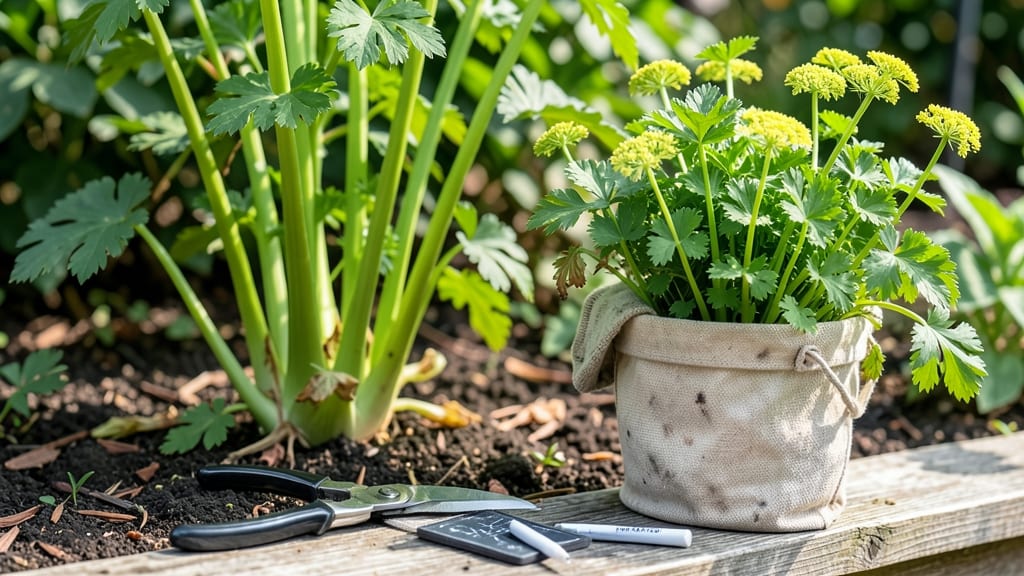
Harvesting lovage at the right time turns its towering 🌿 stems and fragrant leaves into a kitchen game-changer—when stems hit 3 feet or taller, the flavor peaks and regrowth thrives.
Picture this: You reach for your lovage, only to find the leaves turning bitter or the stems woody. That’s the cost of harvesting too late—or too early.
The difference between a bold, aromatic herb and one that’s past its prime comes down to timing, cutting technique, and knowing when to stop.
Lovage doesn’t just survive being cut back—it rewards you with bushier growth if you follow the right steps.
In this guide, I’ll walk you through the exact height and leaf cues to look for, how to snip stems without harming the plant, and when to preserve your harvest for soups, teas, or seasoning all year.
Whether you’re a seasoned gardener or just starting with lovage, these tips will ensure you get the most from every harvest—without sacrificing future yields. Let’s dive in.

When to harvest lovage stems & leaves: height, leaf, and growth cues
Timing your lovage harvest correctly ensures you get the most flavorful stems and leaves while keeping your plant healthy. The ideal time to harvest lovage stems is when they reach 3 feet tall, typically in mid-to-late summer (June-September).
This height guarantees sturdy, flavorful stems perfect for soups and seasoning. For leaves, focus on harvesting when they're 12-18 inches long and vibrant green—this usually happens 2-3 months after planting.
Harvesting too early means milder flavor and softer stems, while waiting too long risks woody stems and reduced regrowth. I always prioritize cutting before flowering to maintain the plant's potency.
The best harvest window is when your lovage is actively growing but hasn't yet sent up flower stalks—this balance ensures both quality and future productivity.
| Harvest Cue | Description | Best Time |
|---|---|---|
| Stem Height | Stems reach 3+ feet tall | Mid-summer (June-August) |
| Leaf Size | Leaves 12-18 inches long | Late spring to early fall |
| Stem Texture | Firm but not woody | Before flowering |
| Leaf Color | Deep green and vibrant | Active growth phase |
| Growth Stage | Before flowering begins | Early to mid-summer |
For first-year plants, I recommend harvesting leaves first to encourage bushier growth. The younger leaves near the top are the most tender and flavorful, so I always start there.
If you're growing lovage for its roots, wait until the plant is at least 2 years old—they're best harvested in early spring before new growth begins.
Seasonal timing matters too. In cooler climates (USDA Zone 6a), lovage grows slower, so harvest stems in late summer when they reach 3 feet. In warmer zones, you can harvest as early as June.
I've found that morning harvests yield the freshest leaves, as they're fully hydrated after overnight dew.
Watch for visual cues like yellowing leaves or soft stems—these signal it's time to hold off. Over-harvesting can stress the plant, leading to reduced regrowth or even death.
I never take more than 1/3 of the plant in a single harvest to maintain its health and vigor for future seasons.
If you're harvesting for drying or long-term storage, focus on fully mature leaves and stems. These hold the most essential oils and flavor. I like to harvest on a dry, sunny morning to ensure the best quality.
The earlier in the day you harvest, the fresher your lovage will stay.
Remember that lovage is a perennial, meaning it regrows each year. Proper harvest timing ensures you can enjoy fresh lovage for years to come. I've had the same lovage plant in my garden for over 5 years, and with careful harvesting, it's thrived beautifully every season.
For maximum flavor, always harvest just before using lovage in recipes. Freshly cut stems and leaves have the most potent aroma and taste. If you need to store your harvest, I recommend drying or freezing within 24 hours of cutting to preserve those flavors.
Finally, keep an eye on your lovage's growth patterns. If it's growing too tall too quickly, it may need less water or fertilizer. Adjust your care routine based on how your plant responds to harvesting.
With the right timing and attention, your lovage will reward you with abundant, flavorful harvests for seasons to come. 🌿
Step-by-step harvesting technique: cutting stems & leaves without damaging the plant
Harvesting lovage correctly ensures you get the most flavorful stems and leaves while keeping your plant healthy and productive. The key lies in using the right tools, making precise cuts, and knowing when to stop.
Lovage’s tender stems and aromatic leaves thrive when harvested at the right stage—before they become woody or flower.
Start by selecting the healthiest stems for harvesting. Look for stems that are at least 3 feet tall with fully developed leaves. Avoid cutting stems that are still soft or have yellowing edges, as these won’t regrow as vigorously.
The best time to harvest is in the morning after dew has dried, when the plant is hydrated but not wilted.
How to Harvest Lovage: Step-by-Step
- Step 1: Gather your tools—a sharp pair of pruning shears or a clean knife, a bucket of cool water, and a pair of gardening gloves (optional, for grip).
- Step 2: Identify the outer stems to harvest first. These are the oldest and will regrow from the base, encouraging a bushier plant.
- Step 3: Make your cut at a 45-degree angle, about 1/3 down from the top of the stem. This prevents water from pooling on the cut and reduces disease risk.
- Step 4: Avoid cutting into the main crown of the plant. Leave at least 6 inches of stem above the soil to allow for regrowth.
- Step 5: Place harvested stems in cool water immediately to preserve freshness. Change the water every 2-3 hours if storing for more than a few hours.
- Step 6: After harvesting, water the base of the plant to help it recover. Add a light mulch around the stem to retain moisture and encourage new growth.
Never remove more than 1/3 of the plant’s foliage in a single harvest. Over-harvesting can stress lovage and reduce its ability to regrow. If you’re harvesting for the roots or seeds, wait until the plant is at least 2 years old and fully mature.
After harvesting, store your lovage in the refrigerator for up to 5 days or freeze the stems for longer storage. To dry, hang stems upside down in a well-ventilated area for 1-2 weeks until crisp. Proper post-harvest care ensures your lovage stays productive for years to come.
With these techniques, you’ll enjoy a steady supply of flavorful lovage while keeping your plant thriving. Happy harvesting! 🌿✂️