
How To
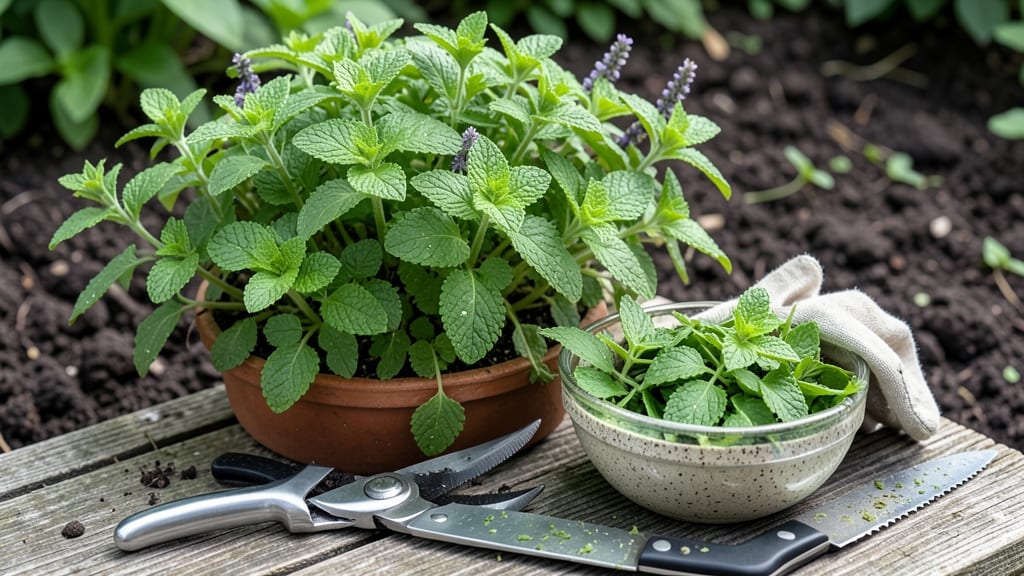
To harvest mint for tea at its peak flavor, focus on fresh leaves before the stems turn woody 🌿 — timing and technique make all the difference.
Picture this: you’re about to steep a cup of mint tea, expecting that bright, crisp flavor, but instead, you get a bitter, dull brew. That’s the difference between harvesting at the right moment and missing it entirely.
Mint thrives when picked young and vibrant, but once it flowers or the stems harden, the leaves lose their potency. With the right tools and a few simple steps, you can ensure your harvest stays fresh and aromatic for weeks.
In this guide, I’ll walk you through when to cut, how to store your harvest, and even how to revive wilted leaves so your tea never disappoints again.

When to harvest mint for maximum flavor and aroma
Harvesting mint at the right time is everything when it comes to making tea. The best flavor comes from young, tender leaves just before the plant flowers. If you wait too long, the stems become woody and tough, and the aroma fades.
I’ve learned the hard way—over-harvested mint tastes bitter and dull, no matter how much you steep it.
Your mint is ready when the leaves are large, dark green, and the stems feel firm but not hard. Crush a leaf between your fingers—if it releases a strong minty scent, that’s your cue to harvest. This usually happens about 60-75 days after planting, depending on your climate.
Seasonal timing matters too. In most regions, mint reaches peak harvest between June and September, but I always check the weather. If frost is coming, I harvest earlier to avoid losing my plants. Even in containers, mint grows fast—so regular harvesting keeps it lush and flavorful.
Here’s how to test for freshness before picking: gently tug on a stem. If it resists and the leaves are plump, it’s ready. If the leaves feel soft or mushy, the plant needs more time.
And never harvest when the soil is waterlogged—this weakens the stems and dulls the flavor.
| Harvest Stage | Leaf Condition | Stem Condition | Aroma Test | Best Time to Harvest |
|---|---|---|---|---|
| Early Growth | Small, light green | Soft, flexible | Mild scent | Avoid harvesting |
| Prime Harvest | Large, dark green | Firm, slightly woody | Strong minty aroma | June-September |
| Late Stage | Smaller, dull green | Hard, woody | Weak scent | Stop harvesting |
| Flowering | Bitter, smaller | Very woody | Faint aroma | Remove flowers |
If you’re unsure whether your mint is ready, focus on the leaf size and color. Mature leaves should be about 1-2 inches long and a rich green.
Pro tip: harvest in the morning when the oils are most concentrated. This ensures your tea will have that fresh, bright flavor you love.
One mistake I see often is harvesting too much at once. Mint regrows quickly, but if you cut back more than one-third of the plant, it can stress the roots.
Instead, I like to snip just the top sets of leaves, leaving the lower growth intact. This keeps the plant bushy and encourages more flavorful regrowth.
Pay attention to the growth stage too. If your mint starts flowering, the flavor drops dramatically. Pinch off any flower buds as soon as you see them—they signal the end of the prime harvest window.
I always keep a pair of sharp scissors handy to nip them off before they form.
For container-grown mint, the rules are the same, but you’ll need to harvest more frequently since space is limited. Containers also dry out faster, so check the soil moisture before harvesting. Overwatered mint can develop fungal issues, which ruin both the flavor and the plant’s health.
Finally, if your mint is past its prime, don’t toss it out. You can still use the stems for tea, but expect a milder taste. The key is to harvest regularly—this keeps your mint productive and your tea tasting fresh all season long.
Step-by-step mint harvesting techniques for tea
Harvesting mint correctly ensures your tea stays vibrant and flavorful. The key is to cut leaves before flowering and avoid woody stems—this keeps the aroma strong and prevents bitterness.
I’ve learned that harvesting at the right time and with the right tools transforms a mediocre cup of tea into something truly refreshing.
Mint grows aggressively, so it’s important to prune regularly to encourage bushier, more flavorful growth. If you let it go too long, the stems become tough and the leaves lose their potency.
I’ll show you exactly how to harvest mint for tea without sacrificing future growth, plus how to handle wilted leaves so you can still use them.
- Step 1 Choose the right tools
- Use clean, sharp pruning shears or gardening scissors to avoid crushing stems. Dull tools can bruise the leaves, leading to faster wilting.
- Identify healthy stems—look for firm, green growth with vibrant leaves. Avoid stems with yellowing or brown spots.
- Cut just above a leaf node (where leaves meet the stem) at a 45-degree angle. This encourages new growth and prevents water from pooling.
- Harvest in the morning when leaves are dripping with dew and flavor is strongest. Avoid harvesting after rain or late in the day.
- Revive wilted leaves by placing them in ice water for 10-15 minutes. This restores crispness and aroma for tea use.
- Step 7 Store properly
- Wrap leaves in a damp paper towel and store in a sealed container in the fridge for up to 5 days to preserve freshness.
When harvesting mint, always leave at least 2-3 inches of growth on the plant to ensure it keeps producing new leaves. I’ve found that regular harvesting (every 4-6 weeks) keeps mint lush and flavorful year-round.
If your mint starts to look leggy or sparse, it’s a sign you’re harvesting too much.
Reviving wilted mint leaves is easier than you think. Simply submerge the stems in ice water for 10-15 minutes to crisp them up again. This trick works wonders for leaves that have lost their vibrancy due to heat or improper storage.
Once revived, they’ll brew a bold, aromatic tea just like fresh-picked mint.
For the best tea quality, avoid harvesting after flowering—this is when mint’s flavor declines and the leaves become bitter. Instead, focus on young, tender growth for the brightest, most refreshing tea. With these techniques, you’ll always have a steady supply of flavorful mint for your favorite beverages.