
Flowers
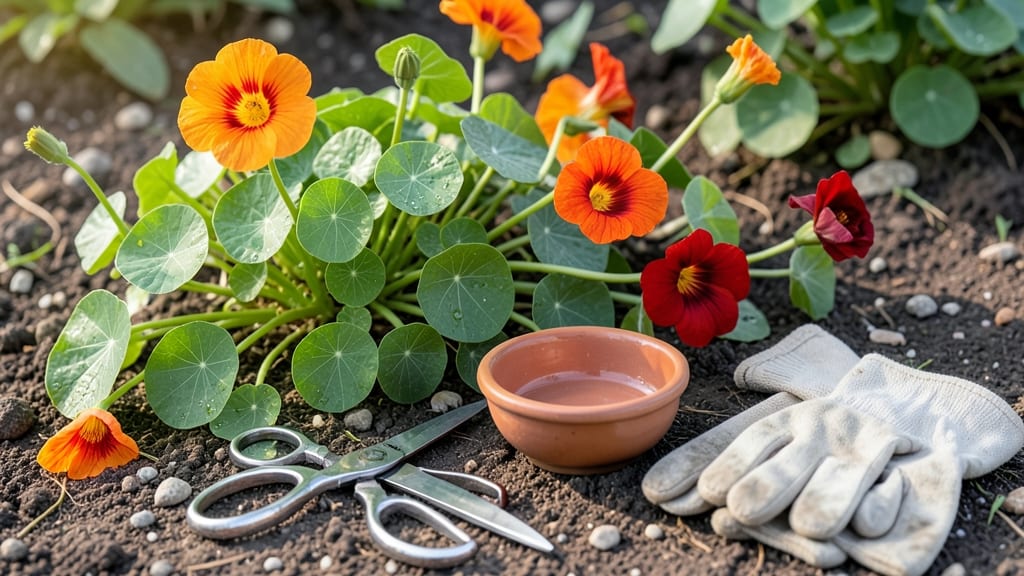
To harvest nasturtium flowers at their peak flavor and beauty 🌸, pick them in the morning when petals are fully open and crisp.
Nasturtiums aren’t just beautiful—they’re edible, packed with peppery flavor, and their flowers add stunning color to salads, garnishes, and even cocktails. But timing your harvest wrong can mean bitter blooms or wasted seeds.
Morning harvests ensure the freshest taste and longest vase life, while seed pods should be collected when they turn from green to papery brown. A little care now means more blooms later—and fewer pests.
Below, I’ll walk you through the best timing, how to handle stems for longevity, and simple tips for preserving or using your harvest—whether in the kitchen or garden.

When and how to harvest nasturtium flowers for maximum flavor & beauty
Nasturtiums reach their peak flavor and beauty when harvested at the right moment—fully open in the morning but before the heat of midday. The best time is between 7 AM and 9 AM, when petals are crisp and vibrant.
This timing ensures the brightest color and strongest peppery taste, perfect for salads or garnishes.
For culinary use, prioritize varieties like 'Alaska' or 'Jewel Mix', which have the most tender petals. Avoid harvesting overripe flowers—they turn bitter and lose their delicate texture. Instead, focus on blooms that are fully unfurled but not wilting.
🌸
| Harvest Stage | Key Features | Best Time to Harvest | Flavor/Impact |
|---|---|---|---|
| Fully Open Blooms | Petals crisp, bright color, no wilting | Morning (7-9 AM) | Sweetest, peppery, best for eating |
| Partially Open | Petals slightly curled, budding | Avoid harvesting | Mild flavor, less vibrant |
| Wilted/Overripe | Dull petals, drooping stems | Remove immediately | Bitter, tough texture |
| Seed Pods (Green) | Firm, glossy, green | Late afternoon | Immature seeds, not viable |
| Seed Pods (Papery Brown) | Dry, crinkly texture | Morning (after frost) | Ready for seed saving |
To harvest, use clean, sharp scissors or your fingers to pinch stems just above a leaf node. This encourages new growth and prevents damaging the plant.
For longer vase life, trim stems at an angle and place them in cool water immediately—this keeps them fresh for up to a week.
If you’re harvesting for culinary use, remove the thick, bitter base of each petal before using. The outer petals are the most flavorful, while the inner ones can be slightly milder. Store harvested flowers in the fridge for up to 3 days or dry them for later use.
🌿
Never harvest more than one-third of the blooms from a single plant at once. Over-harvesting stresses nasturtiums and can reduce future flower production. Instead, space out your harvests to maintain a steady supply of edible blooms all season long.
For garden longevity, remove spent flowers regularly to redirect the plant’s energy into producing more blooms. This simple step ensures your nasturtiums stay lush and productive from early summer to frost.
🌺
Pro tip: Deadhead flowers in the afternoon if you missed morning harvests. While they won’t be as flavorful, they’ll still add color to dishes and encourage more blooms. Just avoid harvesting after 2 PM, as heat can make petals wilt faster.
With these techniques, you’ll enjoy vibrant, flavorful nasturtiums all season—whether in salads, floral arrangements, or as a stunning garden centerpiece. Happy harvesting!
Harvesting nasturtium seed pods: step-by-step guide for saving seeds & encouraging regrowth
Saving nasturtium seeds is easier than you think—and it’s the best way to ensure next year’s harvest thrives with minimal cost. The key is knowing when seed pods are fully mature but not yet cracked open.
Unlike flowers, which you harvest in the morning, seed pods should be collected when they’ve turned from green to papery brown, usually in late summer or early fall, just before frost.
When seed pods are ready, they’ll feel dry and crinkly to the touch, almost like brittle paper. If you squeeze them gently and hear a slight rattling sound, that’s your cue—the seeds inside are viable and ready for collection.
Waiting too long risks the pods splitting open and scattering seeds prematurely, while harvesting too early means immature, non-viable seeds that won’t sprout.
🌱
- 1 Wait for pods to dry: Harvest only when pods turn papery brown and feel brittle. Green pods are not ready—they’ll produce weak or no seedlings.
- 2 Collect pods carefully: Use clean fingers or small scissors to snip pods from the stem. Place them in a paper bag (not plastic) to prevent moisture buildup.
- 3 Dry seeds indoors: Spread pods on a tray lined with paper towels in a warm, dry place (like a sunny windowsill). Avoid direct sunlight to prevent overheating.
- 4 Test seed viability: Once pods are completely dry, open one and check for plump, dark seeds. If they’re shriveled or hollow, they won’t sprout. Aim for a 90%+ viability rate for best results.
- 5 Store seeds properly: Place dried seeds in a paper envelope or airtight container with a desiccant packet to absorb moisture. Label with the variety and harvest year. Seeds stay viable for 2–3 years if stored in a cool, dark place.
After saving seeds, you’ll want to encourage your nasturtiums to rebloom vigorously for another round of flowers. Prune back any leggy or overgrown stems by cutting them back to a leaf node—this redirects energy to new growth.
Water deeply after pruning to help the plant recover, and consider adding a light fertilizer (like compost tea) to support regrowth.
One common mistake is overcrowding plants when they regrow, which can lead to fewer blooms. Thin seedlings to 12–18 inches apart for better airflow and sunlight penetration.
This simple step boosts flower production and reduces the risk of powdery mildew, a fungal issue that often affects dense nasturtium patches.
🌿
Pro tip: If your nasturtiums stop flowering by late summer, they might need a light trim to rejuvenate them. Cut back one-third of the plant’s height just above a set of leaves.
This hard pruning tricks the plant into producing a second flush of blooms before frost, giving you more time to enjoy (or harvest) their beauty.