
How To
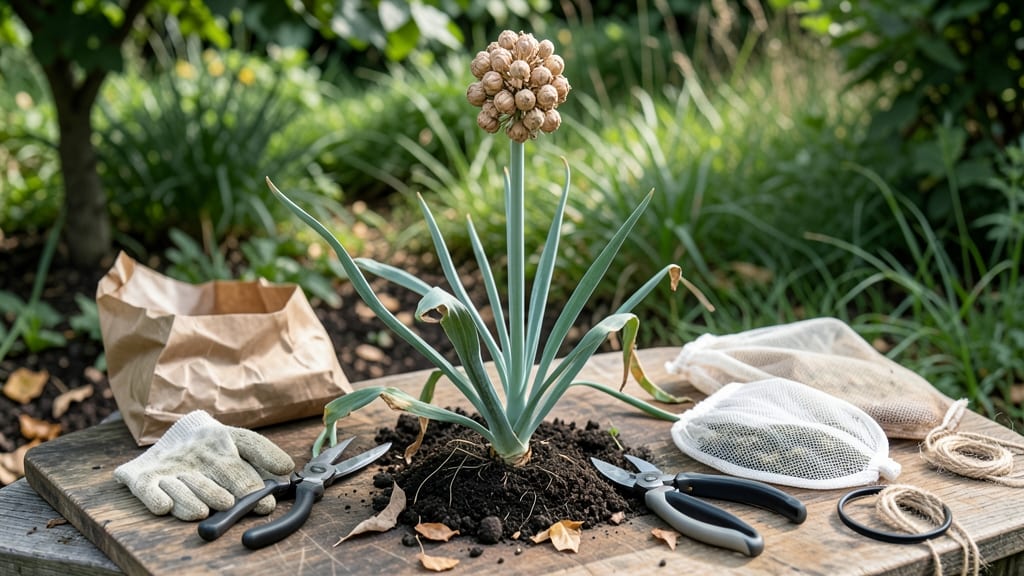
Harvesting onion seeds from your mature 🧅 plants is the best way to preserve heirloom varieties and save money next season—but timing it wrong means wasted effort.
Did you know that harvesting onion seeds from your garden can save you money and ensure heirloom varieties for next season? But timing is everything—miss the window, and your seeds won’t store well.
Here’s how to recognize the perfect moment: when the umbels turn a deep, papery brown and the seeds rattle loose inside their pods. That’s the sign you’ve been waiting for.
In this guide, I’ll walk you through every step—from cutting the seed stalks to drying and storing them properly—so you don’t lose a single viable seed to the elements.

When to harvest onion seeds: key visual and physical clues
Harvesting onion seeds at the right time ensures high-quality seeds that store well and germinate reliably. The perfect harvest window occurs when the umbel (seed head) turns completely brown and the seeds loosen naturally inside their pods.
Missing this window means seeds may not dry properly or lose viability. Let’s break down the visual and physical clues that signal it’s time to harvest.
First, focus on the umbel color, which is your primary indicator. When the flower clusters shift from green to a uniform tan or light brown, this means the seeds inside are maturing.
However, don’t wait until the umbel becomes brittle or starts to disintegrate—this is a sign of overripeness, which reduces seed quality. The ideal moment is when the umbel is fully brown but still intact.
Seed looseness is another critical clue. Gently shake a seed pod over a white paper bag—if seeds fall out easily with minimal pressure, they’re ready. If they’re still tightly held, wait a few more days. Overripe seeds will scatter on their own, indicating you’ve missed the optimal harvest time. This simple test takes just seconds but saves you from wasted effort.
Next, examine the stem condition. The seed stalks should be dry and crisp to the touch, not soft or pliable. If you bend a stalk and it snaps cleanly, it’s a good sign. However, if the stalk feels squishy or green at the base, the seeds aren’t ready yet.
A fully mature stalk will also detach easily from the bulb when pulled gently, which is your cue to harvest.
Here’s a quick visual checklist to confirm readiness: the umbel is tan/brown, seeds loosen with gentle shaking, and the stalk is dry and crisp.
If all three conditions are met, you’re ready to harvest. If not, wait another 2-3 days—onion seeds ripen quickly once they reach this stage.
| Sign | Description | Action |
|---|---|---|
| Umbel Color | Uniform tan or light brown | Harvest within 2-3 days |
| Seed Looseness | Seeds fall out with gentle shake | Collect seeds immediately |
| Stalk Condition | Dry, crisp, and snaps cleanly | Cut stalks at base |
| Pod Firmness | Plump but not brittle | Avoid harvesting if pods are hard |
| Seed Color | Dark, uniform, and firm | Proceed with drying process |
One common mistake is harvesting too early because the umbel looks dry but the seeds aren’t fully mature. To avoid this, test a few pods by squeezing them gently. If the seeds inside are soft or light-colored, wait longer.
Conversely, if the umbel turns dark brown or black, the seeds may have lost viability due to overripening. Timing is everything—aim for that golden window between full maturity and spoilage.
Environmental factors also play a role in seed readiness. Hot, dry weather speeds up the ripening process, so monitor your plants closely during late summer. If rain is forecasted, harvest ahead of time to prevent seed rot or mold.
Conversely, cool, damp conditions can delay ripening, so be patient and check your plants daily once the umbels start browning.
Finally, don’t overlook the bulb’s role in seed production. Onions produce seeds as part of their second-year cycle, so ensure you’re growing seed-saving varieties (not hybrid onions, which won’t produce true seeds).
Once the bulb has fully senesced and the plant has stopped producing green leaves, focus on the umbel for harvest cues. This natural progression is your body’s signal that the seeds are ready.
By mastering these visual and physical clues, you’ll harvest onion seeds at their peak—ensuring high germination rates and long-term storage viability. The key is observation and patience, so keep an eye on your plants and act the moment they meet all the readiness criteria. Happy harvesting! 🌾
Step-by-step onion seed harvesting process for maximum yield
Once your onion plants have produced those iconic brown umbels, you’re just days away from a homegrown seed harvest. But cutting too early or too late can ruin your seeds—so let’s break down the exact steps I use to maximize yield every season.
Gather your tools first: sharp pruning shears, brown paper bags, a drying rack, and a fine-mesh sieve. These are non-negotiable for clean, viable seeds that’ll sprout next year.
Step-by-Step Onion Seed Harvesting
- 1 Cut the seed stalks when umbels turn deep brown and seeds rattle inside pods. Snip 2-3 inches below the umbel with clean shears.
- 2 Hang umbels upside-down in a dry, dark space (like a garage) for 2-3 weeks. Use a string or clothespin—this prevents mold and ensures even drying.
- 3 Separate seeds from chaff by rubbing dried umbels over a fine-mesh sieve. Discard debris—only keep plump, dark seeds that sink in water (floaters are non-viable).
- 4 Store seeds in airtight containers with a silica gel packet to absorb moisture. Label with the variety name and harvest year—viability lasts 3-5 years if stored properly.
Pro tip: If your climate is humid, paper bag drying works better than hanging. Place umbels in bags and shake daily to speed up the process while reducing mold risk.
For maximum germination, test a few seeds on damp paper towels before storing. If 80%+ sprout within 7-10 days, your harvest is ready for next season’s garden.
Now you’ve got a self-sustaining onion supply—no store-bought seeds needed! Just remember: patience is key at every drying stage, or you’ll lose viability to moisture or pests.