
How To
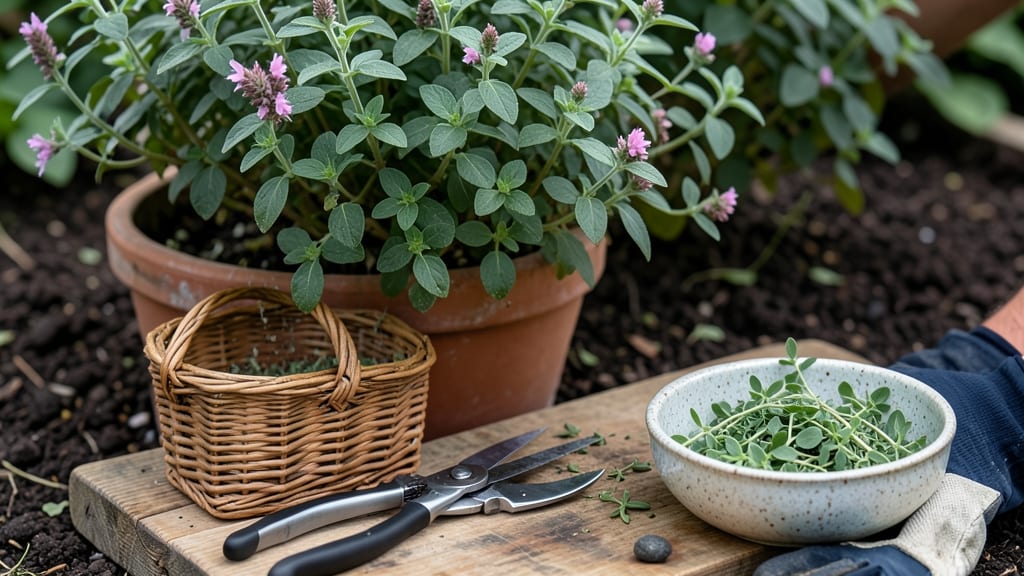
When and How to harvest oregano for maximum growth
Harvesting oregano at the right time ensures your plant stays bushy, flavorful, and productive for years. The key is timing—cut before flowering when the essential oils are at their peak. If you wait too long, your plant may become woody or leggy, reducing future harvests.
I’ve learned the hard way that over-pruning or cutting at the wrong stage can actually kill the plant by stressing it beyond recovery.
For maximum growth, focus on selective pruning rather than aggressive cutting. This encourages new growth while preserving the plant’s energy. Start harvesting once your oregano reaches 6-12 inches tall and has at least 4-6 sets of true leaves.
The leaves should be dark green and aromatic—this is your cue that the plant is ready. Waiting until it flowers? That’s a mistake—flowering shifts the plant’s energy from leaves to seeds, leaving you with bitter, less flavorful foliage.
Step-by-Step Guide to Harvesting Oregano Without Killing the Plant
- Step 1: Wait for the right time – Harvest when the plant is 6-12 inches tall and leaves are fully developed (avoid flowering stems).
- Step 2: Use clean, sharp pruners – Dull scissors can crush stems and invite disease. Sterilize tools with rubbing alcohol between uses.
- Step 3: Cut just above a leaf node – Never trim more than ⅓ of the plant at once. Aim for the top 3-4 inches of non-flowering stems.
- Step 4: Harvest in the morning – Leaves are most flavorful and hydrated after a night’s dew. Avoid harvesting after rain or late in the day.
- Step 5: Encourage bushiness – Pinch back new growth tips to promote branching. This keeps the plant compact and productive.
- Step 6: Revive leggy oregano – If your plant stretches too tall, prune aggressively (cut back to 4-6 inches) and move it to a sunnier spot.
When harvesting, always prioritize selective cutting over shearing entire branches. Oregano grows in clumps, so focus on the outer stems first. This allows the center to stay protected and continue producing new growth.
If you’re unsure where to cut, look for the leaf nodes—these are the points where new branches can sprout. Cutting just above a node ensures the plant can regenerate quickly.
One of my biggest mistakes was harvesting oregano too late in the season. By September or October, the plant starts preparing for winter, and cutting back then can weaken its roots. Instead, I now harvest through early fall but reduce the frequency as temperatures drop.
If you live in a warmer climate (USDA Zone 8+), you can extend harvests until November, but always stop before the first frost.
If your oregano becomes overgrown or leggy, don’t panic—it’s still salvageable! Start by pruning back ⅔ of the plant to encourage new, bushier growth. Move the pot to a sunnier location and reduce watering slightly to stress the plant just enough to trigger denser foliage.
Within a few weeks, you’ll see fresh, vibrant growth. This technique works especially well for potted oregano, which can become top-heavy and floppy without proper support.
For container-grown oregano, harvesting is slightly different. Since pots have limited space, avoid cutting more than 20-30% of the plant at a time. Over-pruning in containers can exhaust the roots quickly.
Instead, I harvest smaller amounts more frequently—every 2-3 weeks during peak growing season (June-August). This keeps the plant compact and manageable while still yielding plenty of leaves.
Proper harvesting also means storing cuttings correctly if you won’t use them immediately. Bundle stems with a rubber band and hang them upside down in a dark, dry place for 1-2 weeks to dry. Alternatively, spread leaves on a paper towel-lined tray in a single layer.
Once fully dried, store in an airtight container away from light. This preserves flavor and ensures you have fresh oregano all year without over-harvesting.
Remember, oregano is a perennial in many climates, meaning it can live for 5+ years with proper care. The key to long-term success is balance—harvest enough to enjoy fresh herbs, but never so much that you compromise the plant’s health.
By following these steps, your oregano will stay lush, aromatic, and productive for seasons to come. Happy harvesting! 🌿✂️
Common harvesting mistakes that kill oregano plants
Harvesting oregano incorrectly can turn your thriving herb into a leggy, weak plant that struggles to recover. The most common mistakes—like cutting too much at once or harvesting at the wrong time—often go unnoticed until it’s too late.
I’ve seen even experienced gardeners accidentally stunt their oregano’s growth by ignoring these subtle but critical signs.
One of the biggest culprits is over-pruning in a single session. Oregano may look resilient, but aggressive trimming removes too much foliage, leaving the plant vulnerable to stress.
Another frequent mistake is harvesting after flowering begins, which shifts the plant’s energy from leaf production to seed development, reducing future harvests.
⚠️ callout warning ⚠️
- Never remove more than 1/3 of the plant in one session—this prevents shock and ensures regrowth.
- Stop harvesting when buds form—flowering signals the plant to focus on seeds, not leaves.
- Use clean, sharp scissors—dull tools crush stems, inviting disease and stunting growth.
- Harvest in the morning after dew dries—oils are most potent, and leaves stay fresher longer.
Using the wrong harvesting tools is another silent killer. Dull scissors or your fingers can crush stems, creating entry points for bacteria and fungi. I always reach for bypass pruners or clean kitchen scissors to make precise cuts just above a leaf node—this encourages bushier growth and faster recovery.
Timing matters just as much as technique. If you wait until your oregano is fully woody or flowering, you’ll sacrifice flavor and future harvests. The ideal time is when the plant reaches 6-12 inches tall with at least 4-6 sets of true leaves.
This ensures you’re cutting from healthy, established growth without stressing the roots.
Even well-intentioned gardeners make the mistake of harvesting too frequently in early spring. Oregano needs time to establish its root system before you can safely prune. I recommend waiting until after the second set of true leaves appears—this gives the plant the energy to bounce back quickly.
Finally, ignoring post-harvest care can undo all your efforts. After harvesting, always water the base of the plant to reduce stress and apply a light layer of mulch to retain moisture. Avoid fertilizing immediately—let the plant recover for at least 2-3 days before adding nutrients.