
How To
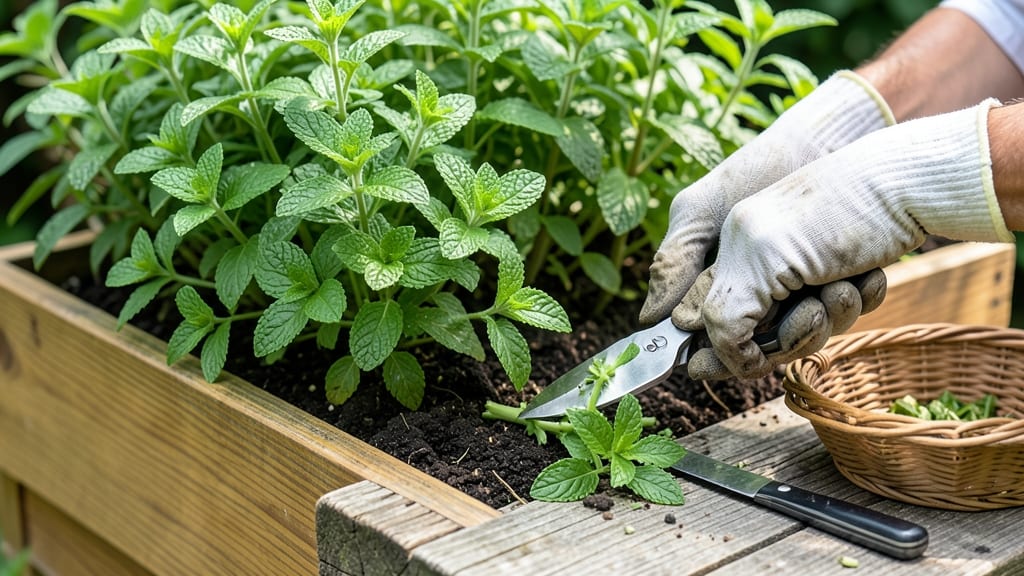
To harvest peppermint at its peak flavor and oil content, cut stems just above a leaf node when the plant is 6–12 inches tall and leaves are dark green 🌿.
Picture this: You’re about to make a fresh batch of mint tea, only to realize your peppermint’s flavor has faded because you harvested too early—or worse, at the wrong time of day.
The difference between a bold, aromatic harvest and a weak one comes down to timing, technique, and a little post-harvest care.
Peppermint thrives in USDA Zone 6a, where the growing season runs from spring through early fall. The best window to harvest is between July and September, when the plant is mature but still vigorous. Morning harvests yield the strongest flavor, as essential oils peak after a cool night.
In this guide, I’ll walk you through the exact steps—from choosing the right tools to drying and storing your harvest—so you can enjoy year-round peppermint without sacrificing the plant’s health or potency.

Best time to harvest peppermint for maximum flavor & oil content
Timing your peppermint harvest correctly ensures peak flavor and essential oil potency. The best time to harvest is when essential oils are most concentrated—typically in late morning after dew has evaporated but before the midday heat reduces oil content.
For seasonal harvests, aim for mid-to-late summer (July through September) when plants are mature and vigorous. This aligns with USDA Zone 6 growing conditions, where frost-free days are at their peak (165 days).
Avoid harvesting during extreme heat or cold snaps, as these stress the plant and dilute flavor.
Peppermint reaches its ideal maturity at 60-90 days after planting, when stems are 6-12 inches tall and leaves are dark green and glossy. Look for a strong minty aroma when crushing leaves—this confirms optimal oil content.
Morning harvests (between 8 AM and 10 AM) yield the strongest flavor because essential oils are most abundant after overnight cooling. Evening harvests (after 4 PM) can result in lower potency due to heat-induced oil degradation.
Never harvest when plants are wilted or stressed, as this reduces flavor quality and may harm regrowth. Avoid cutting back more than one-third of the plant at a time to prevent overharvesting, which weakens future yields.
Weather plays a critical role in harvest timing. Humid conditions can dilute essential oils, while dry, sunny days enhance flavor. If rain is forecast, harvest 24 hours before to allow leaves to dry naturally and retain maximum oil concentration.
First-year plants should be harvested lightly to encourage root establishment. In subsequent years, bushier growth allows for more frequent harvesting. Prune new growth regularly to maintain compact, flavorful plants.
| Harvest Factor | Optimal Condition | Why It Matters |
|---|---|---|
| Time of Day | 8 AM - 10 AM | Essential oils peak after dew evaporation |
| Season | July - September | Frost-free, high-sunlight period |
| Plant Maturity | 60-90 days | Stems 6-12 inches, dark green leaves |
| Weather | Dry, sunny days | Enhances oil concentration |
| Avoid Harvesting | After rain or heatwaves | Dilutes flavor and essential oils |
Harvesting flowering stems (if they appear) should be done early to redirect energy to leaf growth. Flowering reduces flavor intensity and can signal the plant’s end-of-season decline. Use clean, sharp scissors to make cuts just above a leaf node for faster regrowth.
If you miss the peak harvest window, don’t worry—peppermint regrows quickly. Simply trim back one-third of the plant every 4-6 weeks during the growing season to maintain continuous production of flavorful leaves.
For long-term flavor preservation, always harvest before flowering and avoid cutting into woody stems. This ensures juicy, aromatic leaves with maximum essential oil content for teas, culinary uses, or drying.
Step-by-step peppermint harvesting guide: tools, technique & post-harvest care
Harvesting peppermint correctly ensures you get the boldest flavor while keeping your plant healthy and productive. The key is precision—cutting at the right stem nodes, using the proper tools, and handling post-harvest care to preserve those essential oils that make peppermint so potent.
I’ve harvested peppermint for years, and the difference between a mediocre and an exceptional harvest comes down to these three factors: timing, technique, and care. Skip any of them, and you’ll end up with weak stems, faded flavor, or a plant that struggles to bounce back.
Let’s dive into the exact steps to get it right every time.
-
Step 1Choose the right tools: Use sharp pruning shears or clean scissors (never dull blades—they crush stems). Avoid your fingers to prevent bruising the plant.
-
Step 2Harvest in the morning: Cut stems just above a leaf node (the point where leaves grow) between 8 AM and 10 AM for the highest essential oil concentration.
-
Step 3Select mature stems: Choose stems that are 6–12 inches tall with dark green, glossy leaves. Avoid harvesting more than one-third of the plant at once.
-
Step 4Dry your harvest: Bundle stems and hang upside-down in a dark, dry, well-ventilated space (like a closet) for 1–2 weeks. Alternatively, use a dehydrator at 95°F (35°C) for 2–4 hours.
-
Step 5Store properly: Keep dried peppermint in an airtight container away from light and moisture. Label with the harvest date—freshly dried peppermint retains flavor for 6–12 months.
One common mistake I see is harvesting peppermint afternoon or evening, when essential oils are less concentrated. Another is using dull tools, which crush stems and invite disease. Always sterilize your blades with rubbing alcohol before and after harvesting to prevent bacterial spread.
After harvesting, give your peppermint plant a light drink of water and a balanced fertilizer (like 5-10-5) to encourage regrowth. Avoid heavy feeding immediately post-harvest, as this can stress the plant. With proper care, your peppermint will bounce back within 3–4 weeks and produce even more flavorful leaves.
Pro tip: If your peppermint starts to flop or sprawl, it’s time to prune back by half to encourage bushier growth. This also prevents the plant from becoming woody or leggy, which dulls flavor over time.