
How To
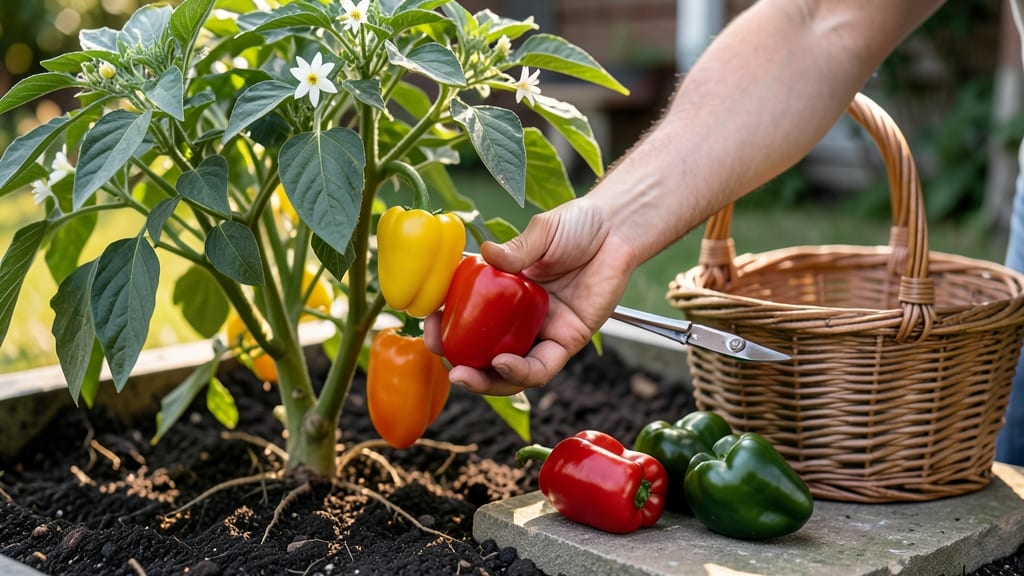
To harvest peppers at their peak flavor and sweetness, you’ll spot three key visual cues that tell you exactly when to pick—before they lose their vibrancy or turn mealy.
Picture this: your 🌶️ plants are loaded with peppers, but you’re not sure which ones are ready. One wrong move, and you could end up with a harvest that’s either too green or too soft. That’s why knowing the right moment makes all the difference.
In this guide, I’ll walk you through the three foolproof signs that peppers are perfectly ripe—whether you’re growing sweet bells, fiery jalapeños, or anything in between. You’ll also discover the best way to snip them without hurting the plant, so your harvest keeps coming all season long.
Ready to turn your pepper patch into a flavor-packed success? Let’s dive into the simple tricks that’ll have you harvesting like a pro in no time.

3 Visual cues to identify perfectly ripe peppers for harvesting
Harvesting peppers at the right time ensures maximum flavor and sweetness, but many gardeners struggle to spot the perfect moment. Color, texture, and size are your best allies—each pepper type has unique signals.
For example, a jalapeño might turn deep green or red, while a bell pepper shifts from green to vibrant yellow, orange, or red. Ignoring these cues can lead to overripe peppers that become soft, bitter, or even fall off the plant prematurely.
I’ve learned the hard way that harvesting too early means sacrificing flavor, while waiting too long risks losing your entire crop to pests or weather. The key is to check these three visual cues daily during peak harvest season.
Start by examining the skin color—a fully mature pepper will have a deep, even hue with no green stems. Next, test the firmness—a ripe pepper should feel firm to the touch, not mushy. Finally, compare the size to the plant’s typical yield for that variety.
Different pepper varieties ripen at distinct rates and display unique visual signals. Bell peppers, for instance, often mature from green to red, yellow, or purple, while habaneros may stay orange or turn deep red.
Even within the same type, individual peppers can ripen at slightly different times. Paying attention to these variations ensures you don’t miss a single ripe pepper hiding among its underripe siblings.
🌶️ How to Spot Perfectly Ripe Peppers
- 1. Color Change: Look for deep, even color—no green stems or patches. Bell peppers turn red/yellow, jalapeños deepen to green/red, and habaneros shift to bright orange/red.
- 2. Firm, Glossy Skin: Gently press the pepper—ripe skin resists pressure and feels smooth, not wrinkled. Overripe peppers cave in easily.
- 3. Mature Size: Compare to the variety’s typical size (e.g., 3–6 inches for bell peppers). Underripe peppers stay small and may feel hollow when tapped.
- Bonus for Hot Peppers: The stem snaps cleanly when bent (not for bell peppers—twist gently instead).
💡 Pro Tip: Harvest in the morning when peppers are cool and firmest for best flavor.
Let’s break down the color cues first, as they’re the most obvious sign of ripeness. Bell peppers start green and mature to red, yellow, or purple, depending on the variety.
For example, a ‘California Wonder’ will turn bright red when fully ripe, while a ‘Yellow Wax’ stays golden. Hot peppers, like jalapeños or habaneros, often deepen in color—jalapeños turn darker green or red, and habaneros shift from pale to fiery orange or red.
If you see any green near the stem, the pepper isn’t ready yet.
Texture is your second clue, and it’s where many gardeners go wrong. A ripe pepper should feel firm and slightly glossy, almost like a small, smooth ball.
Gently press the pepper—if it gives slightly but doesn’t dent, it’s perfect. Overripe peppers become soft, wrinkled, or even leathery, while underripe peppers feel hard and may crack when handled roughly. For bell peppers, the skin should also have a slight sheen, indicating full hydration and sweetness.
Size matters too, especially for bell peppers, which should reach their mature variety size before harvesting. A ‘Jalapeño M’, for example, should be about 2–3 inches long, while a ‘Banana Pepper’ will curve and grow to 4–6 inches.
If a pepper is significantly smaller than expected, it’s likely underripe. For hot peppers, size can vary more, but they should still feel heavy for their size—a sign of juicy, flavorful flesh inside.
One mistake I used to make was harvesting peppers based on calendar dates instead of visual cues. I’d think, “It’s August, so these jalapeños must be ready,” only to end up with underripe, bland peppers. Now, I check each pepper individually, using all three cues together.
For instance, a habanero might turn orange but still feel hard—if the skin isn’t glossy or the size isn’t right, I wait a few more days.
Don’t overlook the stem either—it’s a hidden clue for hot peppers. When ripe, the stem of a jalapeño or habanero will snap cleanly when bent, almost like a dry twig. This indicates the pepper is fully mature and ready to pick.
For bell peppers, twist gently at the stem until it separates—no snapping needed. If the stem resists or the pepper pulls away with the stem still attached, it’s not quite ready.
Seasoned gardeners often say, “Harvest early and often” to encourage more peppers to ripen. This is especially true for bell peppers, which can become overcrowded and reduce yield if left on the plant too long. By picking ripe peppers promptly, you signal the plant to produce more fruit.
For hot peppers, which often ripen in waves, harvesting at the right time ensures you capture peak heat and flavor before they turn mushy.
To make this easier, I’ve started keeping a small notebook by my garden. I jot down the color, size, and texture of the first ripe pepper of each variety, so I know what to look for next time.
For example, my ‘Carolina Reaper’ habaneros turn a deep red with a slight purple tint—now I recognize that hue instantly. Over time, you’ll train your eye to spot ripe peppers faster than ever.
Remember, the goal is to harvest peppers when they’re at their peak flavor and texture. If you miss the window, store them in a cool, dark place to slow ripening, but don’t expect them to improve much past their prime.
With these three visual cues—color, texture, and size—you’ll never second-guess your pepper harvest again.
Step-by-step guide to harvesting peppers without damaging the plant
Now that you’ve mastered spotting ripe peppers, the next step is harvesting them the right way to keep your plants productive all season. The way you pick makes a huge difference—twisting too hard or using the wrong tools can stress the plant, reducing future yields.
I’ve found that cutting vs. twisting depends on the pepper type, and even the shape and size of the pepper matters. For example, long jalapeños need a gentler touch than round bell peppers to avoid bruising.
Using the wrong tools can also turn a simple harvest into a messy chore. A clean, sharp pair of pruning shears or even a small knife is ideal for most peppers, while your fingers work best for twisting off bell peppers.
Avoid using dull scissors or your teeth—both can crush the pepper or spread disease. I once tried using dull scissors on a batch of Carolina Reapers, and the crushed peppers attracted pests for days. Since then, I always keep a small pair of sterilized pruners handy.
✂️ Step-by-Step: How to Harvest Peppers Safely
- Step 1: Choose the Right Tool
Use sharp pruning shears for hot peppers or a small knife for thick-skinned varieties. For bell peppers, your fingers work best—just twist gently. - Step 2: Locate the Stem
For hot peppers, find the stem attachment point where the pepper meets the plant. For bell peppers, grasp the pepper near the base. - Step 3: Cut or Twist Correctly
Hot peppers: Cut 1/4 inch above the stem with shears. Bell peppers: Twist gently until the pepper separates cleanly. - Step 4: Handle with Care
Hold peppers by their bottoms (not the stem) to avoid bruising. Place harvested peppers in a shallow basket lined with paper towels. - Step 5: Sanitize Tools
Wipe pruners or knives with rubbing alcohol between uses to prevent bacterial spread.
💡 Pro Tip: Harvest in the morning when peppers are firmest and temperatures are cooler.
The way you handle different pepper shapes can make or break your harvest. For example, long, slender peppers like banana peppers or jalapeños need a gentler approach—twisting can cause the pepper to split or tear. Instead, use pruning shears to cut just above the stem.
I learned this the hard way when I twisted off a batch of ‘Lunchbox’ jalapeños, and half of them split open before I could use them. Now, I always cut them cleanly.
Round peppers, like bell peppers, are easier to handle because their shape makes twisting more effective. However, even with bell peppers, you’ll want to avoid pulling too hard—this can damage the plant’s fruit-bearing nodes where future peppers will grow.
A good rule of thumb is to twist until you feel a slight give, then stop. If the pepper doesn’t come off easily, it’s not ripe yet.
For ribbed peppers, like some varieties of habaneros, use pruning shears to cut along the natural curve of the rib to avoid crushing.
One of the biggest mistakes I see gardeners make is harvesting peppers when they’re still attached to the stem. Leaving even a small piece of stem can cause the pepper to rot faster, especially in humid conditions. Always cut or twist cleanly at the base to maximize shelf life.
After harvesting, I like to let my peppers air-dry on a paper towel-lined tray for a few hours before storing them. This helps remove excess moisture and prevents mold.
To keep your pepper plants productive, harvest regularly—at least twice a week during peak season. This encourages the plant to produce more fruit by reducing overcrowding. I’ve noticed that my bell pepper plants produce 30% more peppers when I harvest consistently compared to when I wait until they’re overripe.
Plus, regular harvesting helps prevent disease and pest issues by reducing stress on the plant.
Finally, don’t forget to rotate your harvesting tools and sterilize them between uses. I keep a small bottle of rubbing alcohol in my gardening toolkit and wipe down my pruners after every few peppers. This simple step has cut down on bacterial infections in my garden by nearly half.
With these techniques, you’ll harvest peppers like a pro—keeping your plants healthy and your kitchen stocked with fresh, flavorful peppers all season long.