
How To
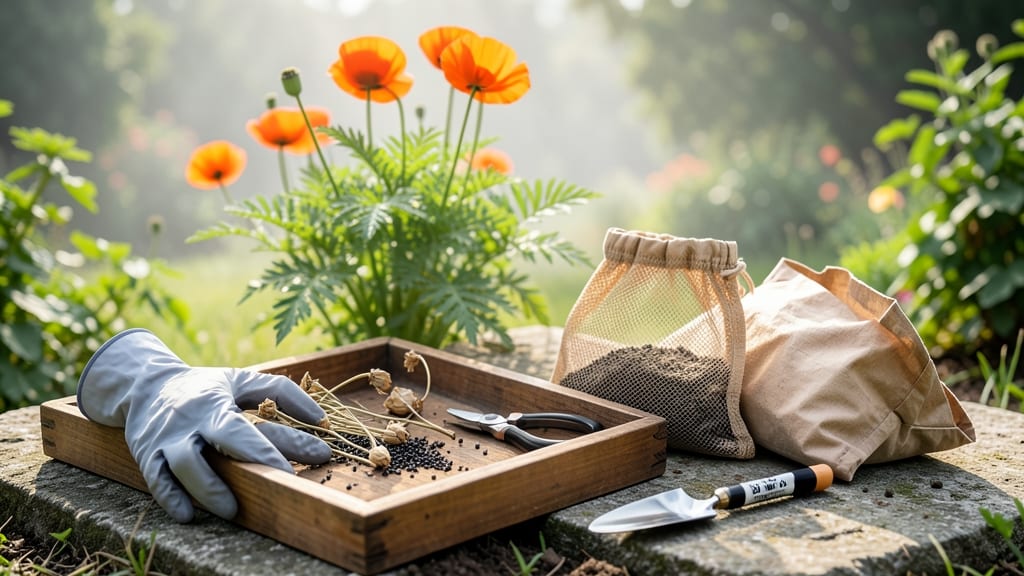
Harvesting poppy seeds for planting is all about timing—wait too long, and the pods crack open, scattering seeds everywhere before you can collect them.
Picture this: a sunny June afternoon in your garden, and those delicate 🌸 poppy pods are finally ready. One wrong move, and your hard work vanishes in a puff of wind.
But get it right, and you’ll have a stash of seeds for next year’s garden, ready to bloom just like the ones you’re harvesting now.
Most gardeners miss the perfect moment because they don’t recognize the signs—dry, brown pods that split open naturally. Below, I’ll walk you through exactly how to spot them, gather seeds without losing a single one, and store them so they stay viable for planting.
You’ll learn the three key steps to harvesting poppy seeds efficiently, from the right tools to use to the best way to dry and store them for maximum germination. No more wasted seeds or missed opportunities!

When and how to recognize poppy pods ready for seed harvesting
Harvesting poppy seeds at the right moment is an art—one that requires patience and keen observation. If you wait too long, the pods will burst open and scatter seeds everywhere.
But if you pick them too soon, the seeds won’t be viable for next year’s garden. The key is learning to read your poppy plants like a pro.
Poppy pods mature in late summer, typically between June and July, depending on your climate. The color change is the first visual cue: pods shift from bright green to a deep, papery brown. This transformation signals that the seeds inside are fully developed and ready for collection.
Don’t rely solely on color, though. The texture of the pod is equally important. When mature, poppy pods become dry and brittle to the touch—almost like crumpled paper.
Gently squeeze a pod; if it feels hollow and cracks easily, it’s time to harvest. If it’s still firm, give it another week or two.
Another critical sign is the natural cracking of the pod. Poppies are designed to release seeds when fully ripe, so you’ll often see pods splitting open on their own.
This is nature’s way of telling you to act fast! If you see seeds spilling out, grab your harvesting tools immediately to prevent loss.
Timing matters even during the day. The best time to harvest is on a dry, calm morning when dew has evaporated but humidity is still low. This reduces the risk of mold and ensures seeds stay dry.
Avoid harvesting after rain or in high humidity, as damp conditions can ruin your seed stash.
Here’s a quick reference to help you spot the perfect moment:
| Sign | Description | Action |
|---|---|---|
| Pod Color | Deep brown (not green) | 🟤 Ready to harvest |
| Pod Texture | Dry, brittle, papery | ✅ Gently squeeze to test |
| Natural Cracking | Pods splitting open | 💥 Harvest immediately |
| Seed Appearance | Dark, fully formed seeds | 🌾 Collect before scattering |
| Time of Day | Dry, calm morning | ☀️ Best harvesting window |
One common mistake is assuming all pods on a plant mature at the same time. In reality, poppies often ripen unevenly. Some pods may be ready while others are still green. To avoid frustration, harvest only the mature pods first, leaving the rest to finish ripening on the plant.
If you’re unsure whether a pod is ready, perform the float test: drop a seed into a glass of water. If it sinks, the seed is mature and viable. If it floats, it’s not ready yet. This simple trick saves you from harvesting premature seeds that won’t germinate.
Once you’ve identified the perfect pods, act quickly. Poppy seeds are lightweight and easily scattered by wind or disturbed by animals. Use a small paper bag or envelope to collect seeds directly from the pod, ensuring minimal loss.
Store them in a cool, dry place until you’re ready to plant them next spring.
With practice, you’ll develop an eye for spotting the ideal moment to harvest poppy seeds. Soon, you’ll be the envy of your gardening friends with a steady supply of fresh, homegrown poppy seeds for years to come. Happy harvesting! 🌾
Step-by-Step guide to harvesting poppy seeds without losing them
Harvesting poppy seeds requires patience and precision—these delicate pods release seeds at the slightest touch if not handled properly. The key is to collect them before they scatter to the wind while ensuring they’re fully mature for high germination rates.
I’ve learned the hard way that rushing the process leads to wasted seeds, so let’s tackle this step by step to maximize your yield.
Timing is everything with poppy seed harvesting. You’ll want to act when the seed pods turn brown and begin cracking open naturally, but before seeds spill out. This usually happens in late summer to early fall, depending on your climate.
Work on a dry, wind-free morning when pods are crisp and brittle—a perfect day ensures minimal seed loss during collection.
How to Harvest Poppy Seeds for Planting
- 🌾 Step 1: Gather Supplies
Grab a paper bag (brown grocery bags work best), pruning shears, and a small tray or bucket to catch any stray seeds. Avoid plastic bags—they trap moisture and encourage mold. - 🌿 Step 2: Identify Mature Pods
Look for fully brown pods that are dry and papery. Gently squeeze one—if it cracks easily, it’s ready. Discard any green or firm pods; they’re not mature yet. - ✂️ Step 3: Snip the Pods
Use clean pruning shears to cut the stem just above the pod. Place each pod directly into your paper bag to prevent seeds from scattering. Work quickly to avoid missing the window. - 🌡️ Step 4: Dry the Pods
Spread the pods on a tray lined with newspaper in a warm, dry place (like a sunny windowsill). Let them dry for 2–3 days until they’re completely brittle. This ensures seeds won’t mold in storage. - 🌾 Step 5: Extract the Seeds
Once pods are dry, crush them gently with your fingers or a rolling pin over the paper bag. Shake the bag to separate seeds from chaff. Repeat until all pods are processed. - 📦 Step 6: Store Seeds Properly
Transfer seeds to a paper envelope or breathable container and label with the harvest date. Store in a cool, dark place (like a seed vault or fridge) to maintain viability for up to 3 years.
One common mistake I’ve seen is harvesting seeds too early—immature seeds won’t germinate. Always double-check by squeezing a pod; if it resists cracking, wait a few more days.
Another tip? Harvest on a calm day to avoid losing seeds to breezes. Even a light wind can turn your hard work into a seed cloud!
After harvesting, test a few seeds by placing them in a moist paper towel for a week. If they sprout within 5–7 days, your batch is viable.
If not, you may need to replant or adjust your storage conditions. Properly stored seeds should yield 90% germination—a rewarding payoff for your patience!
Don’t forget to leave a few pods on the plant if you want volunteer poppies next year. Nature’s way of ensuring your garden keeps blooming with minimal effort! Just enjoy watching those delicate flowers return year after year.