
How To
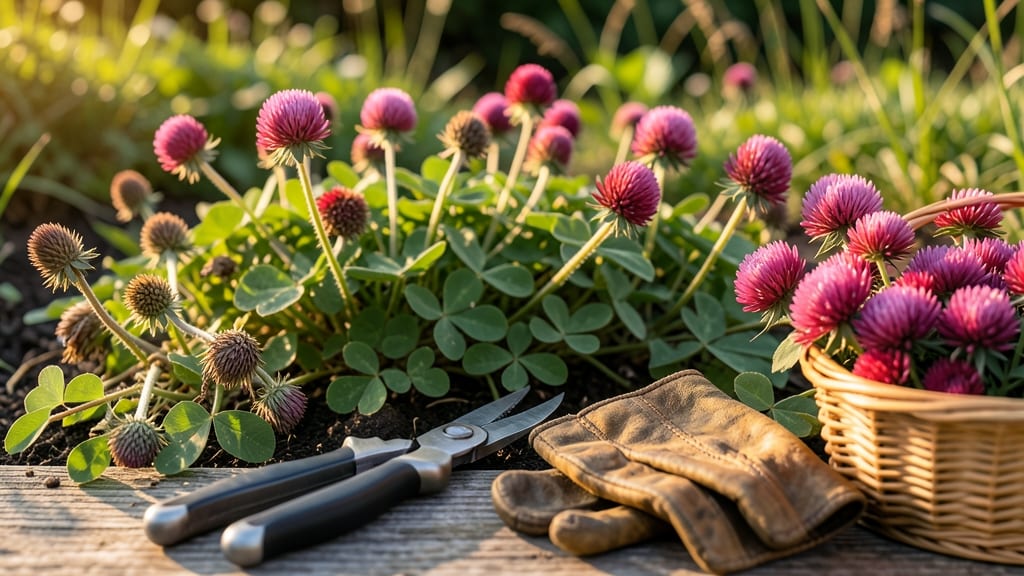
To harvest red clover at its peak nutritional value, time it when the flowers are fully open but before seed heads form — a window that lasts just 2-3 weeks in late spring.
Red clover isn’t just a pretty purple bloom—it’s a powerhouse of nutrition for livestock, pollinators, and even your soil. But timing your harvest wrong means missing out on peak protein, fiber, and medicinal benefits.
You’ll learn the exact moment to harvest for maximum yield and quality, plus the tools and techniques that make the job easier—whether you’re cutting for forage or saving seeds for next year.
From recognizing the 3 clear signs your field is ready to common mistakes that waste your crop, this guide covers everything you need to turn your red clover into a high-value harvest.


3 Clear signs your red clover field is ready for harvest
Harvesting red clover at the right time ensures you capture its peak protein content and nutritional value for livestock, pollinators, or even your garden soil. Miss this window, and you risk lower yields or seed loss.
The key lies in watching for three visual and physical cues that signal readiness.
First, understand that red clover has two main harvest goals: forage production (cutting leaves and stems) and seed collection. Each requires slightly different timing. For forage, you want lush, leafy growth before flowering.
For seeds, you’ll wait until flower blooms fade but haven’t fully dried. Let’s break down the exact signs to watch for.
🌸 3 Key Signs Your Red Clover Is Ready for Harvest
-
1. Flowers Are Fully Open and Vibrant
Look for bright red or pink blooms that are fully unfurled, not just budding. For forage, harvest when 20-30% of flowers are open. For seeds, wait until most flowers have bloomed but haven’t yet turned brown. -
2. Seed Heads Are Visible (For Seed Harvest Only)
If collecting seeds, check for small green seed pods forming at the base of blooms. Harvest when 50-70% of pods are green but before they turn brown. Overripe seeds scatter easily, wasting your crop. -
3. Stems Are Firm and Upright (18-24 Inches Tall)
Ready plants stand straight and sturdy, not flopping or leaning. For forage, aim for 12-18 inches. For seeds, wait until 20-24 inches tall. Weak stems mean poor yield and harder cutting.
Pro Tip: In cooler climates (Zones 3-5), harvest 2-3 weeks earlier than in warmer zones (Zones 7-9) due to slower growth.
Regional climate plays a surprisingly big role in harvest timing. In northern states, red clover often matures 2-3 weeks later than in southern regions due to cooler temperatures.
For example, in Zone 5, aim for harvest in late May to early June, while in Zone 8, you might harvest as early as mid-April.
Another critical factor is rainfall before harvest. If your field receives heavy rain 24-48 hours before cutting, wait 3-5 days to let moisture evaporate. Wet clover sticks together, making baling difficult and increasing mold risk during storage. Always check the weather forecast before scheduling your harvest.
For forage harvests, prioritize cutting in the morning when dew is present. This helps lock in maximum moisture and nutrient content. Use a sharp mower blade set to 3-4 inches tall to encourage regrowth.
If you’re hand-cutting with a scythe, work when stems are dry but not brittle—usually late morning.
If you’re harvesting for seeds, time your collection carefully. The optimal window is when seed pods turn light brown but haven’t yet cracked open. Use a seed thresher or gently rub pods between your hands to release seeds.
Spread them on a clean tarp in a dry, shaded area to dry for 3-5 days before storing in airtight containers.
One common mistake is harvesting too late for forage, which leads to woody stems and lower palatability for livestock. For seeds, waiting too long causes pods to shatter, scattering seeds across your field. Always scout your field weekly starting in late spring to catch the perfect moment.
Remember, red clover is a self-regenerating plant. If you harvest correctly, it’ll rebloom 2-3 times per season, giving you multiple chances for forage or seeds. But each harvest must align with these three key signs to maximize your yield and avoid wasting your hard work.
Best harvesting methods for forage vs. seed production
Harvesting red clover for forage or seed production requires different techniques to maximize yield. For forage, you want leafy growth packed with protein, while seed harvest focuses on dried flower heads for next year’s planting. The right method depends on your goals and field size.
For small gardens, a hand scythe or string trimmer works perfectly for precise cuts. Larger fields benefit from a mower set high to avoid damaging regrowth. Timing is everything—harvest forage before flowering begins to preserve leaf quality, while seed harvest waits until flower heads turn brown but before they shatter.
The key difference lies in cutting height and post-harvest handling. Forage should be cut at 3-4 inches tall to encourage regrowth, while seed heads need full drying on stalks or in bundles before threshing. Let’s break down the best approaches for each.
When harvesting for forage, use a mower set high to leave stubble for regrowth. For seed production, cut entire stalks when 70% of flower heads have turned brown but before seeds scatter. Bundle stalks and hang upside down in a well-ventilated area to dry completely.
For small-scale operations, a hand scythe or pruning shears work well, while larger fields require a hay mower or scythe for efficiency. Always harvest on dry mornings to prevent mold and ensure even drying.
Store seeds in paper bags or airtight containers in a cool, dark place for up to 3 years.
Remember: Overharvesting weakens plants and reduces future yields. Leave 20-30% of stems uncut to maintain soil health and encourage regrowth. With the right techniques, you’ll harvest high-quality forage and viable seeds season after season.