
How To
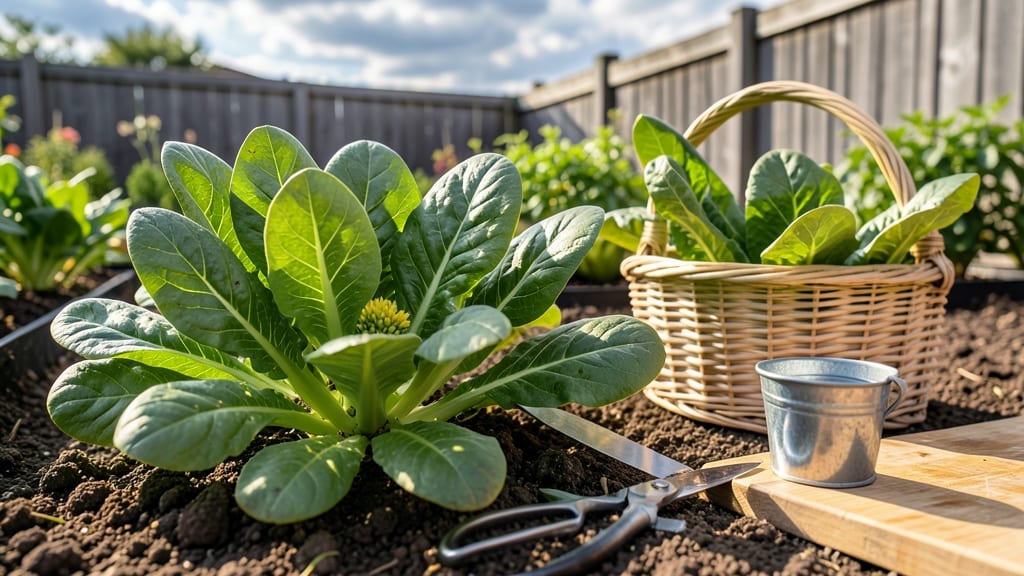
Harvesting romaine lettuce from your garden at the right time ensures crisp, flavorful leaves without the bitterness of overgrowth or the disappointment of bolting.
Nothing beats the crisp, fresh taste of homegrown romaine 🥬 — but timing your harvest wrong means bitter leaves or bolted stems. Master the stem snap test and other pro techniques to pick perfect heads while keeping your garden productive for weeks.
You don’t need a green thumb to know when romaine is ready — just look for firm, dark green leaves about 6-8 inches long. The key is cutting at the base without damaging the roots, so the plant keeps growing for multiple harvests.
In this guide, I’ll walk you through the exact steps to test for readiness, the best tools to use, and how to store your harvest so it stays fresh longer. Avoid common mistakes that waste your hard work and get every bite of flavor from your garden.

When and how to test romaine lettuce for perfect harvest timing
Harvesting romaine lettuce at the right moment transforms your garden into a crisp, flavorful salad source—but timing is everything. If you pick too early, you’ll get small, underdeveloped leaves.
Too late, and you’ll end up with bitter, bolted plants. The key lies in mastering the stem snap test and recognizing visual maturity cues.
Romaine lettuce typically reaches harvest readiness between 30 to 50 days after sowing, depending on your climate and variety. In cooler regions like USDA Zone 6a, aim for early spring or fall harvests to avoid the heat that triggers bolting.
For year-round gardens, adjust planting times to align with seasonal temperature shifts.
Here’s how to test your romaine lettuce for perfect harvest timing using the stem snap test and other key indicators:
| Test Method | What to Look For | Action to Take |
|---|---|---|
| Stem Snap Test | Grasp a leaf stem near the base and bend it gently. If it snaps cleanly, it’s ready. | Harvest immediately for optimal crispness. |
| Leaf Size | Leaves should be 6-8 inches long and fully unfurled. | Cut outer leaves first to encourage regrowth. |
| Leaf Firmness | Leaves should feel crisp and firm, not soft or wilted. | Harvest when leaves are at peak firmness to avoid bitterness. |
| Color | Dark, vibrant green leaves with no yellowing. | Harvest before color fades or yellowing appears. |
| Stem Thickness | Stems should be thick and sturdy, not thin or hollow. | Harvest when stems are fully developed for best flavor. |
Seasonal adjustments are crucial for year-round harvests. In spring, romaine lettuce grows quickly in cooler weather, so monitor plants closely after 30 days. During summer heat, lettuce may bolt prematurely—harvest as soon as leaves reach 4-5 inches to avoid bitterness.
For fall harvests, plant succession crops every 2-3 weeks starting in late summer. This staggered approach ensures a continuous supply of fresh romaine. In winter, protect plants with row covers or cold frames to extend the harvest season.
Watch for signs of bolting, where the plant sends up a tall flower stalk. This happens when romaine experiences heat stress or long daylight hours. If you notice the plant elongating or developing a flower bud, harvest immediately—even if the leaves are small—to salvage what you can.
Pro tip: Use a sharp knife or clean shears to cut romaine at the base, leaving 1-2 inches of stem to encourage regrowth. Avoid pulling leaves, as this can damage the root system. After harvesting, water the base thoroughly to support new growth.
With the right timing and techniques, you’ll enjoy crisp, flavorful romaine lettuce for weeks—without the disappointment of bitter or bolted plants. Happy harvesting! 🥬
Step-by-step harvesting techniques to preserve lettuce growth
Harvesting romaine lettuce correctly is the secret to crisp, flavorful leaves and a plant that keeps producing for weeks. The key lies in gentle cutting techniques that protect the plant’s roots while maximizing regrowth potential.
Unlike other greens, romaine thrives when you harvest outer leaves first, leaving the inner core intact to grow larger. I’ve found that using the right tools and timing makes all the difference between a single harvest and a continuous supply.
Start by gathering your tools: sharp pruning shears or clean kitchen scissors work best to avoid crushing stems. Dull blades tear leaves and stress the plant, leading to bitterness or bolting. I always sanitize my tools with rubbing alcohol before cutting to prevent disease spread.
The right technique ensures your romaine stays productive while maintaining its signature crisp texture that makes it perfect for salads and wraps.
How to Harvest Romaine Lettuce from Garden
- Step 1: Choose the Right Leaves – Select the outer 3-4 largest leaves that are 6-8 inches long and fully mature. Avoid cutting into the inner heart unless harvesting the entire head.
- Step 2: Use the Proper Cutting Angle – Hold the shears at a 45-degree angle, cutting just above a leaf node (where new growth emerges). This encourages regrowth from the base.
- Step 3: Trim Stems Carefully – For whole heads, cut the main stem 1-2 inches above soil level using a clean, sharp blade. Leave the root system intact to support future growth.
- Step 4: Rinse and Store Immediately – Gently rinse harvested leaves under cool water to remove dirt, then pat dry with a clean towel. Store in a plastic bag with paper towels in the fridge for up to 5 days.
- Step 5: Post-Harvest Care – Water the soil deeply after harvesting to replenish moisture. Apply a light mulch layer to retain humidity and prevent soil crusting, which can stress roots.
After harvesting, romaine lettuce often surprises gardeners by producing new leaves from the base. To maximize regrowth, I always water thoroughly within 24 hours and provide partial shade during hot afternoons. Avoid fertilizing immediately after cutting—wait 5-7 days to let the plant recover before applying a balanced 10-10-10 fertilizer.
This approach keeps my romaine plants yielding for 6-8 weeks after the initial harvest.
One common mistake I see is over-harvesting the center. If you cut too deeply into the heart, the plant may struggle to recover or bolt prematurely. Instead, focus on outer leaves and let the inner core mature.
For baby romaine, you can even harvest individual leaves every few days without damaging the plant. This method works especially well in containers or small gardens where space is limited.
For whole-head harvesting, wait until the romaine reaches 12-18 inches tall with a fully formed core. Use a serrated knife to slice the stem cleanly, leaving a 1-inch stub. This technique ensures the plant can regrow smaller leaves, though the quality may not match the initial harvest.
I’ve found that fall-planted romaine often produces a second, smaller head if given proper care after the first cut.
Remember, the time of day matters too. Harvest in the early morning when leaves are crisp and hydrated. Avoid cutting in peak afternoon heat, as this can cause wilting.
With these techniques, my romaine lettuce has stayed productive for nearly 3 months in a single growing season—far longer than I expected when I first started gardening.