
How To
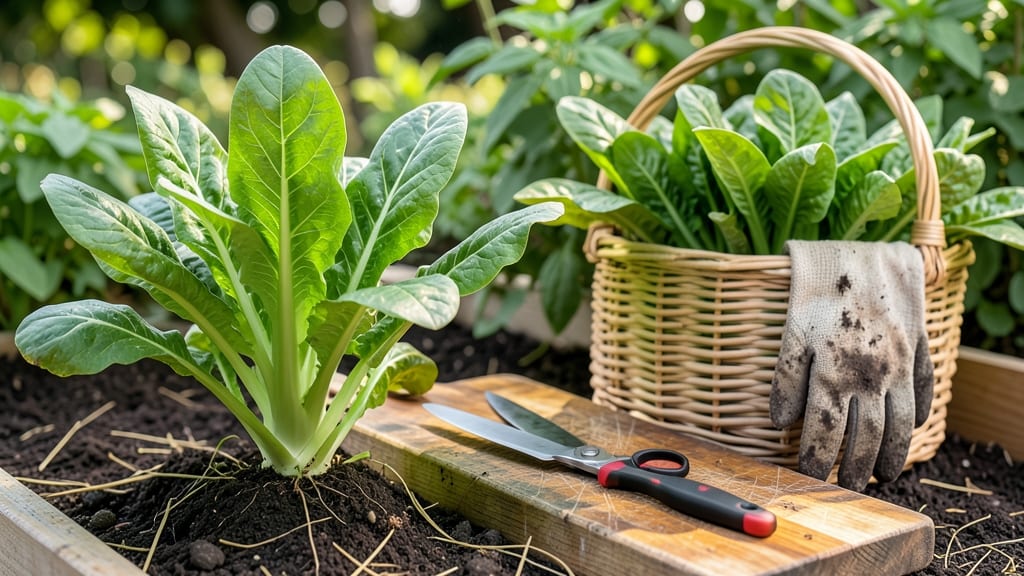
To harvest romaine 🥬 at its peak—crisp, flavorful, and ready for regrowth—you’ll want to time it right and use the right technique.
Picture this: you’ve nurtured your romaine for weeks, only to pull a leaf that’s still tough or bitter. That’s a classic sign of harvesting too early—or too late. The key is catching those deep green, upright leaves when the stems snap cleanly with a gentle bend, not a struggle.
Why does timing matter? Romaine lettuce is a cut-and-come-again crop, meaning you can harvest multiple times from the same plant if you do it correctly. But get it wrong, and you’ll either waste flavor or stunt future growth.
Below, I’ll walk you through the exact moment to harvest, the tools you’ll need, and how to keep your plants producing for weeks.
You’ll also discover how to avoid common mistakes—like cutting too close to the base—that can leave your romaine looking ragged or forcing it to bolt too soon. Let’s get started.

When to harvest romaine lettuce: the stem snap test and ideal size guide
Romaine lettuce reaches its peak flavor and texture when harvested at the right moment—typically between 45 and 75 days after planting. The stem snap test is my go-to method to determine perfect ripeness, but it’s not the only clue.
You’ll also want to check leaf size, color, and firmness to ensure you’re harvesting at the ideal stage. Timing is everything because harvesting too early means tough, bitter leaves, while waiting too long risks bolting (flowering), which turns your crisp romaine into a woody, inedible mess.
For the best results, aim to harvest when leaves reach 6 to 12 inches in length and form tight, upright heads. The outer leaves should be deep green and crisp, while the inner leaves remain tender.
If you miss this window, your lettuce may develop a bitter taste or send up a flower stalk, signaling it’s past its prime. Let’s break down the exact signs to watch for and how to use the stem snap test like a pro.
| Maturity Stage | Leaf Size | Stem Snap Test | Color & Texture | Action |
|---|---|---|---|---|
| Early (Not Ready) | 3-5 inches | Stems bend but don’t snap | Pale green, soft, sparse | Wait 1-2 weeks |
| Ideal (Ready) | 6-12 inches | Stems snap cleanly with gentle bend | Deep green, crisp, upright | Harvest outer leaves |
| Late (Overripe) | 12+ inches | Stems tough, no snap | Bitter, woody, or bolting | Harvest entire plant |
The stem snap test is your secret weapon for perfect romaine. Hold a leaf near the base and gently bend it downward. If it snaps cleanly with a slight resistance, your lettuce is ready to harvest.
This test works because crisp romaine stems contain high moisture and fiber content, which makes them snap easily when mature. If the stem bends without snapping, your lettuce needs more time to develop. Conversely, if it feels tough or fibrous, you’ve waited too long.
Leaf size is another critical indicator. Aim for 6 to 12 inches in length for the outer leaves, as this is when they’re at their sweetest and most tender. The inner leaves should still be young and pliable, ensuring you can continue harvesting from the same plant.
If your romaine heads are forming loosely or the leaves are curling at the edges, it’s a sign of stress—likely from heat or drought—and you may need to adjust your care routine.
Color plays a role too. Mature romaine should be a deep, vibrant green without yellowing or browning. Pale or uneven coloring can indicate nutrient deficiencies or inconsistent watering. For example, yellowing between leaf veins often signals a nitrogen deficiency, while brown edges suggest underwatering.
Always check the soil moisture before assuming your lettuce is ready—dry soil can trick you into thinking the plant is mature when it’s actually struggling.
Watch for bolting, which happens when romaine sends up a tall flower stalk. This typically occurs due to heat stress, day length changes, or age. Once bolting starts, the leaves become bitter and tough, making them unfit for eating.
To prevent bolting, plant romaine in early spring or late summer when temperatures are cooler, and avoid letting the soil dry out completely. If you’re in a hot climate, consider providing afternoon shade to keep your lettuce happy and productive.
For a continuous harvest, focus on cut-and-come-again methods. Instead of pulling the entire plant, snip the outer leaves just above the base using clean, sharp scissors or a knife. This encourages the inner leaves to grow larger and replaces what you’ve harvested.
Always leave at least 2-3 inches of growth at the base to keep the plant healthy. If you harvest too close to the soil, you risk damaging the crown and stunting future growth.
Timing your harvest also depends on the time of day. Early morning is ideal because the leaves are fully hydrated and crispest. Avoid harvesting in the heat of the day, as the lettuce can wilt quickly and lose its snap.
If you must harvest later, store the lettuce in a cool, shaded place until you’re ready to use it. Pro tip: Place harvested romaine in a bowl of ice water for 10 minutes before storing to revive crispness and extend shelf life.
Finally, don’t ignore the weather. Harvesting after a light rain can make the leaves slippery and harder to handle, while harvesting during extreme heat can cause the lettuce to bolt prematurely. Aim for mild, overcast days when possible.
If you’re unsure whether your romaine is ready, err on the side of caution—it’s better to wait a few days than to harvest too early and end up with bitter, tough leaves that ruin your salad.
With these tips, you’ll master the art of harvesting romaine at its peak. The key is paying attention to the stem snap test, leaf size, color, and overall plant health. Once you get the hang of it, you’ll enjoy a steady supply of crisp, flavorful romaine
3 Pro tips to harvest romaine without killing the plant (and encourage regrowth)
Harvesting romaine at the wrong height or angle can turn your crisp salad greens into limp, bitter scraps. The good news? With the right technique, you can harvest outer leaves repeatedly while keeping your plant healthy and productive.
I’ve learned the hard way—over-cutting once left me with a sad, wilted romaine that bolted too soon. Here’s how to avoid that fate and keep your plants thriving.
First, timing is everything. Wait until your romaine reaches 10-12 inches tall with firm, upright leaves. This ensures maximum flavor and texture. If you harvest too early, the leaves will be small and tender but lack that satisfying crunch.
If you wait too long, the plant may bolt, sending up bitter flower stalks. Balance is key!
📌 Numbered Highlights: How to Harvest Romaine Like a Pro
- 1. Cut at the base – Use clean scissors or a knife to snip leaves just above the soil line. This prevents damage to the crown and encourages regrowth.
- 2. Leave the center intact – Never harvest more than ⅓ of the plant at once. The inner leaves keep the plant healthy and producing.
- Space harvests 2-3 weeks apart – Give your romaine time to recover between cuts. Over-harvesting stresses the plant and reduces future yields.
Reviving wilted leaves is easier than you think. If your romaine looks droopy after harvest, trim any damaged outer leaves and give the plant a deep watering in the morning. Mulch around the base to retain moisture and shield roots from heat.
Within a few days, your romaine should perk up and start growing new leaves. Just avoid cutting again until it’s fully recovered!
Heat and drought are the biggest enemies of romaine regrowth. If your plant starts to bolt (sending up tall flower stalks), it’s a sign of stress. To prevent this, provide consistent shade during hot afternoons and keep the soil evenly moist.
A light layer of straw mulch helps regulate temperature and moisture, giving your romaine the best chance to keep producing.
One of my biggest mistakes was cutting romaine too close to the center. This weakens the plant and reduces future harvests. Instead, focus on the outer leaves first. They’re fully mature and ready to eat, while the inner leaves stay protected to keep growing.
This method lets you enjoy fresh romaine for weeks without sacrificing the plant’s health.
Finally, don’t forget to fertilize lightly after each harvest. Use a balanced 10-10-10 fertilizer at half strength to give your romaine a nutrient boost. This encourages lush regrowth without overloading the soil.
Just apply it in the morning so the roots have time to absorb nutrients before the heat of the day.