
How To
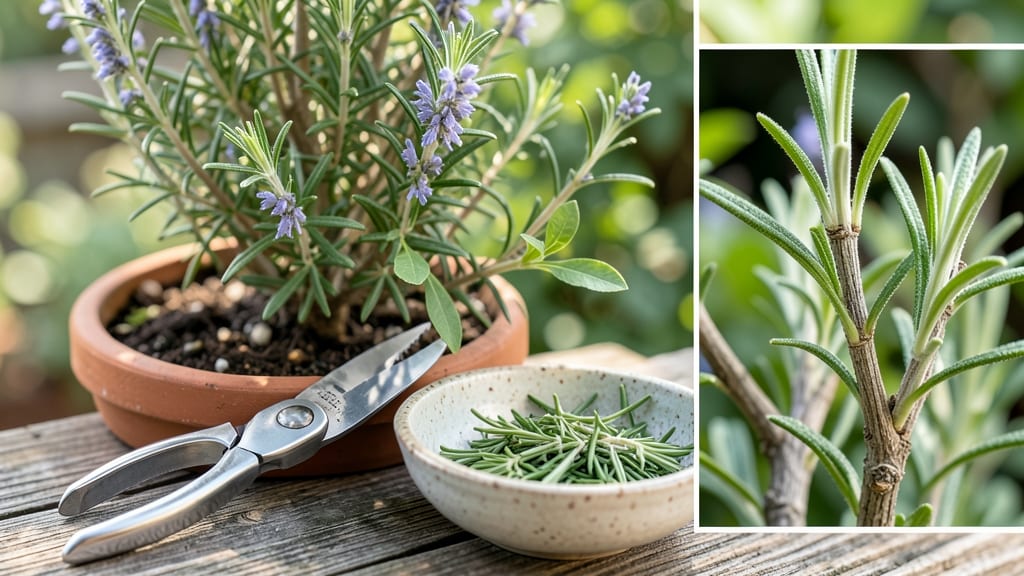
To harvest rosemary so it keeps growing, focus on selective trimming of new growth rather than stripping older stems—this keeps your 🌿 bushy and productive for years.
Picture this: you’ve just snipped a sprig for your roast chicken, but weeks later, your rosemary looks sparse and woody. That’s not over-harvesting—it’s the wrong where and how. The key is cutting just above leaf nodes (those tiny bumps where branches sprout) to trigger fresh shoots.
Timing matters just as much as technique. Spring and early summer are prime seasons to prune, but even in winter, a light trim prevents leggy growth. Avoid taking more than one-third of the plant at once, or you’ll shock it into dormancy.
In this guide, I’ll walk you through the exact spots to snip, seasonal adjustments, and post-harvest care tricks—so your rosemary stays lush, fragrant, and ready for the next harvest.

Best time and places to prune rosemary for maximum regrowth
Pruning rosemary correctly is the secret to keeping your plant lush, fragrant, and productive for years. Unlike many herbs, rosemary thrives on regular trimming—but timing and technique matter.
Cut at the wrong time or in the wrong spots, and you risk woody stems, sparse growth, or even plant death. The key is to trim when the plant is actively growing and to target specific areas to encourage new, bushy growth.
Most gardeners make two critical mistakes: pruning too late in the season or cutting into old, woody stems. Both can leave your rosemary looking leggy and bare. Instead, focus on spring and early summer trims when the plant is energized.
This is when rosemary puts out the most vigorous new growth, making it the ideal time to shape and harvest.
Another common pitfall is over-pruning—never remove more than one-third of the plant in a single session. Rosemary stores energy in its stems, and aggressive cuts can stress the plant.
Think of each trim as a light haircut, not a buzz cut. Even dwarf varieties need gentle encouragement to fill out.
🌿
The best places to prune are the top third of the plant and the outer edges. Avoid cutting into the center of mature rosemary unless you're removing dead wood, as this can create a bare, woody core that never recovers.
For dwarf varieties, focus on trimming just above a leaf node—this is where new branches will sprout.
Use clean, sharp pruners or scissors to make cuts at a 45-degree angle, about 1/4 inch above a leaf node. This angle helps water run off the stem, reducing rot.
If you're harvesting for cooking, avoid cutting into old, woody stems—they’re less flavorful and harder to regrow from. Instead, target the tender, green growth at the tips.
One pro tip: Never trim more than 1/3 of the plant at once, even if it looks overgrown. Rosemary is resilient but not indestructible. After pruning, give your plant a light fertilizer (like a 10-10-10 blend) to support new growth.
Water deeply but avoid soggy soil—rosemary hates wet roots.
If your rosemary starts looking leggy or sparse, it’s a sign you’ve been pruning too late or too lightly. The solution? A harder prune in early spring, cutting back one-third of the height to encourage a fresh flush of growth.
Just be patient—it may take 6-8 weeks to see full recovery, but the results are worth it.
🌱
Step-by-step rosemary harvesting guide to prevent dieback
Harvesting rosemary correctly is the difference between a lush, evergreen bush and a woody, leggy skeleton. The secret? Always cut just above a leaf node—those tiny bumps where new shoots emerge. This simple technique tells your rosemary, "Grow here!" rather than leaving bare stems that never regenerate.
I’ve made the mistake of snipping random branches, only to watch my rosemary turn into a brown stick within months. Don’t let that happen! The steps below will show you exactly where, when, and how to trim for year-round regrowth—even if your plant looks sad right now.
How to Harvest Rosemary So It Keeps Growing
- Step 1: Wait for the Right Time Prune in spring or early summer when new growth is active. Avoid winter cuts—rosemary needs energy to recover.
- Step 2: Choose Healthy Stems Pick stems with 3-4 sets of leaves (not woody bases). These have the most regrowth potential.
- Step 3: Use Sharp Tools Grab clean, sharp pruners (or scissors) to avoid crushing stems. Dull blades cause disease entry points.
- Step 4: Cut Above a Leaf Node Angle your cut just above a leaf node (the bump where branches sprout). This triggers new shoots to form there.
- Step 5: Never Take More Than 1/3 Remove no more than 1/3 of the plant at once. Over-pruning stresses rosemary and invites dieback.
- Step 6: Revive Leggy Plants If your rosemary looks tall and sparse, cut back 1/2 of the height in spring. New growth will fill in within weeks.
- Step 7: Post-Harvest Care Water deeply after pruning and fertilize lightly (1 tbsp 10-10-10 per plant) to support regrowth.
For woody stems that refuse to regrow, don’t panic! Cut them back to green growth—even if it’s just a few inches. Rosemary is resilient and will sprout from old wood if given time and proper care.
Pro tip: If your rosemary is container-grown, prune more aggressively in spring to encourage bushiness. Potted herbs often grow leggy without regular trims, so stay on top of it!
With these steps, your rosemary will stay compact, fragrant, and productive for years—no more sad, bare branches. Happy harvesting! ✂️🌿