
How To
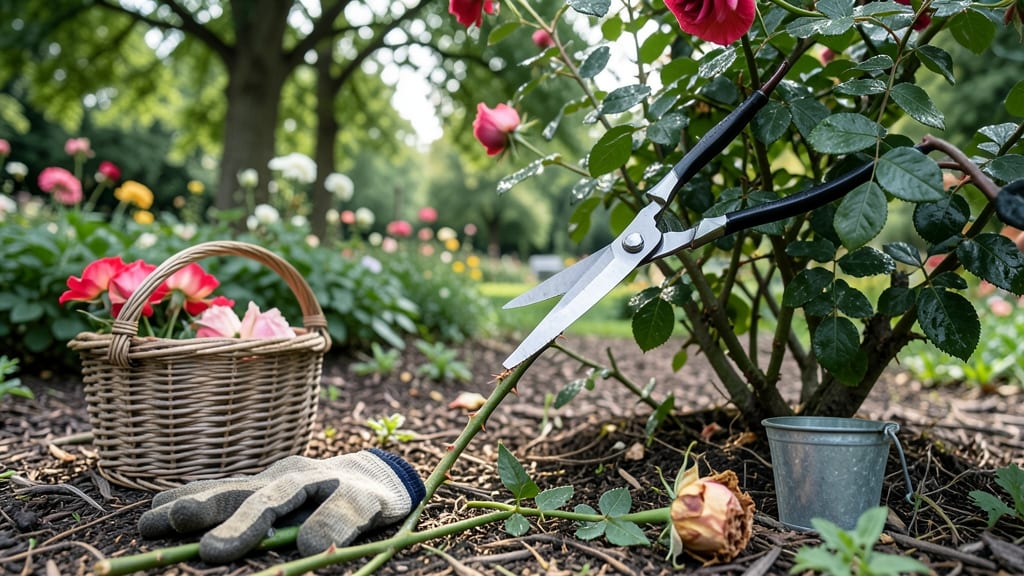
To harvest roses at their peak, cut stems when buds are just beginning to unfurl 🌹 — this ensures vibrant blooms and keeps your plants thriving.
Harvesting roses at the perfect moment ensures stunning blooms and healthier plants—yet many gardeners miss the optimal timing or technique, leading to wasted flowers.
Morning is the best time to harvest, as dew keeps stems fresh and buds are at their firmest. Use clean, sharp pruners to make a 45-degree cut just above a leaf node, which encourages new growth.
Below, I’ll walk you through the ideal blooming stage, pro trimming tips, and how to preserve your harvest for days—so you can enjoy your roses without sacrificing plant health.

When to harvest roses: identifying the perfect blooming stage
Harvesting roses at the right time transforms your garden into a bountiful floral treasure trove while keeping your plants healthy. The key is recognizing when buds are just beginning to open—not fully bloomed or overripe. This stage ensures vibrant, long-lasting flowers and encourages your roses to produce more blooms.
Most gardeners make two common mistakes: harvesting buds that are too tight (not ready) or waiting until they’re fully open (past prime). For hybrid teas, aim for buds where 10-20% of petals unfurl. Floribundas and climbers can tolerate slightly more openness—around 25-30%—since they bloom in clusters.
Morning is the best harvest time because dew keeps stems hydrated, and buds are firm and fresh. Avoid harvesting after rain or in the evening, as this can lead to wilted or short-lived blooms. Always use clean, sharp pruners to make precise cuts.
Seasonal timing also matters. In USDA Zone 6a, roses typically bloom from June to September, but early varieties like ‘Knock Out’ roses may start as early as May. Late-season bloomers, such as ‘Belinda’s Dream’, may extend into October before frost.
| Rose Type | Ideal Harvest Stage | Best Season | Signs to Harvest |
|---|---|---|---|
| Hybrid Teas | 10-20% petal unfurl | June-August | Firm stem, vibrant color |
| Floribundas | 25-30% petal unfurl | June-September | Cluster blooms, slight petal separation |
| Climbers | 30-40% petal unfurl | July-October | Long stems, strong scent |
| Shrub Roses | 20-25% petal unfurl | May-September | Full clusters, healthy leaves |
For hybrid teas, focus on single blooms with one fully unfurled petal. These roses are prized for their long stems and dramatic appearance, so harvesting at the right stage ensures they last 7-10 days in a vase.
Look for buds where the center is just visible through the petals.
Floribundas and shrub roses, like ‘Dr. Huey’, produce clustered blooms, so harvest when the outer petals of the largest bud in the cluster begin to open. This encourages the entire cluster to bloom simultaneously, creating a fuller, more abundant display.
Climbing roses, such as ‘New Dawn’, require patience. Their longer stems and later blooming mean you can wait until 30-40% of petals unfurl. These roses often bloom in waves, so staggered harvesting ensures a continuous supply of fresh flowers.
Overripe roses—those with fully open petals and wilted centers—should be removed immediately. These blooms drain energy from the plant and attract pests. Always cut them back to a healthy leaf node to promote new growth.
Pro tip: If you’re harvesting for hip production (the seed pods that form after blooms), wait until the petals have completely fallen off and the hips turn a deep red or orange.
These hips are rich in vitamin C and attract wildlife, making them a valuable addition to your garden ecosystem.
To maximize your harvest, prune your roses early in the season (March-April) to encourage strong, healthy canes. This sets the stage for abundant blooms throughout the growing season. Always disinfect your pruners with rubbing alcohol between cuts to prevent disease spread.
With these tips, you’ll enjoy vibrant, long-lasting roses while keeping your plants thriving for years to come. Happy harvesting! 🌹
3 Pro trimming tips for harvesting roses without damaging plants
Harvesting roses properly isn’t just about cutting stems—it’s about preserving plant health while maximizing bloom quality. A single incorrect cut can stress your roses, reducing future blooms. I’ve trimmed hundreds of roses over the years, and these three techniques have kept my plants thriving while giving me stunning cut flowers.
First, timing matters more than most gardeners realize. Harvesting at the wrong stage can leave your roses looking wilted or force the plant to waste energy on damaged blooms.
The key is to catch buds just as they begin to unfurl—when petals are 10-20% open—so they’ll last longer in arrangements and encourage more buds to form.
- Use the right tool: Bypass pruners (not shears) make clean cuts without crushing stems. I always sterilize mine with rubbing alcohol to prevent disease spread.
- Make angled cuts: Trim 1/4 inch above a leaf node at a 45-degree angle. This prevents water from pooling and encourages new growth from the node below.
- Revive wilted stems: Place harvested roses in lukewarm water with a splash of bleach (1 tsp per gallon) for 1 hour before arranging. This rehydrates stems and extends vase life by 2-3 days.
Your choice of tools can make or break your harvest. Bypass pruners are my go-to because their sharp blades create clean cuts that heal faster than the jagged edges shears leave behind.
For thick-stemmed roses like Knock Out® varieties, I use loppers with a bypass blade to avoid crushing the stem.
After cutting, don’t just toss your roses into a vase—give them a quick revival treatment. Fill a bucket with cool water and a floral preservative (or 1 tsp sugar + 1 tsp bleach per quart).
Let stems soak for 30 minutes before arranging. This step alone can add 3-5 extra days of freshness to your bouquets.
One mistake I see often is harvesting roses when they’re fully open. Overripe blooms wilt faster and signal the plant to stop producing buds. Instead, focus on bud-stage harvesting—this keeps your roses blooming continuously throughout the season.
I’ve trained my eye to spot the perfect moment by checking for slight petal separation and a firm stem that snaps cleanly.
Finally, never forget to prune for airflow while harvesting. Remove any dead or crossing branches during your trimming sessions to reduce disease risk. I schedule a full pruning every late winter and light trims every 4-6 weeks during growing season to keep my roses lush and productive.