
How To
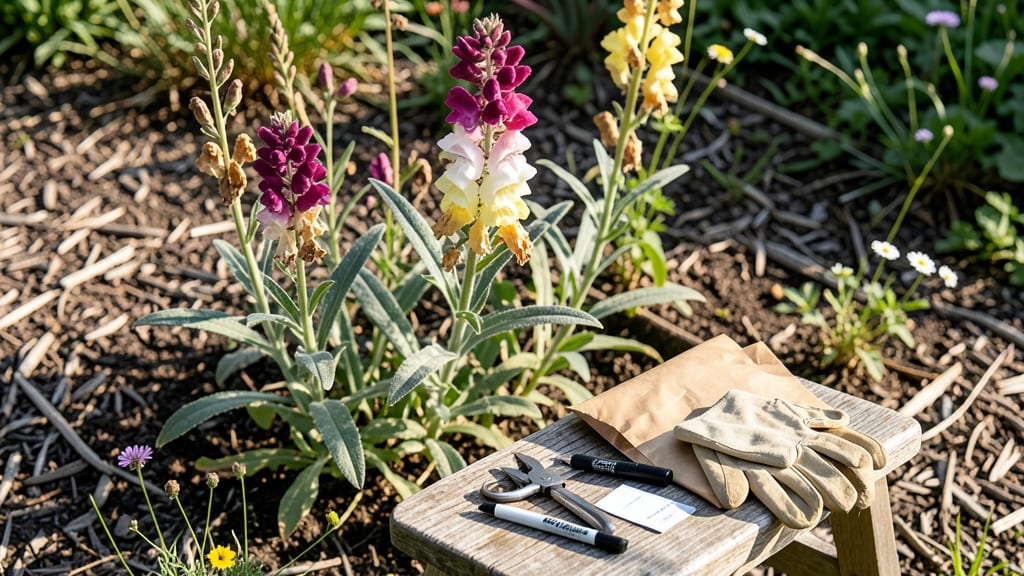
Harvesting snapdragon seeds at the right time ensures you’ll have next year’s vibrant 🌸 blooms ready to grow—without buying new ones.
Picture this: your snapdragons have finished flowering, and those once-green seed pods are now dry and brown. If you wait too long, the pods will split open on their own, scattering seeds everywhere.
But harvest them too early, and you’ll end up with underdeveloped seeds that won’t sprout. Timing is everything, and I’ll show you exactly when to act.
This guide covers how to spot perfectly ripe pods, the best way to collect seeds without damaging them, and simple drying techniques to keep them viable for years. No more guessing—just a foolproof method for turning this year’s flowers into next season’s garden stars.
You’ll also learn how to test seed viability and avoid common mistakes that waste your hard-earned harvest. Ready to turn your snapdragons into a self-sustaining garden feature? Let’s get started.

When to harvest snapdragon seeds: identifying ripe pods & natural signs
Harvesting snapdragon seeds at the perfect moment means the difference between viable seeds and wasted effort. The key is watching for three critical signs: color change, texture shift, and natural pod behavior.
When these align, you’ve got a golden window—usually just a few days—before the pods split open and scatter seeds everywhere. Miss it, and you’ll need to start fresh next season.
I’ve learned the hard way that green pods = no seeds. Those early pods might look promising, but inside, they’re still developing. Wait until they turn a uniform brown color, and you’ll know they’re ready.
This change happens naturally after flowering ends, typically 4-6 weeks post-bloom, depending on your climate.
Here’s the visual checklist I use to confirm readiness: pods should be dry to the touch, seeds inside should be dark and firm, and the pods may even start to split open slightly on their own.
If you hear a faint popping sound when you gently shake the plant, that’s nature’s way of telling you it’s time.
🌸
The best time of day to harvest is late morning, after any morning dew has evaporated. This reduces humidity around the pods, which helps prevent mold and ensures seeds dry faster.
I’ve found that 9-11 AM works best in my USDA Zone 6a garden, but adjust based on your local climate.
Seasonal timing matters too. In cooler climates, pods may mature earlier—sometimes as early as late June—while in warmer zones, you might not see ripe pods until September.
Pay attention to your local frost dates; if your first frost is approaching, prioritize harvesting over waiting for perfect conditions.
One trick I swear by is gentle shaking. Hold a ripe pod over a clean sheet of paper and give it a light shake. If seeds rain down easily, you’ve timed it right.
If not, leave the pods another day or two. Never force open unripe pods—they won’t yield viable seeds, and you’ll waste precious garden time.
🌿
After harvesting, I always label my seed packets with the harvest date and variety. This helps track viability later. Store them in a cool, dry place (like a sealed jar in the fridge) for up to 3 years.
Proper storage means you’ll always have fresh snapdragon seeds ready for next season’s garden.
If you’re in a humid climate, speed up drying by placing pods in a paper bag with a silica gel packet for 24 hours. This trick has saved my seeds from moldy disasters more times than I can count.
The goal is to mimic the natural drying process but control the environment.
Finally, don’t forget to leave a few pods on the plant if you want some natural reseeding. Snapdragons self-sow beautifully, and you’ll get a surprise show of new blooms next year without any effort. Just be prepared for them to pop up where you least expect them!
✂️
Step-by-step method for collecting & drying snapdragon seeds properly
Once you’ve identified your fully mature snapdragon seed pods, the next step is collecting and drying them properly to ensure high germination rates. Rushed drying or improper storage can ruin seeds, so follow these steps carefully.
I’ve harvested seeds from my own garden for years, and this method guarantees viable seeds for up to 3 years when stored correctly.
Timing matters most—harvest on a dry, sunny morning when humidity is low. Avoid rainy days, as moisture speeds up mold growth. Use clean, sharp scissors or pruners to cut the dry seed pods from the stem.
Place them in a paper bag (not plastic) to allow airflow while preventing seed loss.
How to Harvest Snapdragon Seeds
- 1 Cut pods at the stem when they’re completely brown and dry. Avoid green or partially brown pods—they won’t yield viable seeds.
- 2 Place pods in a paper bag (not plastic) to allow air circulation while keeping seeds contained. Tie the bag loosely if needed.
- 3 Dry pods for 1-2 weeks in a cool, dry, dark place (like a closet or garage). Avoid direct sunlight—it can overheat and damage seeds.
- 4 Shake or crush pods to release seeds. Use a clean, dry container (like a glass jar) to collect them. Discard any empty or moldy pods.
- 5 Store seeds in an airtight container with a silica gel packet to absorb moisture. Label with the harvest date for tracking viability.
After drying, your snapdragon seeds should be dark and firm—any soft or discolored seeds should be discarded. Store them in a cool, dark place (like a refrigerator) to extend their lifespan. I’ve kept seeds this way for 3+ years with success, though germination rates drop slightly after year 2.
Avoid these common mistakes that reduce seed quality: harvesting too early (green pods), using plastic bags (traps moisture), or storing seeds in heat/humidity. Even a slightly damp environment can cause mold, so always double-check your storage spot.
Once dried and stored, your seeds are ready for next year’s garden. For best results, plant them in early spring—just scratch them lightly into the soil and keep them moist until sprouts appear. With this method, you’ll have a self-sustaining snapdragon patch in no time!