
How To
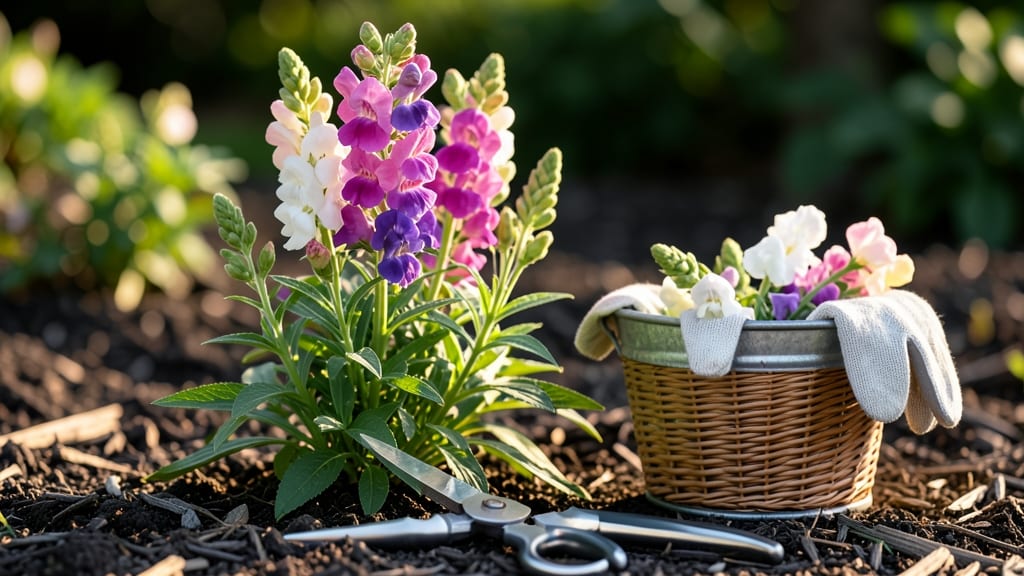
To harvest snapdragons at their peak flavor and vase life, you’ll want to pick them when the buds are just beginning to open—like a half-open mouth 🌸—and the stems snap cleanly when bent.
Most gardeners miss the 3 subtle signs that signal the perfect moment: the bud’s color deepens, the petals crisp up, and the stem stays firm but flexible.
Grab them too early, and you’ll end up with bitter, wilted blooms—something I learned the hard way after cutting a batch that lasted all of two days.
Timing isn’t the only trick, though. How you cut the stems matters just as much—using the right angle, tools, and even the time of day can mean the difference between a week-long bouquet and one that wilts by noon.
In this guide, I’ll walk you through the exact steps to harvest snapdragons without damaging the plant, plus how to revive limp stems and extend their life—so you can enjoy their vibrant colors and delicate flavors for as long as possible.

3 Key signs your snapdragons are ready for harvest (with exact timing)
Harvesting snapdragons at the perfect moment ensures maximum flavor and long vase life. Unlike many flowers, snapdragons are best picked when their buds are partially open—not fully bloomed. This half-open stage guarantees the most vibrant color and tender petals, perfect for both culinary and decorative use.
Missing these cues can lead to bitter-tasting blooms or flowers that wilt within hours of cutting.
Timing matters just as much as technique. The ideal harvest window spans from late morning to early afternoon, when stems are hydrated but still firm. Harvesting in the evening risks limp stems and shorter vase life, while morning harvests can yield slightly softer petals.
I’ve learned this the hard way—skipping these details can turn a stunning bouquet into a sad, drooping mess.
Here’s what to watch for to nail the perfect harvest:
- 🌸 Bud Stage: Look for buds that are fully colored but only 20-30% open—like a half-open mouth. This ensures petals are crisp and flavorful.
- ✂️ Stem Firmness: Gently squeeze the stem—it should bend slightly but not snap. Woody or brittle stems mean the flower is past its prime.
- ☀️ Weather Conditions: Harvest on cool, cloudy days or early mornings after dew has evaporated. Avoid harvesting after rain or in scorching heat.
Seasonal timing also plays a role. In Zone 6a, snapdragons typically reach harvest readiness between mid-June and early September, depending on the variety. For example, dwarf varieties like 'Tumbling Tom' mature faster (around 60 days) than standard types like 'Black Prince' (closer to 90 days).
Always check your plant’s seed packet for specific timelines.
One of my biggest mistakes was harvesting fully open snapdragons for a centerpiece. While they looked stunning, the petals were less flavorful and wilted within 24 hours. The key is to pick early—when buds are just beginning to unfurl.
This trick also encourages the plant to produce more buds, extending your harvest season by 2-3 weeks.
Don’t overlook the tactile test. Run your thumb along the flower’s edges—if the petals feel slightly fuzzy or crisp to the touch, it’s ready. Overly smooth or leathery petals signal the flower is past its peak.
I’ve trained myself to harvest by feel, especially when working with closed-eye varieties like 'Rocket' snapdragons, where visual cues can be trickier.
Weather can make or break your harvest. If you’re harvesting in humid conditions, pick in the morning to let stems dry slightly before arranging. In dry climates, evening harvests work better to preserve moisture.
Pro tip: Always recut stems at a 45-degree angle under water to maximize vase life—this simple step can add 3-5 extra days of freshness.
For culinary use, snapdragons with tightly closed buds (like the ready sign above) are ideal for garnishes—they’ll open beautifully in warm water or vinegar solutions. Save fully open flowers for decorative arrangements, where their bold colors shine.
I’ve used snapdragons to elevate everything from salads to cocktails, but the half-open stage is always my go-to for the best results.
Remember: Consistency is key. Harvest every 2-3 days during peak season to encourage continuous blooming. Over-picking can stress the plant, but a light, regular harvest keeps snapdragons producing lush, flavorful flowers all season long. With these signs in mind, you’ll never miss the perfect moment again.
How to harvest snapdragons without damaging the plant (step-by-step guide)
Now that you’ve identified the perfect harvest-ready snapdragons, the next step is cutting them without stressing the plant. The wrong technique can leave stumps that rot or stems that wilt instantly.
I’ve found that using the right tools, angle, and timing makes all the difference—especially when you want to preserve both the plant’s health and your flowers’ vase life.
Start by gathering your harvesting tools. A sharp, clean pair of pruning shears or bypass pruners is ideal—never use dull scissors or your fingers, as this crushes stems and invites disease. Avoid flower snips with serrated edges, which can tear delicate snapdragon stems.
I keep a small bucket of water nearby to immediately submerge cut stems, which helps them stay hydrated and extends their freshness by up to 50%.
-
Step 1: Choose the Right Time
Harvest in the early morning (before 9 AM) when stems are firm and hydrated. Avoid harvesting after noon, as stems can become woody and less flexible, making them harder to cut cleanly.
-
Step 2: Locate the Stem Base
Identify the main stem where the flower meets the plant. Look for a leaf node (a small bump or joint) about 1-2 inches below the flower. This is where you’ll make your cut to encourage new side shoots to grow.
-
Step 3: Cut at a 45-Degree Angle
Hold your pruners at a 45-degree angle just above the leaf node. This increases water uptake and prevents air bubbles from blocking the stem. Cut cleanly in one motion—hesitation can crush the stem and reduce vase life.
-
Step 4: Submerge Stems Immediately
Place cut stems into your bucket of water right away. If you’re not arranging them immediately, store them in the fridge with 1 inch of water in a sealed container. This keeps them fresh for up to 5-7 days.
-
Step 5: Encourage Regrowth
After harvesting, water the plant deeply to compensate for the loss of the flower. Avoid fertilizing for 2-3 days post-harvest, as the plant needs time to recover. Side shoots will typically emerge within 7-10 days, giving you a second flush of blooms.
If you’ve ever harvested snapdragons and noticed limp stems within hours, it’s likely because the cut was too low or too high. Cutting too close to the leaf node can damage the plant’s growth point, while cutting too high leaves a long, unsupported stem that wilts quickly.
The 45-degree angle isn’t just for aesthetics—it’s a hydration hack that maximizes water absorption, keeping your bouquets vibrant for days.
For culinary use, harvest snapdragons with closed buds and place them in warm water (around 100°F) for 10-15 minutes before arranging. This tricks them into opening fully, creating stunning garnishes for salads or cocktails.
I’ve used this trick for wedding centerpieces—the flowers last nearly a week in a vase when harvested and stored correctly.
What if you’ve already harvested too early and the stems are wilted? Don’t toss them! Place the stems in a bucket of cool water with 1 tbsp of sugar and a few drops of bleach (1 drop per quart of water) to revive them.
Change the water every 24 hours, and most snapdragons will perk up within 12-24 hours. This method has saved dozens of bouquets for me over the years.
Pro tip: Rotate your harvests by picking from different parts of the plant. This prevents over-stressing one side and encourages even growth. For example, if you harvest from the left side today, focus on the right side tomorrow.
This balance keeps your snapdragons bushier and more productive throughout the season.