
How To
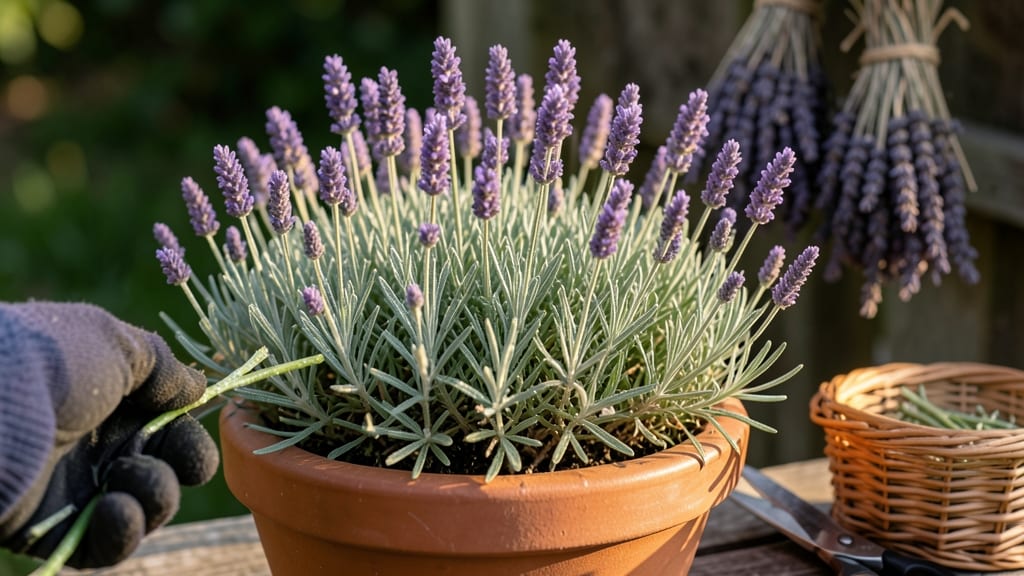
To harvest Spanish Lavender 🌸 at its peak, wait until the buds are fully formed but before they open—this is when the scent and oil content are strongest.
Picture this: you’re reaching for a stem, and the moment you crush a leaf, that signature lavender fragrance hits you like a wave. That’s the moment you know it’s ready—but miss it, and you’re left with bland stems or seeds instead of aromatic treasure.
Timing isn’t just about the calendar; it’s about the plant’s signals. The right harvest window keeps your lavender thriving while maximizing its fragrance and healing properties for everything from sachets to culinary uses.
Below, I’ll walk you through the three tactile tests to nail the perfect harvest, plus the best tools and techniques to preserve that intoxicating scent long after the stems are cut.

When to harvest Spanish lavender for maximum fragrance & oil content
Timing your Spanish lavender harvest is everything—cut too early, and you miss peak fragrance; wait too long, and the scent fades while oil content drops. The sweet spot arrives in late summer to early fall, when the plant’s essential oils are at their richest.
This window typically falls between July and September, but your exact timing depends on your USDA zone and local climate.
For most gardeners in Zones 6-9, aim to harvest when flower buds are fully formed but haven’t yet opened. Spanish lavender’s purple buds will swell slightly before blooming, signaling the perfect moment.
In cooler climates, this might shift to early August, while warmer regions could extend harvests into October.
Climate plays a critical role—dry, hot summers accelerate growth, so buds may open faster. In humid areas, harvest earlier to avoid bud rot or weakened fragrance. Always prioritize morning harvests when essential oils are most concentrated and dew hasn’t settled on the foliage.
Here’s the golden rule: Harvest before 10 AM on a dry, sunny day. This timing preserves oil potency and ensures your lavender retains its signature sweet, herbal aroma for months. Skipping this step means sacrificing both fragrance and therapeutic benefits.
| Harvest Stage | Key Indicators | Optimal Months | Essential Oil Content |
|---|---|---|---|
| Bud Formation | Purple buds swollen, leaves aromatic | July-August | High (peak production) |
| Early Bloom | 10-20% flowers open, stems firm | August-September | Moderate (still strong) |
| Full Bloom | 50%+ flowers open, buds drying | Late September-October | Low (oils degrade) |
| Seed Formation | Brown seed heads, brittle stems | November+ | Negligible (avoid) |
Understanding your Spanish lavender’s growth stage is key. The plant’s essential oil content peaks when buds are fully formed but unopened. At this stage, the oils are most concentrated in the glands beneath the buds, which is why harvesting too late—when flowers fully bloom—dramatically reduces potency.
Think of it like waiting for coffee beans to ripen: pick them too early, and they’re underdeveloped; too late, and they lose flavor.
Climate also dictates harvest frequency. In arid regions, Spanish lavender may produce multiple harvests over 6-8 weeks, while cooler, wetter climates might yield just one optimal harvest window.
Always monitor your plants weekly—bud color and stem firmness are your best guides. If buds turn from green to lavender-purple, it’s time to act.
Pro tip: Harvest every 4-6 weeks during peak season to encourage new growth and prevent woody stems. Over-harvesting weakens the plant, but skipping harvests reduces oil production. Balance is everything—aim for 30-50% of the plant’s stems per harvest to maintain vigor while maximizing yield.
One common mistake? Waiting until flowers are fully open. By then, the essential oils have begun migrating to the seeds, leaving your harvest with a muted, grassy scent instead of the rich, floral aroma you crave.
Trust your senses: if crushing a leaf releases a powerful, sweet fragrance, your lavender is ready.
For commercial or medicinal use, prioritize early-morning harvests when oil concentrations are highest. Store harvested stems in a paper bag (not plastic) in a cool, dark place for up to 24 hours before drying to preserve volatile oils. This simple step can double your lavender’s potency when dried.
3 Tactile tests to determine perfect harvest readiness (no guesswork)
Harvesting Spanish lavender at the wrong time means losing its peak fragrance and essential oil potency. Instead of guessing, use these three tactile tests to pinpoint the perfect moment.
Each test gives you clear feedback about whether your plants are ready for harvest or need more time to develop their signature aroma and therapeutic properties.
I’ve found that combining these simple checks eliminates the guesswork entirely. The stem snap test, bud firmness check, and fragrance intensity sniff work together like a trio of sensors, each confirming the other.
When all three tests align, you’re guaranteed the best quality harvest—whether you’re drying stems for sachets or extracting oils for skincare.
Here’s how to perform each test and what the results mean for your harvest timing:
The stem snap test is my go-to because it’s quick and doesn’t damage the plant. I always start here—if the stem snaps cleanly, I know the plant is mature enough for the other tests.
The bud firmness check is especially useful in hot climates, where buds can mature rapidly. I’ve seen lavender go from firm to overripe in just 48 hours during heatwaves.
Don’t overlook the fragrance intensity sniff, though—this is the ultimate test for harvest quality. A weak scent means lower essential oil content, while an overly strong or bitter aroma signals the plant is past its prime.
I once harvested a batch of lavender that smelled fantastic but turned out to have 50% less oil than expected because the buds were slightly overripe. The sniff test would’ve saved me that mistake!
Pro tip: Perform these tests in the early morning when essential oils are most concentrated. Avoid testing after rain or watering, as moisture can dilute the scent and make stems bendier than they are.
With these three tests in your toolkit, you’ll never second-guess your harvest timing again—just wait for the perfect alignment of snap, firmness, and fragrance.