
How To
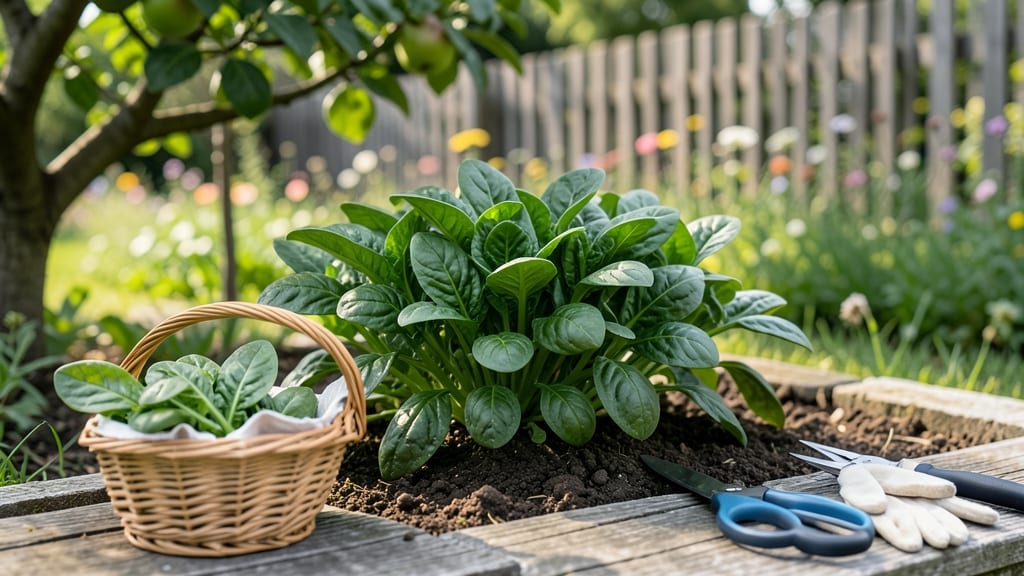
To harvest spinach at its sweetest, tender peak, you’ll need to know the exact moment—because waiting just a few days can turn flavorful greens into bitter bolts 🍃.
Spinach bolting can turn your lush green harvest into bitter, seed-stalk-filled disappointment—but knowing exactly when to pick ensures tender leaves packed with flavor for weeks longer. The secret? Watching for these three subtle visual cues that most gardeners miss.
Think about it: you’ve nurtured your spinach through cool spring days, kept the soil moist, and now it’s time to reap the rewards. But if you pull leaves too early, they’re tough and underdeveloped.
Too late, and you’re left with a plant racing toward bolting—those woody stems and tiny flowers that ruin the harvest.
In this guide, I’ll walk you through the three key signs your spinach is ready to pick, the best tools to use, and how to harvest without damaging the plant—so you can enjoy a steady supply of fresh, flavorful greens all season long.

3 Visual cues to harvest spinach at peak flavor
Harvesting spinach at the right moment transforms your garden into a flavor factory. Miss the window, though, and you'll end up with bitter, fibrous leaves or worse—bolted plants sending up seed stalks instead of tender greens.
The key lies in three visual cues that reveal when your spinach is primed for picking: leaf color, stem thickness, and growth pattern. I've grown spinach for years, and these signs never fail me.
First, let's talk about leaf color. Perfect spinach leaves should be a deep, vibrant green—almost like a rich emerald. When leaves reach this color, they're packed with chlorophyll and nutrients.
But watch out: if they start turning yellowish or pale, that's a sign of stress or overmaturity. And if you notice red or purple veins, your spinach is signaling it's ready to bolt soon. These color shifts are your plant's SOS for action.
Next, examine the stem thickness. Ideal harvest stems should feel plump and firm to the touch, about the thickness of a pencil lead. If you pinch a stem and it feels hollow or overly thick, that's a red flag—your spinach is past its prime.
Thin, wiry stems mean the plant is still young and needs more time. The perfect stem is the Goldilocks zone of spinach harvesting: not too thick, not too thin.
Now, let's look at growth patterns. Healthy spinach forms a tight rosette of leaves close to the ground. When leaves reach 4-6 inches long but still stay clustered, that's your harvest signal.
If you notice leaves spreading outward aggressively or the center starting to open up like a flower**, your plant is bolting. This is spinach's way of saying, "I'm done growing leaves—time to make seeds!" Once bolting starts, the leaves become tough and bitter.
| Perfect for Harvest | Overmature/Ready to Bolt |
|---|---|
|
Leaf Color
Deep emerald green
🟢 Vibrant, no yellowing
|
Leaf Color
Yellowish or red-veined
🟡 Pale or streaked
|
|
Stem Thickness
Pencil-lead thick
✂️ Firm, not hollow
|
Stem Thickness
Overly thick or hollow
🪴 Woody, tough texture
|
|
Growth Pattern
Tight rosette, 4-6" leaves
🌱 Compact, leafy center
|
Growth Pattern
Spreading or flower stalk
🌻 Opening center, seed pods
|
|
Texture
Tender and crisp
💧 Juicy, snaps slightly
|
Texture
Tough or fibrous
🪴 Leathery, bitter
|
|
Flavor
Sweet and mild
🍽️ Perfect for salads
|
Flavor
Bitter or earthy
🤢 Overcooked taste
|
Pro tip: I always harvest spinach in the
Step-by-step harvesting techniques for maximum yield
Harvesting spinach correctly is the difference between a bountiful harvest and a bitter disappointment. The key lies in gentle handling and strategic timing to keep your plants producing tender leaves for weeks.
I’ve learned that outer-leaf plucking preserves the plant’s growth center, while proper cutting angles prevent damage that invites pests. Let’s break down my proven methods for a continuous spinach supply all season.
Start by inspecting your spinach plants for mature outer leaves—these are your first targets. The ideal leaf size is about 4-6 inches long, with a deep green color and smooth texture. Avoid harvesting leaves that are still small or pale, as these won’t be flavorful.
I always check the stem thickness too; if it’s thicker than a pencil, the leaf is past its prime and may taste tough or bitter.
How to Harvest Spinach Without Damaging the Plant
- 1. Choose the Right Leaves – Select outer leaves that are 4-6 inches long and dark green. Leave the inner leaves and growth center intact.
- 2. Use Your Fingers for Small Leaves – Gently pinch off leaves at the base using your thumb and forefinger. This method is best for young, tender leaves.
- 3. Use Clean Scissors for Larger Leaves – For thicker stems or larger leaves, use sharp scissors or pruning shears. Cut at a 45-degree angle, about 1/4 inch above the main stem.
- 4. Harvest in the Morning – Pick leaves early in the day when they’re cool and crisp. This preserves flavor and texture.
- 5. Leave 2-3 Inches of Growth – Never remove more than 1/3 of the plant at once. Always leave the central growth point and a few inner leaves to keep producing.
- 6. Harvest Every 1-2 Weeks – For continuous yields, harvest outer leaves every 7-14 days during the growing season. This encourages new leaf growth.
- 7. Post-Harvest Care – After harvesting, water deeply and apply a light mulch to retain moisture. Avoid fertilizing immediately, as new growth needs time to establish.
Frequency is everything when it comes to spinach. I’ve found that harvesting every 7-14 days keeps the plant happy and productive. If you wait too long, the leaves will bolt (send up flower stalks), turning bitter and tough.
To extend your harvest season, I recommend succession planting—sow new seeds every 2-3 weeks for a steady supply from spring to fall.
After harvesting, handle your spinach with care to maintain its freshness. Rinse leaves gently in cool water to remove dirt, then pat dry with a clean towel or salad spinner. Store them in a perforated plastic bag in the fridge, where they’ll stay crisp for up to 5-7 days.
For even longer storage, blanch and freeze the leaves—this preserves their nutrients and flavor for months.
One common mistake I see is over-harvesting the center of the plant. If you remove too many leaves at once, the plant may stress and stop producing. Instead, focus on the outer leaves and always leave the growth point intact.
With the right technique, a single spinach plant can give you harvests for 4-6 weeks or longer!
Remember, the goal is to encourage regrowth, not exhaust the plant. By following these steps, you’ll enjoy tender, flavorful spinach all season long—without the bitter disappointment of bolting. Happy harvesting! 🌱