
How To
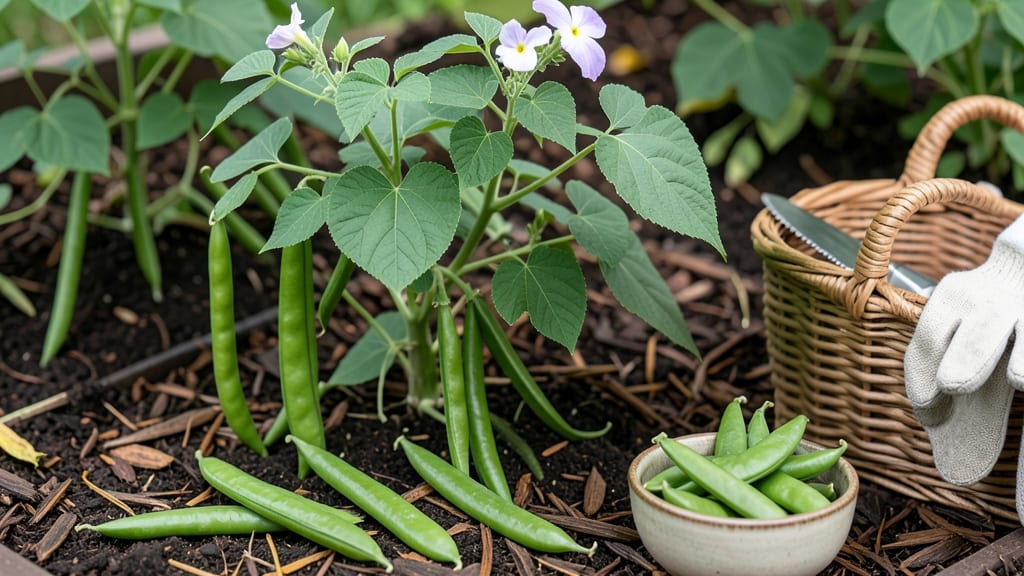
To harvest string beans at their peak flavor, you’ll want to pluck them when pods are 4–6 inches long and still tender—before they toughen or turn woody.
String beans reach their sweetest, most tender flavor at the perfect moment—but knowing exactly when to harvest can mean the difference between a delicious meal and a tough, woody pod. Master these simple yet critical techniques to ensure your garden yields the best-tasting string beans possible.
You might think all you need to do is grab pods when they look big enough, but timing and technique matter more than you’d expect.
A quick twist of the stem or a gentle pinch can tell you whether a pod is ready to eat or still needs time to sweeten.
In this guide, I’ll walk you through the exact signs to look for, the best tools to use, and how often you should harvest to keep your plants producing all season long.

When to harvest string beans: pod color and stem twist test explained
Harvesting string beans at the right moment transforms your garden into a flavor factory. The key lies in two simple but critical indicators: pod color and the stem twist test.
These visual cues tell you exactly when to pick for that perfect balance of tenderness and sweetness—before the beans turn tough and woody. Mastering these techniques ensures you never miss the window for peak harvest quality.
Most string bean varieties reach harvest readiness between 50-70 days after planting, but timing depends more on pod development than calendar dates. The ideal harvest size is typically 4-6 inches long, though some bush varieties mature slightly earlier.
Paying attention to these visual signals prevents over-mature beans that sacrifice flavor for bulk.
Pod color is your first clue—look for vibrant, consistent hues like deep green, purple, or whatever matches your variety. Dull or yellowing pods signal it's past prime time. The stem twist test adds another layer: gently pinch the stem where the pod meets the vine. If it snaps cleanly with a slight twist, that pod is ready for harvest. This method works for both bush beans and pole beans.
Here’s what to watch for in your garden:
| Harvest Indicator | What to Look For | Action |
|---|---|---|
| Pod Color | Vibrant green, purple, or variety-specific hue | Harvest immediately |
| Pod Length | 4-6 inches (varies by variety) | Pick when firm and crisp |
| Stem Twist Test | Snaps cleanly with slight twist | Ready for harvest |
| Seed Visibility | Seeds visible but not bulging | Harvest before seeds enlarge |
| Pod Texture | Crisp and slightly firm | Avoid soft or mushy pods |
The stem twist test is especially useful for pole beans, where pods can hide among foliage. Twist the stem between your thumb and forefinger—if it releases the pod with minimal resistance, it’s time to harvest.
This method prevents over-mature beans that develop woody fibers and starchy flavors, which ruin the tender texture you’re growing for.
Common mistakes like harvesting too late or too early can drastically affect flavor. Over-mature beans (those left past 6 inches) develop thick skins and tough seeds, while under-mature beans (under 3 inches) lack sweetness.
Aim for that 4-6 inch sweet spot, where pods are crisp, vibrant, and packed with flavor. Regular harvesting—every 2-3 days during peak production—encourages plants to produce more pods instead of letting them over-mature.
For bush bean varieties, focus on pods at the base of the plant first, as these tend to mature slightly earlier. With pole beans, work your way up the vine, harvesting the lowest pods first to keep the plant’s energy flowing upward.
This method also makes it easier to spot new pods forming at the top of the plant. Consistency is key—once you start seeing pods reach 4 inches, check your plants daily to stay ahead of over-maturation.
Pro tip: Harvest in the morning when pods are cool and crisp. This timing preserves texture and flavor better than harvesting later in the day. Store freshly picked beans in the fridge for up to 5 days or blanch and freeze them for long-term storage.
The sooner you use or preserve your harvest, the better the flavor will be.
Paying attention to these pod color and stem twist test cues transforms your string bean harvest from good to exceptional. With practice, you’ll develop an eye for the perfect moment—when your garden’s hard work turns into a bounty of sweet, tender pods ready for your table. Happy harvesting! 🌱
Step-by-step guide to harvesting string beans for maximum yield
Harvesting string beans at the right time ensures sweet, tender pods and keeps your plants producing. The key is frequency and timing—picking regularly encourages more growth, while waiting too long turns beans tough and woody.
I’ve learned that a 2-3 day harvesting schedule works best for my garden, but even daily checks can prevent over-maturity.
Before you start, gather the right harvesting tools. A pair of sharp pruning shears or clean scissors works well for pole beans, while gloves and a basket protect your hands and keep pods organized.
Avoid pulling pods by hand—this can damage the plant’s delicate stems. I always harvest in the morning after dew dries when pods are crisp and flavorful.
How to Harvest String Beans
- 1 Check pod readiness: Look for pods that are 4-6 inches long, firm to the touch, and have visible but not bulging seeds. The stem should twist easily when you gently turn it.
- 2 Use the right tool: For pole beans, use pruning shears to snip pods just above the leaf node. For bush beans, pinch pods at the stem with your fingers to avoid tearing the plant.
- 3 Harvest every 2-3 days: Pick pods frequently to encourage new growth. Over-mature pods (longer than 6 inches or woody) signal it’s time to harvest more often.
- 4 Store pods properly: Keep harvested beans in a paper bag or mesh produce bag in the fridge for up to 5-7 days. For longer storage, blanch and freeze pods.
- 5 Revive the plant: After harvesting, water the base of the plant and add compost or mulch to retain moisture. This helps the plant recover and keeps producing.
One of my biggest mistakes was harvesting too late—I once waited until pods turned yellow and shriveled, ruining the flavor. Now, I set a reminder to check plants every 48 hours during peak season.
If you miss a harvest window, don’t worry: even slightly over-mature pods can be used in soups or stews, though they’ll be tougher.
For pole beans, I also tie a brightly colored string along the trellis to mark the top of the plant. This helps me spot where to start harvesting and avoid missing pods hidden among the leaves. A quick visual scan ensures I don’t overlook any ripe beans.
Pro tip: If your plants stop producing, check for pests like Mexican bean beetles or disease signs like yellowing leaves. A neem oil spray can often revive struggling plants and encourage another round of pods. With consistent care, my string beans keep yielding until the first frost!