
How To
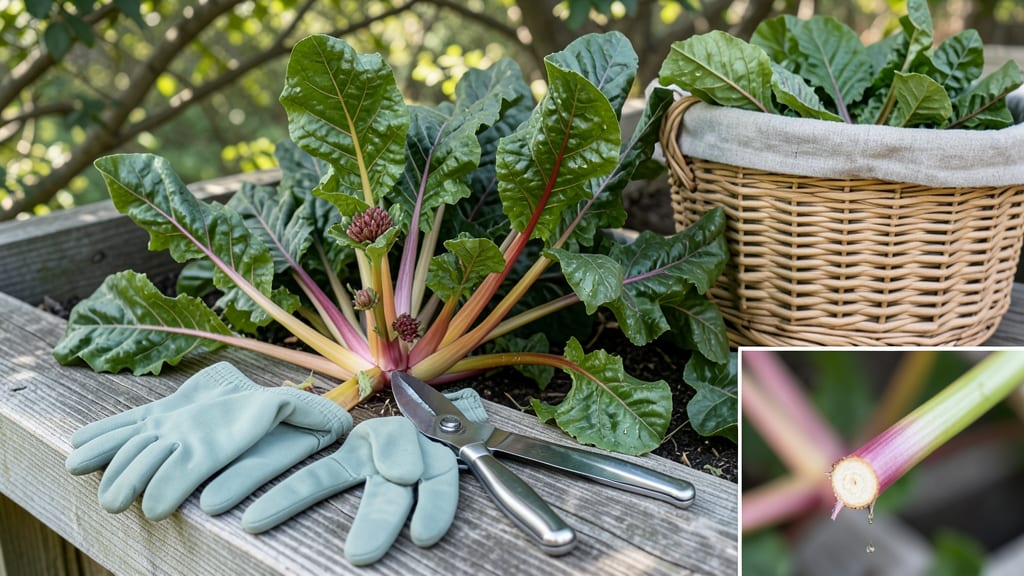
To harvest Swiss chard 🥬 at its peak—when leaves cup tightly and pack the most flavor—start by cutting the outer stalks just above the base.
Picture this: you’re reaching for a handful of bright green leaves, only to find them tough and bitter instead of tender. That’s the difference between harvesting at the right time and waiting too long.
The secret lies in reading your plant’s signals—like leaf size, color, and texture—and knowing exactly how to trim without stunting growth.
Most gardeners miss the ideal harvest window, which is why their Swiss chard either bolts too quickly or turns woody. But with the right techniques, you can enjoy a steady supply of fresh greens from June through October, even in Zone 6a.
Below, I’ll walk you through the exact steps to pick leaves the smart way, plus how to store them for maximum freshness.
Ready to turn your garden into a never-ending salad bar? You’ll learn how to cut leaves without harming the plant, spot the perfect harvest cues, and keep your Swiss chard producing for weeks—no bitter surprises included.

When to harvest Swiss chard for peak flavor and texture
Timing your Swiss chard harvest is everything—cut too early, and you miss the peak flavor; wait too long, and the leaves turn tough and bitter. The ideal moment arrives when outer leaves reach 6-8 inches and cup tightly, signaling maturity.
This usually happens 30-50 days after planting, depending on your climate and variety. For continuous harvests, I’ve found that checking leaves every 5-7 days after the first signs of cupping keeps my plants productive all season.
Look for deep, vibrant colors—whether rich green, ruby red, or golden yellow—as your first clue. These hues indicate high nutrient concentration and sweetness. Pair this with firm stems that snap cleanly when bent, not mushy or hollow.
If you gently squeeze a leaf and feel tenderness, it’s ready. Overlooking these cues often leads to disappointment, as leaves left too long develop a woody texture and stale flavor.
Seasonal timing matters too. In cool climates, start harvesting in late spring (May-June) and continue until first frost. In warmer zones, you can extend harvests into fall with succession planting every 2-3 weeks.
My Rhubarb Chard thrives in these conditions, giving me fresh greens from June through October. The key is to space harvests so the plant always has energy to regrow.
| Harvest Cue | Visual Check | Action |
|---|---|---|
| Leaf Size | 6-8 inches long | Harvest outer leaves first |
| Color Intensity | Deep green, red, or yellow | Prioritize vibrant leaves |
| Stem Firmness | Crisp, not mushy | Avoid hollow or soft stems |
| Leaf Texture | Tender when squeezed | Harvest before toughening |
| Seasonal Timing | Late spring to fall | Space harvests weekly |
Avoid the temptation to harvest inner leaves first, as this can damage the growth point at the center. Instead, always cut outer leaves, leaving the younger inner leaves to mature.
I use a sharp knife or pruners to make clean cuts just above the base, ensuring the plant can quickly regrow. This method also reduces stress on the plant, allowing it to produce more tender leaves over time.
Watch for over-maturity signs like yellowing edges or curling leaves, which indicate the plant is struggling. These issues often arise from heat stress or nutrient deficiencies. If you notice them, reduce harvest frequency and focus on watering deeply and fertilizing lightly with a balanced 5-10-10 mix.
My Bright Lights variety handles heat better than others, but even it needs attention during summer heatwaves.
For continuous harvests, I’ve found that planting every 2-3 weeks from spring to early summer creates a steady supply of fresh leaves. This staggered approach ensures that while one batch is reaching maturity, another is just getting established.
It’s a game-changer for gardeners who love fresh greens year-round. Just remember: never harvest more than ⅓ of the plant at once, or you’ll stunt its growth.
Store harvested Swiss chard properly to maintain its freshness and flavor. Wrap leaves loosely in a damp paper towel and place them in a plastic bag in the fridge. They’ll stay crisp for 5-7 days.
For longer storage, try blanching and freezing the leaves—this preserves their nutrients and texture for up to 6 months. I’ve had great success with this method, especially when I’ve over-harvested and need to save the excess.
If your Swiss chard bolts or flowers, it’s a clear sign the plant is stressed or nearing the end of its season. While you can still harvest leaves before this happens, the flavor and tenderness will decline.
To prevent bolting, ensure the plant gets consistent moisture and partial shade during hot afternoons. In cool climates, bolting is less common, but it’s still worth monitoring your plants closely.
Experiment with different harvesting techniques to find what works best for your garden. Some gardeners prefer snipping leaves with scissors, while others use a serrated knife for cleaner cuts. I’ve also seen success with hand-plucking smaller leaves, which works well for baby greens.
The goal is always the same: harvest smart to keep your Swiss chard thriving and productive.
With the right timing and care, your Swiss chard will reward you with vibrant, flavorful leaves all season long. Start by master
Step-by-step Swiss chard harvesting techniques for healthy plants
Harvesting Swiss chard correctly ensures tender, flavorful leaves while keeping your plant productive. The key is to focus on the outer leaves first, leaving the inner growth to continue maturing.
This method prevents stress and encourages your plant to produce more leaves—think of it like trimming your hair to promote healthy regrowth. I’ve found that cutting at the right angle and using the right tools makes all the difference in maintaining plant health.
Before you grab your shears, check for mature outer leaves that are at least 6-8 inches long and have a deep, vibrant color. These leaves should feel firm and crisp, not floppy or wilted.
If you wait too long, the leaves can become tough and bitter, ruining the delicate flavor Swiss chard is known for. Pro tip: Harvest in the morning after dew has dried for the freshest, crispest leaves.
How to Harvest Swiss Chard: Step-by-Step
-
Step 1: Choose the Right Tool
Use a sharp pair of pruning shears or a clean kitchen knife to avoid tearing leaves. Dull tools crush stems, making them more susceptible to disease. -
Step 2: Identify Outer Leaves
Select the largest, outermost leaves first. These are fully mature and ready for harvest, while younger inner leaves continue growing. -
Step 3: Cut at the Base
Make a clean cut just above the stem base, leaving about 1 inch of growth to encourage regrowth. Avoid cutting into the central stalk. -
Step 4: Harvest Regularly
Pick leaves every 1-2 weeks to maintain a steady supply. This prevents overcrowding and ensures tender, flavorful harvests all season. -
Step 5: Encourage Regrowth
After harvesting, water the plant deeply and add a light fertilizer (like 5-10-10) to support new growth. Mulch around the base to retain moisture.
For young Swiss chard plants (under 30 days old), you can gently pinch off the smallest leaves by hand instead of cutting. This minimizes stress and helps the plant focus on growing larger, more flavorful leaves.
I’ve seen seedlings recover beautifully when handled this way, especially in partial shade where growth is slower.
If your Swiss chard is mature but you’re not harvesting enough, try succession planting every 2-3 weeks from June through August. This ensures a continuous supply of fresh leaves without overburdening a single plant.
Just remember: never harvest more than one-third of the plant at once, or you’ll risk stunting its growth.
After harvesting, store leaves in a plastic bag with a paper towel to absorb moisture, and refrigerate for up to 5-7 days. For longer storage, blanch and freeze the leaves—this preserves their vibrant color and nutrients.
With these techniques, your Swiss chard will keep producing delicious greens all season long.