
How To
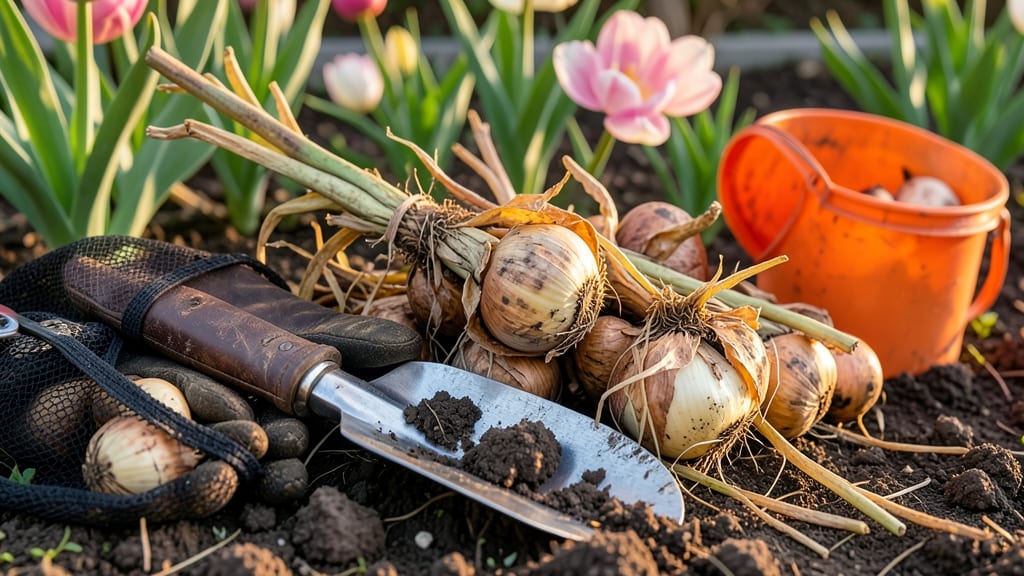
Harvesting tulips at the right time turns your garden’s 🌷 spring show into long-lasting bouquets that brighten any room for days.
But timing is everything—cut too early, and you’re left with buds that never open; wait too long, and the blooms wilt faster than you can arrange them.
The secret lies in knowing when those petals are at their peak, how to snip them just right, and what to do next to keep them fresh.
Most gardeners assume you can harvest tulips whenever they look pretty, but that’s a mistake. The best moment is when the blooms are fully unfurled and vibrant, with no green at the base—usually April to May in Zone 6a.
A sharp cut at the right angle and a quick dip in water can add a week or more to their life.
In this guide, I’ll walk you through the exact steps to harvest tulips without sacrificing next year’s blooms, plus pro tips for cutting, storing, and arranging them so they stay stunning. Ready to turn your garden’s hard work into a vase-worthy masterpiece?

When to harvest tulips for maximum freshness and longevity
Timing is everything when harvesting tulips. Cutting them too early results in buds that never fully open, while waiting too long means limp, overripe blooms. The peak harvest window occurs when 70-80% of petals unfurl and the color is fully vibrant.
This usually happens in late April to early May in most USDA Zone 6a regions, but exact timing depends on your local climate and variety.
Forced tulips—those grown indoors under controlled conditions—have a different timeline. They often bloom 4-6 weeks earlier than outdoor varieties, so monitor their bud development closely. The key is to harvest when the bud swells noticeably but hasn’t fully opened yet, as this stage ensures the longest vase life.
Outdoor tulips, on the other hand, should be harvested when morning dew has evaporated but before the midday heat causes wilting.
| Stage | Harvest Readiness | Seasonal Timing | Environmental Factors |
|---|---|---|---|
| Bud Swelling | Not ready; wait for petal unfurling | Early spring (forced bulbs: 4-6 weeks before outdoor blooms) | Cool temps (50-60°F); avoid frost |
| 70% Petal Unfurling | Ideal harvest time for vase life | Late April-early May (varies by region) | Morning harvest; avoid midday heat |
| Fully Open Bloom | Best for immediate use; shorter vase life | Mid-May (peak outdoor bloom) | Harvest before seed pods form |
| Seed Pod Formation | Too late; blooms wilt quickly | Late May-early June | High temps reduce freshness |
Temperature plays a crucial role in harvest quality. Tulips thrive in cool spring temperatures (50-65°F), but harvesting during heatwaves above 75°F accelerates wilting. If your region experiences early summer heat, harvest tulips in the early morning when stems are firm and hydrated.
Avoid cutting after rain, as excess moisture weakens stems and shortens vase life.
Sunlight exposure also affects harvest timing. Tulips grown in full sun (6+ hours daily) bloom earlier than those in partial shade. If your garden receives less than 6 hours of direct sunlight, expect a 2-3 week delay in blooming.
Adjust your harvest schedule accordingly, and consider supplementing with a grow light for forced indoor tulips to mimic natural sunlight cycles.
Don’t overlook the importance of stem firmness when determining harvest readiness. A woody or brittle stem indicates the tulip is past its prime, while a flexible, green stem means it’s ready. Gently squeeze the stem—if it snaps easily, harvest immediately.
For Darwin hybrid tulips, which have thicker stems, wait until the bud is fully swollen but still closed for the longest vase life.
Seasonal variations matter, especially for gardeners in warmer climates (Zones 8-10). Tulips in these areas may bloom as early as February or March, while those in colder Zones (3-5) might not reach peak harvest until late May.
Use your last frost date as a guideline: tulips should be harvested 2-3 weeks after the last frost to ensure optimal bloom development.
Forced tulips require even more precision. Since they’re grown indoors under artificial conditions, their bloom cycle is shorter. Start monitoring them 4-6 weeks before their expected outdoor bloom date. Look for buds that are plump and beginning to crack—this is your cue to harvest.
Forced tulips often last 3-5 days longer in vases than outdoor-grown ones if harvested at this stage.
One common mistake is harvesting tulips too aggressively, which weakens the bulb and reduces next year’s blooms. Limit yourself to 1/3 of the stems in a cluster to preserve the plant’s energy.
If you’re growing tulips for cut flowers annually, rotate harvest locations each year to avoid depleting nutrients in one spot. Always leave at least 6 inches of foliage after cutting to allow the bulb to photosynthesize and store energy for next season.
Pro tip: Use a sharp, clean pair of pruners or garden shears to make a 45-degree cut just above a leaf node. This angle increases water uptake, extending vase life by 2-3 days.
Immediately place harvested tulips in lukewarm water to shock them gently and remove any lower leaves that would rot in the vase. This simple step can add 5-7 extra days of freshness to your bouquets.
Step-by-step tulip harvesting techniques to preserve blooms
Harvesting tulips at the right moment transforms your garden into a vase full of vibrant blooms that last for weeks. The key lies in precise cutting techniques and immediate post-harvest care.
Whether you're dealing with Darwin hybrids or delicate parrot tulips, each variety demands slightly different handling to maximize vase life.
Before you grab your pruners, gather these essential tools: sharp pruning shears, a clean bucket of water, and a cool storage container if you're harvesting multiple stems.
The right cutting angle and timing can extend your tulips' life from a few days to over two weeks in a vase.
How to Harvest Tulips for Maximum Freshness
- 1 Choose the right moment: Harvest tulips when 30-50% of blooms are fully open. For parrot tulips, aim for 40% openness to preserve their unique shapes.
- 2 Use sharp pruners: Cut stems at a 45-degree angle about 2-3 inches below the bloom. For Darwin hybrids, make cuts slightly lower to support their heavier blooms.
- 3 Immerse stems immediately: Place cut stems in lukewarm water for 1-2 hours to hydrate. Add 1 tsp of bleach per gallon to prevent bacterial growth.
- 4 Store properly: Keep stems in a cool (35-40°F) place overnight. For long-distance transport, wrap stems in damp paper towels and place in a sealed plastic bag.
- 5 Prepare vase setup: Use a clean vase filled with room-temperature water. Add 1 tsp of sugar and 1 drop of bleach to extend freshness. Trim stems again at a new angle before arranging.
- 6 Maintain water levels: Change water every 2-3 days and trim stems by 1 inch each time. For extended vase life, add fresh water daily and remove wilted blooms immediately.
After harvesting, avoid placing tulips in direct sunlight or near heat sources, as this accelerates wilting. Instead, position your vase in a bright, indirect light spot. For parrot tulips, which have thicker stems, use a heavier vase to prevent toppling.
Did you know? Darwin hybrid tulips often last longer in vases because their sturdy stems hold more water. To maximize their vase life, harvest them slightly earlier—when 40% of blooms are open—rather than waiting for full openness like other varieties.
For gardeners who want to preserve tulip bulbs for next year, never cut foliage until it yellows naturally. This ensures the bulb stores enough energy for future blooms. If you must harvest blooms early, leave at least half the foliage intact to support bulb nourishment.
With these techniques, your harvested tulips will stay fresh and vibrant for up to 14 days—making every cutting session worth the effort. Happy harvesting! 🌷