
How To
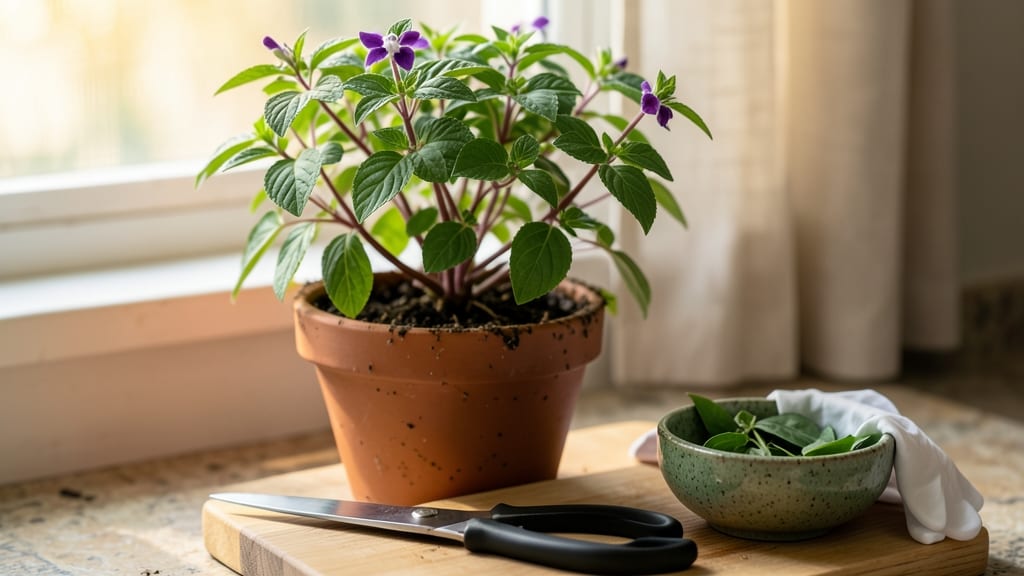
To harvest tulsi properly means cutting leaves at the right stage so your plant stays lush and keeps producing 🌿—not just once, but all season long.
Imagine reaching for a handful of fragrant leaves, only to realize your tulsi has bolted or turned woody. That’s the moment you wish you’d known the best time to trim and how to encourage regrowth without stressing the plant.
The good news? A few simple techniques can turn your harvest from a one-time grab into a steady supply.
Whether you’re growing tulsi in pots on a windowsill or outdoors in USDA Zone 6a, timing matters. Morning harvests yield the most potent leaves, and pruning at the right nodes keeps your plant bushy and productive.
Below, I’ll walk you through the exact steps—plus the common mistakes that stall growth or even kill your plant.
By the end, you’ll know when to cut, how to trim for maximum regrowth, and how to avoid the pitfalls that turn your herb garden into a sad, leggy shadow of its former self.

When to harvest tulsi for maximum flavor & plant health
Timing your tulsi harvest correctly is the secret to unlocking its peak flavor and ensuring your plant stays productive for months. Unlike many herbs, tulsi thrives on regular pruning, but harvesting at the wrong stage can stunt growth or even trigger unwanted flowering.
The best time to harvest depends on three key factors: leaf maturity, time of day, and seasonal growth cycles.
For maximum potency, always harvest tulsi leaves in the early morning after dew has evaporated but before the sun peaks. This is when essential oils are at their highest concentration.
If you must harvest later in the day, avoid the late afternoon when heat can degrade the plant’s delicate compounds. Seasonally, tulsi grows fastest during spring and summer, so you’ll see the most robust regrowth during these months.
Here’s the science: Tulsi plants follow a 60-90 day growth cycle from seed to harvest-ready maturity. The ideal harvest window opens when your plant has developed 6-8 sets of true leaves and the stems begin to woody slightly.
At this stage, the leaves are dark green and glossy, signaling they’ve reached full flavor potential. Waiting too long risks flowering, which diverts energy away from leaf production.
Visual maturity stages are your best guide. Start with the young leaves (soft, pale green) for milder flavor, but save the older, dark green leaves for the strongest aroma. Pro tip: Crush a leaf between your fingers—if it releases a powerful, fresh scent, it’s ready for harvest. Ignoring this signal can lead to bitter-tasting leaves or even stem hardening, which reduces future yields.
Seasonal shifts dramatically impact harvest timing. In spring and early summer, tulsi grows aggressively, so you can harvest every 2-3 weeks without stressing the plant. However, as temperatures rise in late summer, growth slows, and you’ll need to space harvests 4-6 weeks apart to avoid overstressing the plant.
Always leave at least 4-6 healthy leaves per stem to fuel regrowth.
| Stage | Leaf Characteristics | Best Harvest Practice | Seasonal Note |
|---|---|---|---|
| Early Growth | Small, pale green, soft | Avoid harvesting; let roots establish | Spring (first 30 days) |
| Prime Harvest | Dark green, glossy, 6+ leaf sets | Harvest outer leaves; leave inner growth | Spring-Summer (45-60 days) |
| Late Season | Larger, slightly woody stems | Reduce frequency; prune for bushiness | Summer-Fall (60-90 days) |
| Flowering Stage | Leaves bitter; stems harden | Pinch flowers; harvest minimally | Late Summer (90+ days) |
Morning harvests aren’t just about flavor—they’re about plant health. When you pick leaves in the morning, you allow the plant to recover during the day when photosynthesis is strongest.
Afternoon harvests can leave tulsi vulnerable to heat stress, especially in USDA Zone 8 and above, where temperatures often exceed 90°F (32°C). If you must harvest later, choose shady afternoons and always use sterilized scissors to avoid damaging stems.
Watch for seasonal slowdowns in fall and winter. Tulsi enters a dormant phase in cooler months, so reduce harvests to once every 6-8 weeks and focus on light pruning to maintain shape.
In Zone 6a and colder, bring potted tulsi indoors near a south-facing window to extend the growing season. Even in dormancy, tulsi can survive light harvesting if you avoid cutting more than 20% of the foliage at once.
One common mistake is harvesting too aggressively in early growth stages. Young tulsi plants need time to develop root systems—stripping leaves too soon can lead to stunted growth or even death.
Always follow the 30-50-70 rule: Wait until the plant has 30 days of growth, then harvest 50% of outer leaves, leaving 70% of inner growth intact. This balance ensures your tulsi stays bushy and productive for years.
For continuous harvests, aim to prune tulsi every 3-4 weeks during peak growing months. Use your fingers to pinch back stems just above a leaf node—this encourages lateral branching and denser foliage. If you notice yellowing leaves or slow reg
Step-by-step pruning techniques for nonstop tulsi regrowth
Pruning your tulsi plant correctly is the secret to nonstop leaf production and a bushier, healthier plant. When done right, pruning encourages lateral growth—the exact opposite of what happens when tulsi flowers, which signals the end of its leafy life cycle.
I’ve found that regular pruning every 4-6 weeks keeps my tulsi thriving year-round, even in containers.
The key is to cut just above a leaf node (where leaves meet the stem) at a 45-degree angle. This small detail makes all the difference in how quickly new shoots emerge.
Avoid cutting too close to the base, as this can stress the plant and invite disease. For leggy tulsi, focus on trimming the top third of the plant to redirect energy downward.
How to Prune Tulsi for Maximum Regrowth
- Gather your tools: Use clean, sharp pruning shears (or scissors) and wear gloves to protect your hands from tulsi’s aromatic oils.
- Choose the right time: Prune in the morning after dew has dried but before peak sunlight (10 AM or earlier).
- Locate leaf nodes: Identify the uppermost set of leaves where new growth will sprout. These are your cutting points.
- Make the cut: Snip 1/3 above the leaf node at a 45-degree angle. This prevents water from pooling on the stem.
- Trim leggy stems: For tall, sparse growth, cut back half the stem length to encourage bushiness.
- Remove flowers immediately: If you spot flower buds, pinch them off—this stops leaf production and diverts energy to seeds.
- Post-prune care: Water deeply and apply a balanced fertilizer (5-10-10) to support new growth.
One common mistake I see is over-pruning—cutting too much at once can shock the plant. Instead, prune incrementally every 4-6 weeks. This mimics natural growth patterns and keeps your tulsi producing fresh leaves without woody stems or flower spikes.
For indoor tulsi, rotate the pot occasionally to ensure even sunlight exposure, which prevents lopsided growth.
After pruning, your tulsi should show new growth within 7-10 days. Look for bright green shoots emerging from the leaf nodes—this is your plant’s way of saying, “Thank you for the trim!”
If growth stalls, check for underwatering or pests, which can stress the plant. A light neem oil spray can help deter pests while supporting recovery.
For outdoor tulsi, prune more aggressively in early spring to revive winter-damaged plants. In containers, prune weekly to maintain compact growth, especially if you’re harvesting leaves frequently.
The goal is to balance harvest and regrowth—never take more than 1/3 of the plant’s foliage at once, or you’ll risk stunting its ability to recover.
Remember, tulsi is resilient—with the right pruning technique, you can enjoy fresh leaves year-round, even from the same plant. The more you prune, the more your tulsi will reward you with dense, flavorful foliage that’s perfect for teas, soups, or culinary uses. Happy pruning! 🌿✂️🌱