
How To
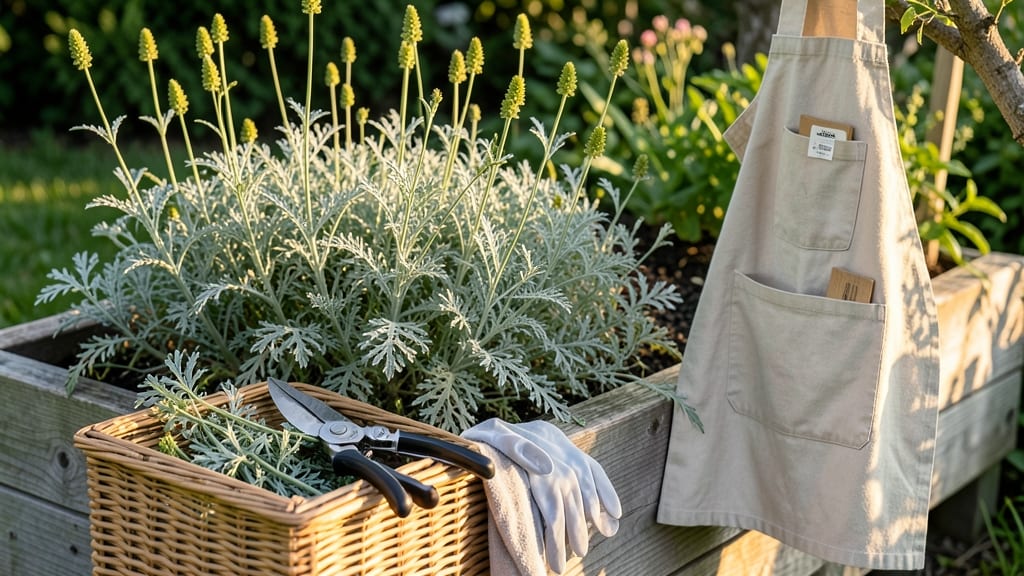
Harvesting wormwood 🌿 at the right time and with the right technique unlocks its signature bitter-sweet flavor and medicinal power.
Wormwood isn’t just a hardy perennial—it’s a flavor powerhouse used in everything from absinthe to herbal remedies, but timing and technique make all the difference in harvesting its potent leaves.
If you’ve ever snipped leaves only to find them bland or woody, you’re not alone. The key lies in knowing when to cut—typically between July and September—and how to handle the stems to preserve those aromatic oils.
In this guide, I’ll walk you through the best methods for harvesting, drying, and storing wormwood so you can enjoy its full potential—whether you’re brewing tea, crafting cocktails, or stocking your herbal medicine cabinet.

When to harvest wormwood for maximum potency and flavor
Harvesting wormwood at the right time transforms its bitter flavor and essential oil content from mediocre to extraordinary. The key lies in understanding how seasonal shifts impact its potency—spring harvests yield tender leaves, while summer and fall bring peak essential oil concentration.
For the strongest flavor, aim for harvests when the plant is mature but pre-flowering, as flowering diverts energy away from leaf potency.
Seasonal timing also affects bitterness levels. Early spring harvests (April-May) produce milder leaves, ideal for culinary uses, while late summer (July-August) harvests deliver the most intense bitterness—perfect for herbal remedies or absinthe. Even fall harvests (September-October) can work if temperatures remain mild, but frost weakens the plant’s potency.
Here’s how to identify the perfect harvest window based on your climate zone and plant maturity:
| Season | Best Harvest Window | Plant Maturity Indicators | Flavor & Potency Notes |
|---|---|---|---|
| Spring | April–May | 12–18" tall, soft stems, dark green leaves | Milder flavor, high moisture, best for culinary use |
| Summer | July–August | Woody stems, silvery-gray leaves, strong aroma | Peak bitterness, highest essential oils, ideal for medicinal use |
| Fall | September (before frost) | Leaves fully developed, stems firm, bitter scent | Intense flavor, but essential oils decline as frost nears |
For first-year plants, wait until they reach 12–18 inches tall and have at least 6–8 mature leaves. Look for silvery-gray undersides on the leaves—a telltale sign of thujone, the compound responsible for wormwood’s signature bitterness.
Avoid harvesting flowering stems, as they signal the plant is shifting energy to reproduction, reducing leaf potency by up to 40%.
In warmer climates (USDA Zones 8–10), wormwood may grow year-round, allowing for multiple harvests. Here, focus on late spring and early fall to avoid the scorching summer heat, which can make leaves brittle and less aromatic.
In cooler zones (USDA Zones 3–6), prioritize late summer harvests before the first frost, as cold temperatures reduce essential oil content.
Pro tip: Harvest on a sunny morning after dew has evaporated. This ensures leaves are dry and crisp, preserving their aromatic compounds. Use clean, sharp scissors or pruning shears to cut stems just above a leaf node—this encourages bushier growth and prevents disease.
Never pull leaves by hand, as this can damage stems and stress the plant.
If you’re growing wormwood for drying, harvest leaves just before they fully open—this concentrates their oils. For fresh use, pick fully mature leaves, but avoid those with yellowing edges, a sign of nutrient deficiency or pest damage.
Store harvested leaves in a paper bag (not plastic) in a cool, dark place to slow oxidation and maintain flavor.
Seasonal changes also affect bitterness levels in predictable ways. Spring leaves are 20–30% less bitter than summer leaves, making them ideal for cocktails or teas where subtlety is key. Summer harvests, however, deliver the most potent flavor—up to 50% stronger in essential oils—thanks to longer daylight hours stimulating thujone production.
Always taste-test a small batch to gauge bitterness before committing to a full harvest.
One common mistake is harvesting too early in the season. Young wormwood leaves lack the complexity of mature ones and may taste grassy or bland. Conversely, waiting until late fall risks exposing leaves to frost, which can turn them black and mushy.
Strike the balance by harvesting when 70% of leaves are fully mature but before any flowers appear—this is your sweet spot for both flavor and potency.
For continuous harvests, prune one-third of the plant at a time, leaving enough foliage to support photosynthesis. This method ensures your wormwood keeps producing high-quality leaves throughout the growing season.
Just remember: patience pays off. A well-timed harvest can mean the difference between ordinary wormwood and a flavor explosion in your kitchen or apothecary.
Step-by-step leaf-cutting techniques to preserve wormwood’s strength
Harvesting wormwood 🌿 correctly ensures you capture its full aromatic potential. The wrong technique can strip away essential oils, leaving you with bland leaves. I’ve found that pinching young shoots and shearing mature stems are the two most effective methods—but they require different tools and timing for best results.
Your choice of cutting tools matters just as much as the technique. Sharp, clean pruning shears or garden scissors are ideal for mature stems, while your fingers work best for pinching tender new growth. Avoid dull tools—they crush stems and release bitter sap prematurely, weakening the plant.
For fresh use, harvest leaves in the morning after dew has dried but before the sun peaks. This preserves the highest concentration of volatile oils.
If drying, cut stems just before flowering begins—typically in mid-to-late summer—when the plant’s energy is focused on leaf production rather than seed development.
How to Harvest Wormwood for Maximum Potency
- 1 Identify mature leaves: Look for dark green, silvery-gray undersides and a strong bitter scent. Avoid woody stems.
- 2 Pinch young shoots: Use your thumb and forefinger to pinch 1-2 inches above a leaf node. This encourages bushier growth.
- 3 Shear mature stems: Cut 3-4 inches above the base using clean shears. Angle cuts at 45 degrees to prevent water pooling.
- 4 Handle stems gently: Bundle 5-10 stems together and hang upside-down in a dark, dry place. Avoid plastic bags—they trap moisture.
- 5 Dry for 1-2 weeks: Leaves are ready when crisp and brittle. Store in airtight containers away from light to preserve oils for up to 1 year.
After harvesting, never wash wormwood unless absolutely necessary—water washes away essential oils. Instead, gently brush off dust with a soft cloth or broom if needed.
For fresh use, strip leaves from stems immediately and store them in the fridge for up to 5 days in a sealed container with a paper towel to absorb moisture.
Pro tip: Rotate your harvests around the plant to avoid over-stressing any single section. Wormwood is resilient, but never cut more than 1/3 of the plant at once. This ensures your bushy perennial keeps producing strong, aromatic leaves year after year.
With these techniques, you’ll unlock wormwood’s full potential—whether you’re crafting bitter herbal teas, infusing oils, or simply enjoying its unique flavor in the kitchen (or garden!). The key is patience and precision—just like any great gardener knows.