
How To
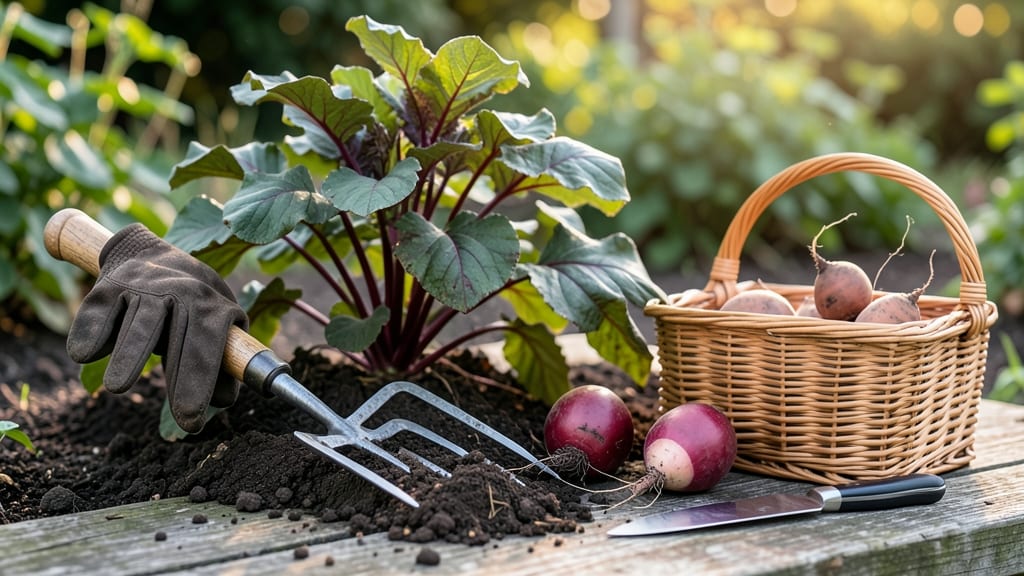
Knowing when to harvest beetroot 🍠 means the difference between tender, sweet roots and tough, bitter ones—here’s how to nail the timing every time.
Picture this: you’ve been watching your beetroot grow, and now the leaves are a vibrant green, but the roots? Still buried like secrets. How do you know if they’re ready—or if you’ve waited too long?
The answer lies in three simple tests: the pull of the soil, the color of the stem, and the size of the roots.
Beetroot thrives in USDA Zone 6a from June through September, but climate plays a role—hotter summers speed up maturity, while cooler springs slow it down. Miss the window, and you’ll end up with roots that taste more like wood than earth.
That’s why these tests matter: they cut through the guesswork and give you the green light to harvest.
In the next sections, I’ll walk you through the soil resistance test, the stem color check, and the root size rule—plus how to adjust for your local growing season. By the end, you’ll never second-guess harvest time again.

3 Soil and stem tests to determine beetroot harvest readiness
Knowing exactly when to harvest beetroot can transform your garden from a bitter disappointment to a sweet, tender success. The difference often lies in simple tests you can perform right in your garden. Unlike other root vegetables, beetroot doesn't ripen after picking, so timing is everything.
These three foolproof methods—finger-pull resistance, soil depth check, and stem color analysis—will help you avoid both underripe and overgrown roots.
First, understand that beetroot varieties mature at slightly different rates. Baby beetroots like 'Baby Kardo' may be ready in just 45 days, while larger varieties like 'Detroit Dark Red' need 60-75 days to reach full size.
But regardless of variety, these tests apply universally. The key is consistency—check your plants every 3-5 days once they've been growing for about 40 days.
Here's where the magic happens—no fancy tools required. Just your hands, a trowel, and a keen eye for color. Let's dive into the three tests that will give you crisp, sweet beetroots every time.
🌱 How to Know When Beetroot Is Ready to Harvest
-
1. Finger-Pull Resistance Test
Gently grasp the beetroot's top greens and pull upward. If the root slips free with minimal resistance, it's ready. If it feels firmly anchored, wait 2-3 more days. This test works best in loose, well-drained soil. -
2. Soil Depth Check
Use a garden trowel to gently loosen soil around the beetroot. If the root is 1-3 inches in diameter and the soil easily separates, it's harvest time. For baby beetroots, aim for 1 inch diameter. Dig carefully—beetroots bruise easily! -
3. Stem Color Analysis
Examine the stem where greens meet root. A deep, consistent color (matching the root) signals maturity. Pale or uneven coloring means it needs more time. For striped varieties like 'Chioggia', the rings should be fully developed. -
Bonus: Leaf Height Cue
When the foliage reaches 4-6 inches tall, the root below is typically ready. Larger leaves may indicate the beetroot is approaching bolting (flowering), which happens when left too long.
Pro Tip: Harvest on a cool morning after watering the soil. This makes roots easier to extract and prevents stress on the plant. 🌿
Let's talk about what happens if you miss these cues. Beetroots left too long in the ground develop woody, tough textures and bitter flavors. The greens may start to yellow or bolt, signaling the plant is shifting energy toward seed production.
On the flip side, harvesting too early gives you small, underdeveloped roots that lack sweetness and nutrients.
For baby beetroots, aim to harvest when they're 1 inch in diameter. These tender roots are perfect for quick cooking and salads. Their delicate texture makes them a garden favorite for those who prefer milder flavors.
Use a small hand fork to loosen soil gently and avoid damaging the tiny roots.
Mature beetroots should be 2-3 inches in diameter with a deep, vibrant color. At this stage, they're ideal for roasting, pickling, or storing in a cool, dark place.
The skin should be smooth and unblemished, indicating proper growth. If you notice cracks or deformities, it might be due to uneven watering or poor soil drainage.
One common mistake is relying solely on days to maturity listed on seed packets. While these are helpful guidelines, they don't account for soil conditions, temperature fluctuations, or varietal differences. That's why these hands-on tests are so valuable—they give you real-time feedback about your specific growing conditions.
After harvesting, don't wash your beetroots immediately. Let them dry in the sun for 1-2 hours to harden the skin, which helps with storage. Store them in a plastic bag in the refrigerator for up to 2 weeks.
For long-term storage, consider curing and canning, which preserves their flavor and nutrients for months.
Remember, beetroots are perennial plants in warm climates, meaning they can regrow from the same roots if not fully harvested. If you're growing them in USDA Zone 7 or warmer, you might get a second harvest in the following spring.
But for most gardeners, focus on getting that perfect first harvest using these simple tests. 🍠
When to harvest beetroot by variety: baby vs. full-sized roots
Not all beetroot varieties mature at the same pace, and harvesting them at the wrong stage can ruin their flavor and texture. Detroit Dark Red, Chioggia, and golden beet varieties each have unique harvest windows—some are perfect for baby roots, while others thrive when left to reach full size.
Understanding these differences saves you from digging up underripe or overgrown roots.
Climate and soil type also shift harvest timing. In hotter climates like Arizona, beetroot may mature in just 50 days, while in cooler regions like the Pacific Northwest, you might need 75 days before roots are ready.
Sandy soil speeds up growth, while clay-heavy soil slows it down. Knowing your local conditions helps you set realistic harvest expectations.
Baby beetroot varieties like Detroit Dark Red can be harvested as early as 40 days for tender, sweet roots as small as 1 inch in diameter.
Full-sized roots, however, should wait until they reach 2-3 inches—this is when their flavor peaks. Chioggia and golden beet varieties often take slightly longer, around 60-70 days, due to their striped or golden colors developing more slowly.
| Variety | Baby Root Size | Full Size | Days to Harvest | Climate Notes |
|---|---|---|---|---|
| Detroit Dark Red | 1 inch | 2-3 inches | 40-60 days | Faster in heat |
| Chioggia | 1.5 inches | 2.5-3 inches | 60-70 days | Slower in cool soil |
| Golden Beet | 1 inch | 2-3 inches | 50-65 days | Best in loose soil |
If you’re growing Detroit Dark Red for baby roots, start checking at 40 days—these tiny roots are perfect for salads and quick cooking. For full-sized roots, wait until they’re 2-3 inches in diameter and the foliage reaches 6-8 inches tall.
The stem color should also deepen to a rich hue, indicating maturity. Ignore this, and you risk roots that become woody and tough.
Chioggia beetroot, with its stunning striped patterns, needs a little more patience. Harvest baby roots at 1.5 inches for a milder taste, but full-sized roots should be 2.5-3 inches with vibrant stripes visible through the soil. Golden beet varieties follow a similar timeline but develop a buttery yellow color when fully mature—this is your cue to harvest.
Soil type plays a surprising role in harvest timing. Sandy soil drains quickly, speeding up growth, while clay soil retains moisture longer, slowing maturity. If your beetroot is taking longer than expected, consider amending the soil with compost to improve drainage.
Conversely, in hot, dry climates, mulch heavily to retain moisture and prevent bolting before harvest.
Once you’ve mastered the timing, store harvested beetroot in a cool, dark place for up to 2 weeks. For long-term storage, cure the roots by leaving them in the ground for a day after harvest, then trim the greens and store in a plastic bag in the fridge.
Now you’re ready to enjoy sweet, homegrown beetroot all season long! 🍠