
How To
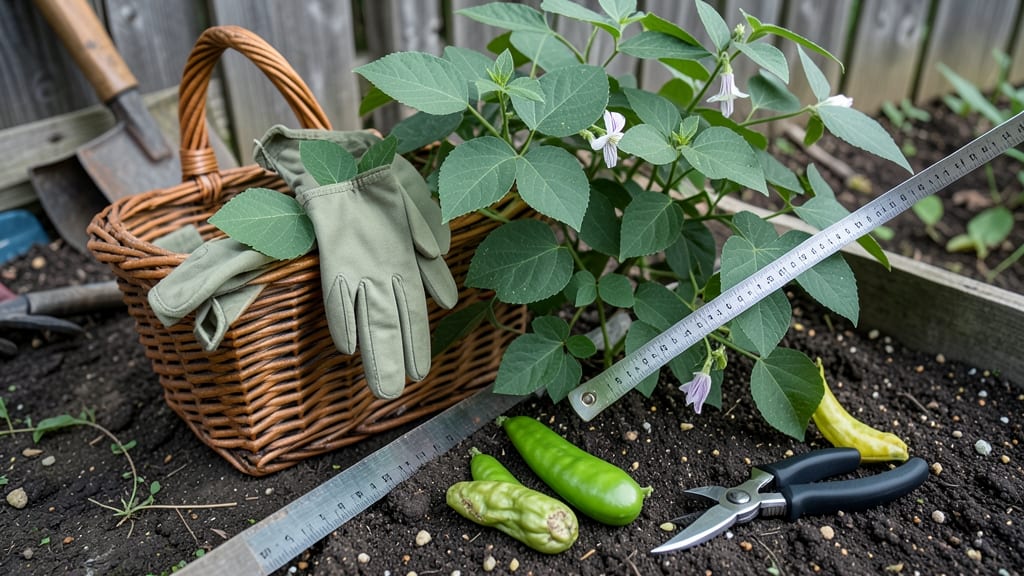
To know when to harvest green beans 🌱, watch for pods that are 4-6 inches long and snap easily when gently squeezed—this is your cue for peak flavor and texture.
Picture this: you’ve been waiting 60 days since planting, and now the pods are plump but still tender. One wrong squeeze, and you’ll miss the sweet spot where they’re crisp and full of flavor. That’s the difference between a fresh harvest and a bland one.
Green beans don’t wait forever—once they start to yellow or the seeds inside grow too big, they go from delicious to tough. The key is checking them every 2-3 days in late July or August, depending on your planting window.
Below, I’ll show you exactly how to test for ripeness without damaging the plant, plus the 3 biggest mistakes that turn a great harvest into a missed opportunity. Let’s make sure your green beans shine!


The 3 key signs your green beans are ready for harvest
Green beans are at their peak when they balance size, texture, and color—like a perfectly ripe fruit. The difference between a crisp, sweet pod and a tough, stringy one often comes down to these 3 visual and tactile cues.
Mastering them will turn your harvest from good to exceptional.
First, consider the variety you’re growing. Snap beans (like Blue Lake) should be harvested when pods are 4-5 inches long and still bright green. Meanwhile, flat beans (like Romano) thrive when they reach 5-6 inches but remain tender. Ignoring these differences can mean missing the sweet spot entirely.
Now, let’s talk about the squeeze test—the gardener’s secret weapon. A ripe green bean should feel firm yet slightly yielding when gently pinched between your thumb and forefinger.
If it snaps cleanly with a slight bend, you’ve got the perfect harvest. But if it resists like a rubber band, it’s overripe.
Here’s the golden rule: never let the seeds inside become too large. When seeds are visible but still small (about 1/4 inch in diameter), that’s your cue to harvest. Larger seeds mean the pod has passed its prime, and the beans will taste bitter or woody.
Color plays a role too, though it’s less critical than size or texture. Uniform green (or the expected color for your variety, like purple for 'Dragon Tongue') means the pods are maturing evenly.
Uneven coloring or yellowing spots? That’s a sign the beans are either underripe or overripe, depending on the shade.
Pro tip: Harvest in the morning when temperatures are cooler. This ensures the pods are at their crispest and most flavorful. Plus, morning harvests give you a full day to enjoy (or preserve) your fresh pickings before they lose their snap.
For bush beans, check pods every 2-3 days starting around 50 days after planting. Pole beans, which take a bit longer (up to 70 days), benefit from weekly checks once they start flowering.
Consistency is key—skipping harvests encourages the plant to produce more flowers, leading to a longer harvest season.
One common mistake? Waiting until the pods are too long. By the time they reach 7-8 inches, they’re often tough and seedy. The sweet spot is 4-6 inches, where flavor and texture are at their peak.
Think of it like picking green apples—you wouldn’t wait for them to turn brown, would you?
Finally, pay attention to the plant’s response. If you see fewer flowers or pods shrinking in size, it might be time to fertilize lightly or check for pests. But if the pods are plump, vibrant, and passing the squeeze test? That’s your all-clear to harvest like a pro.
Now that you know the signs, grab your clippers or scissors (a sharp knife works too) and start harvesting. Your taste buds—and your green beans—will thank you.
How to test green bean ripeness without damaging the plant
Testing green bean ripeness doesn’t require guesswork—just the right touch and timing. The squeeze test is your best friend here, but many gardeners either squeeze too hard (damaging the plant) or too gently (missing the sweet spot).
I’ve learned the hard way that consistent pressure is key, and checking at the right time of day makes all the difference.
Start by examining the pod’s firmness between your thumb and forefinger. A ripe green bean should feel firm yet slightly yielding, almost like a well-ripened cucumber. Apply just enough pressure to feel the pod’s resistance—if it bends slightly with a clean snap, it’s ready.
Too much pressure can bruise the pod, while too little might leave you harvesting underripe beans.
Here’s where most gardeners go wrong: they check pods afternoon heat when they’re naturally softer. Instead, harvest in the early morning (between 7-9 AM) when pods are cool and crisp. This ensures you’re testing their true ripeness, not just their response to heat stress.
Overharvesting (picking too many pods at once) stresses the plant and reduces future yields. Underharvesting (waiting too long) lets pods toughen and seeds enlarge, ruining flavor. The sweet spot? Harvest every 2-3 days for bush beans or weekly for pole beans once they start producing.
Frequency matters just as much as technique. For bush beans, check your plants every 2-3 days starting around 50 days after planting. Pole beans, which mature slightly later (up to 70 days), can be checked weekly once flowering begins.
The key is consistency—skipping harvests signals the plant to produce more flowers, extending your harvest window.
Use the right tools to avoid damage. A sharp pair of pruning shears or scissors (never your hands) cuts cleanly just above the pod’s stem without tearing. I keep a small pair in my gardening apron for quick checks.
If you’re harvesting by hand, pinch the pod gently at the base and twist slightly to avoid pulling the entire stem.
One final tip: pay attention to the plant’s response. If you notice fewer flowers or smaller pods after harvesting, it might need a light fertilizer boost (like a balanced 10-10-10) or more water.
But if the pods keep coming and passing your squeeze test? You’re doing it right—your green beans are ready to shine!
Remember, the perfect green bean is 4-6 inches long, snaps cleanly, and has tiny visible seeds. Master this test, and you’ll never miss the window again. Happy harvesting! 🌿