
How To
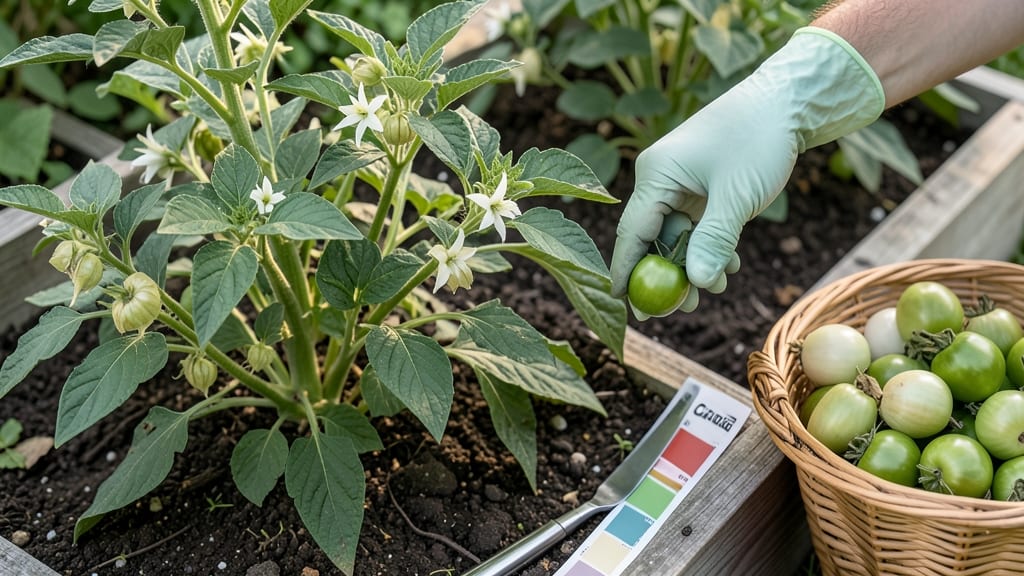
To know when to harvest tomatillos, watch for three key signs: pale green-yellow skin, husks drying at the edges, and a firm yet slightly soft feel when pressed.
Picking too early means bitter, mealy flavors instead of the tangy, puckery goodness you crave in salsas and stews. But with these three foolproof visual cues, you’ll never second-guess when to harvest again.
Tomatillos thrive in USDA Zone 6a from April through September, so timing matters. A quick squeeze test and color check at 75 days after planting ensures peak ripeness.
Below, I’ll break down exactly what to look for, how to avoid common mistakes, and why temperature plays a role in flavor. Ready to harvest perfect tomatillos every time?

3 Visual cues to harvest tomatillos at peak flavor
Tomatillos reach their peak flavor when harvested at just the right moment—before they turn mealy or bitter. Unlike tomatoes, these green husk-covered fruits rely on visual cues rather than color alone.
I’ve learned the hard way that waiting too long ruins their tangy-sweet balance, so here’s how to spot the perfect harvest window every time.
First, understand that harvest timing depends on variety, but most tomatillos follow the same basic rules. The three key indicators—size, color, and texture—work together to tell you when to pick.
Miss these signs, and you’ll end up with overripe tomatillos that lack the crispness and bright acidity salsa lovers adore.
🌱 How to Know When to Harvest Tomatillos
- 1. Size: Aim for 2-3 inches in diameter—about the size of a golf ball. Smaller tomatillos (under 1.5 inches) are still firm and underdeveloped, while larger ones risk mealiness.
- 2. Color: Look for a pale green or yellowish tint (not bright green). Purple-hued varieties like 'Purple de Milpa' should turn dusky purple—never deep or dark.
- 3. Texture: Gently squeeze the tomatillo—it should feel firm but slightly yielding, like a ripe avocado. If it’s rock-hard, it’s too early; if it’s soft or wrinkled, you’ve waited too long.
Let’s break down each cue in more detail. For size, think of a golf ball—that’s your target. Tomatillos won’t grow much larger once they hit this stage, so don’t wait for them to swell beyond 3 inches.
Overripe tomatillos often crack open or develop a dull, papery husk, signaling it’s past prime.
The color shift is your second clue, but it varies by variety. Most common types (like Green de Milpa) turn from bright green to pale green or yellowish.
If your tomatillos are purple-hued varieties, they’ll darken slightly but never turn deep or blackish. A dull husk is a red flag—it means the fruit is drying out.
Texture is where many gardeners go wrong. A ready-to-harvest tomatillo should give just a tiny bit when pressed, like a ripe peach. If it springs back immediately, it’s too early; if it feels mushy or leathery, you’ve missed the window.
Pro tip: Check for slight husk separation—the papery covering should start pulling away from the fruit at the base.
What happens if you wait too long? Overripe tomatillos develop a mealy interior and lose their signature tangy flavor. They’ll also shrink slightly and may split open, inviting pests like fruit flies.
In extreme cases, they’ll rot on the vine, especially in humid climates. I once left mine too long, and they turned into soggy, flavorless blobs—a lesson I won’t repeat!
Harvest in the morning after dew dries for the best flavor retention. Use clean pruners or scissors to snip the stem, leaving a small portion attached to prevent disease.
Store harvested tomatillos in a paper bag in the fridge—they’ll keep for up to 2 weeks, but use them sooner for peak freshness.
Remember, consistency is key. Check your plants every 2-3 days during peak harvest season (usually July-September—depending on your climate). The more you practice these visual cues, the easier it becomes to spot perfect tomatillos. Soon, you’ll be harvesting like a pro, with bold, tangy flavors every time.
Tomatillo color chart: green vs. yellow vs. purple-hued varieties
Not all tomatillos follow the same color rules when it’s time to harvest. While Green de Milpa varieties shift from bright green to pale green or yellowish, purple-hued types like 'Purple de Milpa' darken to dusky purple—never deep black.
Even yellow varieties (like 'Yellow de Milpa') maintain their golden tint but lighten slightly at maturity. Understanding these variety-specific cues prevents you from picking too early or too late.
The key difference lies in how each variety matures. Green varieties rely on a pale green or yellowish tint as their harvest signal, while purple types develop a dusky, almost lavender hue.
Yellow varieties, though rare, stay true to their name but lighten in shade before harvest. These color shifts happen because chlorophyll breaks down as sugars concentrate, signaling peak ripeness.
| Variety | Unripe Color | Mature Color | Harvest Cue |
|---|---|---|---|
| Green de Milpa | Bright green | Pale green/yellowish | Husks dry at edges |
| Purple de Milpa | Dull purple-green | Dusky lavender | Firm but yielding |
| Yellow de Milpa | Golden-green | Light golden | Slight husk separation |
Temperature plays a surprising role in color changes. Cooler USDA Zone 6a climates slow chlorophyll breakdown, so your green varieties might stay brighter longer. In hotter zones, they’ll shift faster—sometimes in as little as 5 days.
Purple types, however, are less affected by heat and maintain their dusky hue even in summer peaks.
Watch for husk changes alongside color shifts. Green varieties develop dry, papery edges on their husks, while purple types show slight browning at the base. Yellow varieties may crack slightly—a sign they’re nearly ready.
These visual cues work together to confirm ripeness, so don’t rely on color alone. I once picked Green de Milpa too early because they looked pale, only to find they were still mealy inside.
Pro tip: Use a flashlight at dusk to check color in shaded plants. Artificial light reveals true hues, especially for purple varieties that can look green under natural light.
Harvest in the morning after dew dries for the most accurate color assessment. The 3-inch diameter rule applies to all varieties, but color remains your best friend for timing.
Remember, overripe tomatillos of any variety develop dull husks and mealy interiors. If you see black spots or shriveling, it’s past prime. The good news? Most varieties stay flavorful for 1-2 weeks after perfect harvest, so don’t stress if you’re just a day late.
Now you’re equipped to spot peak-ripeness color in every tomatillo type—green, yellow, or purple!