
How To
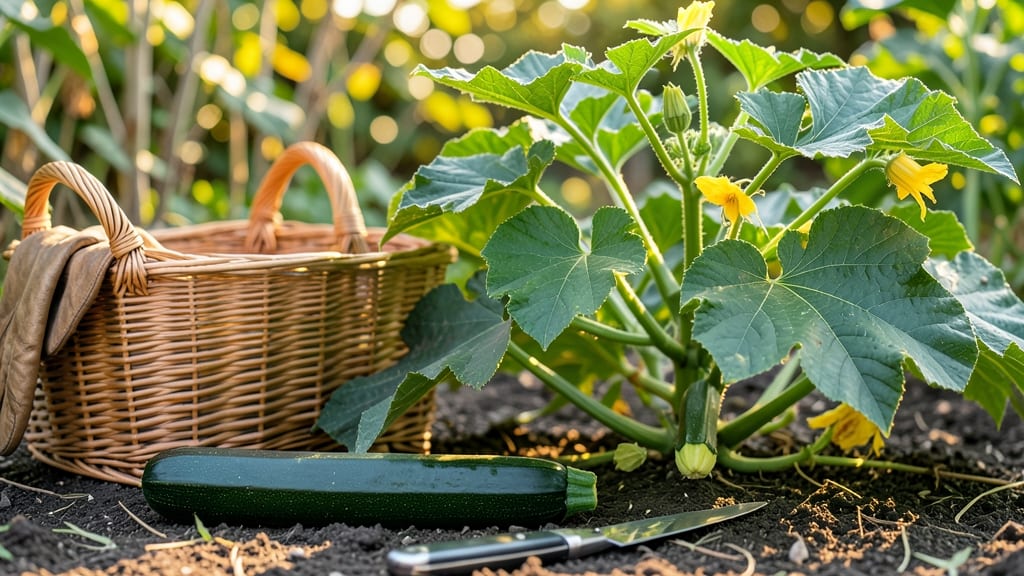
To know when to harvest zucchini 🎃, watch for three key signals: size, skin texture, and blossom cues that transform a bland squash into a garden star.
Picking zucchini too early means bland, seedy flesh—while waiting too long turns them into tough, inedible monsters. Mastering the exact harvest window ensures tender, flavorful squash every time.
Most gardeners miss the sweet spot because they rely on guesswork instead of simple checks. But with the right visual cues—like a 6-8 inch length and firm skin—you’ll never overlook peak ripeness again.
Below, I’ll break down the three foolproof tests to harvest your zucchini at its best, plus how to store them so they stay fresh for days.
3 Visual signs your zucchini is ready to harvest (with photos)
Knowing exactly when to harvest zucchini transforms your garden from a seedling experiment to a flavor-packed harvest. The difference between perfectly tender and woody, seedy squash often comes down to three key visual cues.
I’ve learned the hard way—overripe zucchini can grow into 6-pound monsters that are nearly inedible! Let’s break down the must-check signs before you grab your pruners.
First, focus on size benchmarks. Most zucchini varieties hit peak ripeness at 6-8 inches long. This is your sweet spot for tender flesh and minimal seeds.
If you wait too long, the skin thickens, the texture toughens, and the seeds grow large enough to eat—like a squash-based snack instead of a vegetable. Measure your zucchini regularly starting at 4 weeks after flowering.
Next, examine the skin texture. Ready-to-harvest zucchini has a smooth, firm skin that resists slight pressure but still yields slightly. Run your thumb over the surface—if it feels slightly leathery but not hard, it’s perfect.
Overripe zucchini develops a thick, waxy skin that’s nearly impossible to puncture with your thumbnail. This is your final warning before the squash becomes inedible.
Finally, check the stem color. The stem where the zucchini attaches to the vine should be light green or yellowing. If it’s still bright green, the squash needs more time.
A drying or brown stem means you’ve missed the window—this is a classic sign of overripeness. Pro tip: Harvest in the morning when the skin is cool and firmest.
One of my biggest mistakes was ignoring the color consistency of zucchini. A perfectly ripe squash should have a deep, even green hue with no yellowing or mottling. Uneven coloring often signals uneven ripening, which can lead to bitter patches in the flesh.
I once harvested a zucchini with half green and half yellow—only to discover the yellow side was woody and inedible. Stick to squash with uniform color for the best results.
Pay attention to the blossom end of your zucchini—the opposite end from the stem. If the blossom end is slightly enlarged (about 1/4 inch wider than the rest of the squash), it’s a sign of peak ripeness.
This is where the zucchini’s nutrients concentrate, and it’s a subtle but reliable indicator. I now check this every other day during harvest season to avoid missing the window.
For bush varieties like 'Black Beauty,' harvest when the squash reaches 6-7 inches. For vining types like 'Straight Eight,' wait until 8 inches to ensure full flavor development. Always use a sharp pruner or knife to avoid damaging the vine.
Leave about 1 inch of stem attached—this helps the zucchini last longer in storage and signals the plant to produce more fruit.
If you’re still unsure, compare your zucchini to a store-bought one of similar size. Store-bought squash is often harvested before full ripeness to prevent spoilage, so use it
The thumb test: how to check zucchini ripeness in 5 seconds
Visual cues like size and color help, but the thumb test gives you an instant, science-backed answer. This simple pressure check reveals whether your zucchini is still immature or already past its prime—no guesswork required.
I’ve used this method for years, and it’s saved me from harvesting both underripe and overgrown squash.
Here’s why it works: zucchini skin thickens as it matures. When ripe, the skin resists pressure but still yields slightly—like pressing your thumb into a ripe avocado. Too soft? It’s underripe. Too hard? It’s overripe. This tactile method is especially useful when visual cues are misleading, like with pale-skinned varieties.
Ready to master this trick? Here’s how to perform the thumb test in just 5 seconds—no tools or experience needed.
- 1 Locate the stem: Find the spot where the zucchini connects to the vine. This is your pressure point.
- 2 Press firmly: Use your thumbnail to apply pressure to the stem area. Aim for about 5 seconds of steady pressure.
- 3 Check the yield: If your thumbnail leaves a slight dent but the skin doesn’t puncture, it’s ripe and ready. No dent? Wait 1-2 days. Deep puncture? Harvest immediately or compost.
- 4 Verify with size: Cross-check with length. A zucchini that passes the thumb test should be 6-8 inches long. Smaller? Give it more time.
- 5 Harvest with care: Use a sharp knife or pruners to cut the zucchini 1 inch from the vine. Avoid tearing the stem to prevent disease.
The thumb test works because zucchini skin contains cellulose fibers that strengthen as the fruit matures. When ripe, these fibers create just enough resistance to your thumbnail—like a ripe peach’s flesh. Overripe zucchini develop lignin, a tough compound that makes them woody and inedible.
Trust this method over visual cues alone, especially in shady conditions or with pale varieties. For example, my ‘Eight Ball’ zucchini often fools me with its light skin, but the thumb test never fails. Pro tip: Test multiple squash on a plant—they ripen at slightly different rates.
Once you’ve mastered the thumb test, you’ll never again wonder, “Is this zucchini ready?” Instead, you’ll harvest at the perfect moment—when flavor and texture peak. Happy harvesting! 🎃