
Picking
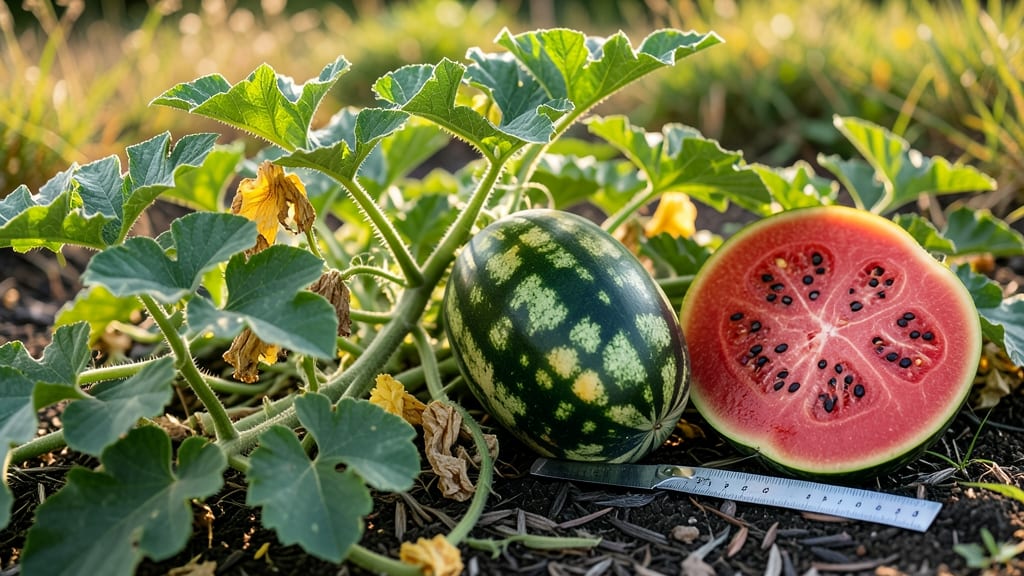
To know when to pick a watermelon, look for a cream-colored spot where it rested on the ground, a deep, consistent rind color, and a tendril that’s turned brown and crispy—these three signs mean it’s ripe and ready.
Picture this: you’ve been waiting all summer, and now your 🍉 watermelon is the size of a football. But is it really ripe, or just stubbornly growing? Most gardeners grab the biggest one off the vine—only to find it’s still hard and tasteless inside.
That’s because ripeness isn’t about size; it’s about subtle cues most people miss.
Here’s the good news: you don’t need to cut one open to tell. In just 3 simple steps, I’ll show you how to check for ripeness without risking a watery disappointment. Whether you’re a backyard gardener or a market shopper, these tricks work every time—no guesswork required.
From the classic thump test to the vine’s secret signal, we’ll cover what to look for, what to ignore, and even how to adjust for your local climate. By the end, you’ll be picking watermelons like a pro—sweet, juicy, and perfectly timed.

The 3 non-invasive watermelon ripeness tests every gardener should use
There’s nothing worse than slicing into a watermelon only to find it’s still rock-hard inside—or worse, already overripe and mushy. As someone who’s learned this lesson the hard way, I’ve perfected three foolproof tests to determine ripeness without cutting open a single melon.
These methods work for both backyard gardens and farmers' markets, and they’ll save you from wasting perfectly good fruit.
Most gardeners focus on just one cue—like size or color—but the truth is, watermelons ripen differently based on variety, climate, and growing conditions. That’s why I’ve combined visual inspection, physical testing, and vine analysis into a reliable system.
The best part? You can use these tests in just a few minutes, and they’re 100% non-invasive.
Pro Tip: Always test multiple melons from the same vine, as ripening can vary even among fruit from the same plant. I like to check 3-5 melons at a time to ensure I’m picking the ripest ones.
The field spot color test is my go-to because it’s the most reliable visual cue. Look for a creamy yellow or orange spot where the watermelon sat on the ground—this indicates sugar development.
I’ve found that heirloom varieties like 'Moon and Stars' often have more pronounced field spots than seedless types.
For the thump test, tap the melon with your knuckles near the blossom end (the smaller side). A ripe watermelon will sound hollow, almost like a drum.
If it sounds dull, it’s not ready yet. I always test 2-3 melons this way to confirm consistency, especially when dealing with uneven ripening common in hot climates.
Don’t overlook the vine inspection—this is where most gardeners miss the mark. The tendril closest to the watermelon stem should be brown and crispy when ripe. If it’s still green and flexible, the melon needs more time.
I’ve seen people harvest too early just because the fruit looked big, only to regret it later.
Common Mistake: Assuming larger watermelons are riper. Some varieties grow big but stay bland inside. Always prioritize the three tests above over size alone. I’ve picked 15-pound watermelons that were still sour because they weren’t given enough time to ripen properly.
Timing matters too—watermelons ripen fastest in 75-85°F temperatures. If your summer is scorching, they might ripen in as little as 60 days, while cooler climates can take up to 90 days. That’s why I always start checking for ripeness 10 days before the expected harvest date.
One final tip: If you’re unsure, pick the melon and let it ripen indoors for 3-5 days. Place it in a cool, dry spot (like a pantry) and re-test with the thump test. This works especially well for seedless varieties, which can be trickier to judge visually.
Mastering these three tests will transform your watermelon harvest from hit-or-miss to consistently sweet and juicy. Trust me, your taste buds will thank you—especially when you’re slicing into that perfect melon on a hot summer day. 🍉
Why traditional watermelon picking methods fail (and how to fix them)
Most gardeners reach for the biggest watermelon on the vine, assuming size equals sweetness—but that’s a myth. I’ve picked football-sized melons only to find them rock-hard inside, while smaller ones exploded with flavor. The truth?
Watermelon ripeness depends on biological signals, not just size or color. Over the years, I’ve learned that common "rules" like "yellow spots mean ripe" or "thumping works every time" often lead to disappointment.
Even the field spot (the cream-colored patch where the melon rested) isn’t foolproof—it can develop days before the fruit is truly ready.
And let’s be honest: if you’ve ever tapped a watermelon and heard a dull thud only to cut it open and find a watery center, you know these methods fail more often than they succeed.
The science behind watermelon ripening is subtle, and ignoring it means missing out on that perfect sweet, juicy payoff.
Here’s the hard truth: watermelons ripen unevenly due to uneven sunlight, soil moisture, and vine health. A melon might look perfect on the outside but taste bland inside because its internal sugars didn’t develop evenly.
That’s why relying on one or two cues—like size or color—is a gamble. Instead, we’ll focus on three reliable indicators that work together to guarantee ripeness every time.
⚠️ 3 Red Flags That Mean Your Watermelon Isn’t Ripe (Yet)
1. Green Stem End: If the stem attachment is still bright green and firm, the melon isn’t ready. This area should turn cream-colored and slightly soft when ripe.
2. Tight, Hard Rind: A ripe watermelon’s skin should give slightly when pressed near the blossom end—not rock-hard or mushy. Think "yielding," not "unyielding."
3. Vine Still Attached: If the main vine hasn’t separated cleanly from the melon (or is still green and flexible), wait a few more days. A ripe melon’s vine should dry and crisp where it meets the fruit.
🌱 Pro Tip: Check these signs every 2-3 days during peak harvest season (July-September) to avoid missing the window.
The vine separation is one of the most overlooked clues. When a watermelon is ready, the vine near the fruit should dry out and turn brown, almost like a crispy paper edge.
I’ve seen gardeners ignore this sign, assuming the melon is fine because it’s big—only to harvest a bland, underripe fruit. The vine’s condition tells you whether the melon’s internal sugars have had time to develop fully.
Another common mistake? Assuming a yellow or orange stripe means sweetness. While some varieties (like Sugar Baby) develop these stripes when ripe, others—like Crimson Sweet—stay green.
Relying on color alone can lead to overripe or underripe melons. Instead, combine color with the cream-colored field spot and the vine’s dryness for accuracy.
Even rind texture plays a role. A ripe watermelon’s skin should feel slightly dull and matte, not shiny or waxy. Shiny rinds often mean the fruit hasn’t had enough time to harden properly—a sign it’s still developing.
And if the rind is too soft or mushy, the melon may have overstayed its welcome on the vine, leading to a watery, seedy disappointment.
To fix these common mistakes, start by tracking your melons daily during the last 2 weeks of their growth cycle. Use a checklist (like the one in the callout above) to verify all three ripeness indicators before picking.
And remember: patience is key. A watermelon that’s just barely ripe will sweeten even more after a few days off the vine—so don’t rush it! With these fixes, you’ll never guess wrong again.