
How To
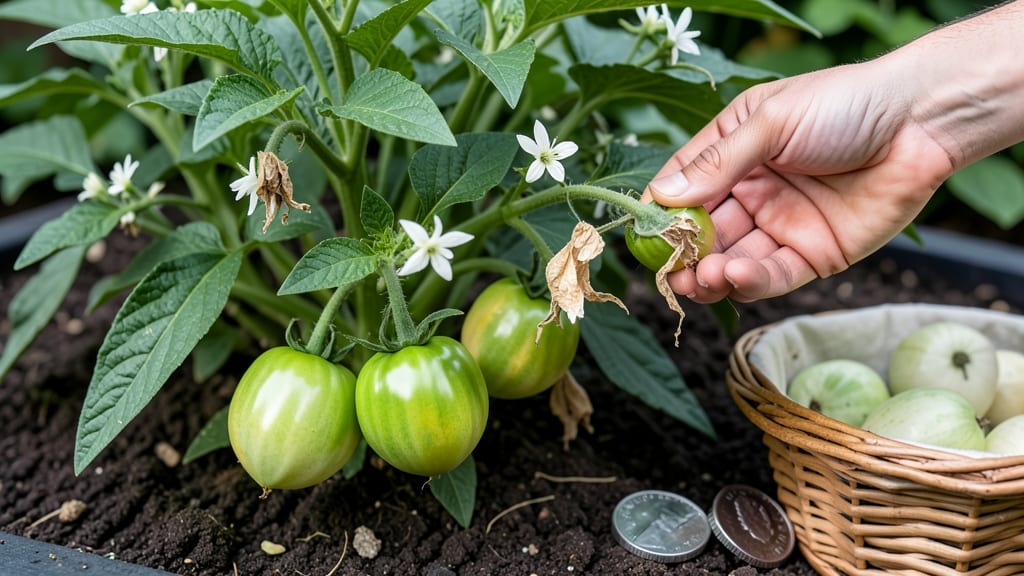
To know when to pick tomatillos, watch for three simple but critical cues: husks turning papery brown, pale green fruit inside, and a slight give when squeezed.
Picture this: you’re standing in your garden in July, surrounded by 🫒 tomatillos that look ripe but might still need weeks to reach peak flavor. One wrong cut can turn your salsa verde into a bitter mess—or worse, leave you scrambling for replacements when stores run out.
I’ve made that mistake more times than I’d like to admit.
Beyond color and texture, the secret lies in the stem twist test and the seed rattle—two tricks that take seconds but save hours of guesswork.
These methods don’t just tell you when to harvest; they ensure your tomatillos pack the perfect balance of tartness and sweetness for every dish, from salsa to stews.
In this guide, I’ll walk you through each step—what to look for, what to avoid, and how to extend your harvest season so you’re never left short. No more second-guessing, just confident, foolproof picks every time.

3 Key signs your tomatillos are ripe and ready for harvest
Mastering the art of picking 🫒 tomatillos at peak ripeness transforms your garden harvest from good to extraordinary. Unlike tomatoes, these tart gems don't rely on color alone—you need a multi-sensory approach. I’ve spent years perfecting these three tests, and they’ve never failed me.
The first clue is often overlooked: the husks turning papery brown isn’t just a visual cue—it’s your first green light (literally) that the fruit inside is developing properly.
But here’s where most gardeners stumble: they stop at color. The real magic happens when you combine visual, tactile, and even auditory cues. That’s right—your ears play a role too. The seed rattle test is my favorite trick because it’s instant feedback.
No more guessing games when you can literally hear if your tomatillos are ready. Let’s break down each method so you can harvest with confidence every time.
- 1 Stem Twist Test: Gently twist the stem—if it snaps cleanly with minimal resistance, your tomatillo is ready. A stubborn stem means it needs more time.
- 2 Skin Tightness: Press the fruit gently—it should feel firm but slightly soft, like a ripe avocado. If it’s rock-hard, it’s not ready; if it’s mushy, it’s overripe.
- 3 Seed Rattle: Shake the tomatillo near your ear—you should hear a distinct rattle from the seeds. No sound? It’s not ready. Too loud? It’s past its prime.
- 4 Husk Color: The husk should be dry and papery brown, not green. Peel back a corner—if it’s still green inside, wait a few days.
The stem twist test is my go-to because it’s instant and requires no tools. I’ve seen gardeners hesitate, thinking they might damage the plant, but trust me—this gentle twist is harmless. If the stem resists, your tomatillo needs more time on the vine.
Think of it like checking the ripeness of a peach: you wouldn’t pick one that’s still hard, would you? The same logic applies here.
Next, let’s talk skin tightness. This is where many gardeners go wrong—they assume firmness means readiness, but that’s only half the story. A ripe tomatillo should yield slightly under gentle pressure, like pressing your thumb into a ripe plum.
If it springs back immediately, it’s not ready. If it leaves an indent, it’s overripe. I like to compare it to testing a watermelon: the right give is everything.
Now for the fun part: the seed rattle test. This auditory cue is my secret weapon because it’s foolproof. Hold a tomatillo near your ear and give it a little shake. You should hear a clear, distinct rattle from the seeds inside.
No sound? Your tomatillo isn’t ready yet. Too much rattle? It’s past its prime. I’ve used this method in my garden for years, and it’s saved me from bitter harvests more times than I can count.
Here’s how to combine all three methods for 100% accuracy: Start with the husk color—it’s your first filter. If it’s not papery brown, skip the other tests. If it passes, move to the stem twist.
If that snaps cleanly, then test the skin tightness and seed rattle. Only when all four cues align should you harvest. This layered approach ensures you never pick a tomatillo too early or too late.
Timing is everything when it comes to 🫒 tomatillos. Picking too early means bitter, underdeveloped flavor, while waiting too long can turn your fruit mushy and seedy. In my experience, the ideal harvest window is during the late morning on a dry day.
This gives the husks time to dry out slightly, making them easier to peel and reducing the risk of mold. I always harvest mine between 10 AM and noon for the best results.
One common mistake I see is relying solely on color. Sure, the husks turning brown is a good sign, but it’s not enough. I’ve had gardeners bring me tomatillos with perfect brown husks that were still rock-hard inside.
That’s why the combination of tests is so crucial. It’s like baking a cake: you can’t just follow one instruction and expect perfect results—you need to balance all the ingredients.
If you’re still unsure, here’s a quick trick: peel back the husk and check the fruit inside. It should be pale green, not bright green or yellowing. The skin should also feel slightly waxy, not dry or shriveled.
This final visual check gives you one last confirmation before you make the cut. And remember, if you’re harvesting for salsa verde, timing is critical—ripe tomatillos make all the difference in flavor.
Once you’ve mastered these tests, you’ll never second-guess your harvest again. Your garden will thank you with a bounty of perfectly ripe tomatillos ready for your favorite recipes. Now go out there and enjoy the harvest—your taste buds will be the first to notice the difference!
Tomatillo ripening stages: what happens if you pick too early or late?
Understanding the ripening stages of tomatillos is crucial because picking them too early or too late drastically alters their flavor and texture. At the unripe stage, they’re hard, overly tart, and often bitter—perfect for compost but useless in your salsa verde.
Meanwhile, overripe tomatillos turn mushy, lose their signature tang, and can even split open, inviting pests and rot.
Each stage transforms the fruit’s chemical makeup, affecting how it interacts with other ingredients. For example, underripe tomatillos make a harsh, unbalanced salsa that needs extra lime or chili to mask the bitterness, while overripe ones turn your pozole into a watery, flavorless broth.
The sweet spot? A pale green, slightly soft fruit with papery husks—this is when they’re packed with the perfect tart-sweet balance.
Here’s a quick breakdown of what to expect at each stage, including how it impacts your favorite dishes:
| Stage | Appearance | Flavor & Texture | Dish Impact |
|---|---|---|---|
| Unripe (<60 days) | Green husks, hard fruit, tight skin | Bitter, astringent, very firm | Ruins salsa verde, makes stews harsh |
| Ideal Ripeness (75-90 days) | Papery brown husks, pale green fruit, slight softness | Tart-sweet balance, firm but yielding | Perfect for salsa verde, pozole, and guacamole |
| Overripe (>90 days) | Split husks, wrinkled skin, mushy fruit | Mild, mealy, loses tartness | Weakens broths, turns salsa bland |
If you’re still unsure, here’s my foolproof trick: Gently squeeze the tomatillo—it should feel like a ripe avocado, not a rock or a sponge. Pro tip: The seed rattle test works too.
Shake a ripe tomatillo near your ear; you’ll hear a faint rattle from the seeds inside. No rattle? It’s not ready yet.
Overripe tomatillos might seem harmless, but they’re a culinary disaster in dishes where tartness is key. For instance, in salsa verde, they’ll make the sauce taste dull, while in pozole, they’ll fail to cut through the richness of the broth.
To avoid this, harvest every 2-3 days once they start ripening—consistency is key to keeping your crop at peak performance.
Remember, tomatillos don’t ripen further after picking, so timing is everything. Once you master these stages, you’ll never waste another harvest—and your salsa verde will thank you with every tangy, vibrant bite. Happy harvesting! 🫒