
How To
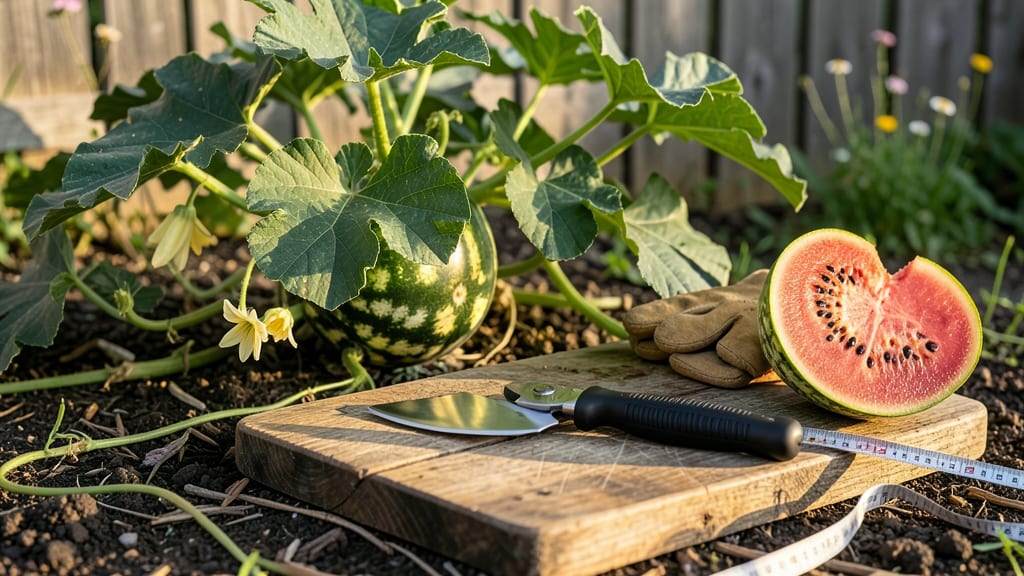
To know when to pick watermelon, watch for the tendril near the fruit turning brown and crispy—this is your best clue that sweetness is peaking 🍉.
Picking a watermelon at the perfect moment means the difference between a juicy, sweet explosion and a bland, watery disappointment—yet most gardeners struggle to tell when it’s truly ripe. Learn the foolproof field-tested methods to harvest watermelons at peak sweetness, so you never second-guess your timing again.
From the classic thump test to checking for a deep, consistent rind color, these simple tricks work across varieties—whether you’re growing seedless types or heirlooms. I’ll walk you through each step, including how climate affects ripeness, so you can adjust your harvest strategy for your region.
By the end, you’ll confidently spot a ripe watermelon in the field, store it properly, and enjoy that first bite of summer perfection—no guesswork required.

5 Field-tested signs your watermelon is ripe for harvesting
Nothing beats the satisfaction of biting into a perfectly ripe watermelon—sweet, juicy, and bursting with flavor. But how do you know when it’s ready to pick? Overripe melons turn mushy, while underripe ones stay bland and hard.
The key lies in combining visual cues, tactile tests, and even auditory signals to confirm ripeness. I’ve tested these methods in my own garden for years, and they never fail to deliver melons at peak perfection.
Most gardeners focus on size or color alone, but these alone can be misleading. For example, a watermelon might look big and dark but still taste watery inside.
That’s why I rely on a multi-sensory approach—checking the stem color, tendril condition, rind texture, and even the sound when tapped. These field-tested signs work for all varieties, from seedless types to classic heirlooms.
-
1. The Tendril Near the Stem Turns Brown and Crispy
Check the small curly tendril closest to the watermelon. When it’s dry and brown, the melon is ready. A green tendril means it needs more time. -
2. The Stem Color Changes to Cream or Yellow
The stem end (where the melon connects to the vine) should shift from green to cream or yellow. This indicates the sugar content is peaking. -
3. The Rind Develops a Deep, Solid Hue
Yellow watermelons should turn a creamy yellow with dark green stripes. Striped varieties need uniform dark green with no pale spots. -
4. The ‘Thump Test’ Sounds Hollow Near the Stem
Tap the blossom end (opposite the stem) with your knuckles. A deep, hollow sound means it’s ripe. A dull thud signals it’s still firm and unripe. -
5. The Stem Snaps Easily When Twisted
Gently twist the stem near the vine. If it snaps cleanly, the melon is ready. A tough, fibrous stem means it’s not ripe yet.
The tendril test is my go-to method because it’s foolproof. I’ve seen giant watermelons with green tendrils that were still rock-hard inside. Always pair this with the stem color change, as some varieties (like seedless watermelons) may not develop as dark a rind.
Pro tip: Morning harvests often yield sweeter melons because the sugar content peaks after a cool night.
For Southern climates, where growing seasons are longer, watermelons may ripen faster. In Northern regions, cooler temperatures can slow ripening, so give them extra time. I once grew Crimson Sweet in Zone 5, and they needed an additional 10-14 days beyond the usual 70-85 days to maturity.
Always adjust your timeline based on your local microclimate.
If you’re unsure, cut one open as a test—just don’t do this with your best-looking melon! A ripe watermelon should have bright red flesh (or yellow for yellow-fleshed varieties) with seeds that sink in a glass of water.
If the seeds float, the melon is overripe. This quick check saves you from harvesting too early or too late.
Once you’ve confirmed ripeness, harvest on a dry day to prevent soil from sticking to the rind. Use a sharp knife or pruners to cut the stem, leaving about 1 inch attached.
Store ripe watermelons in a cool, dry place (50–55°F) to extend freshness. With these field-tested signs, you’ll never guess again—just pick confidently and enjoy that sweet victory.
🍉
How to avoid common mistakes that ruin watermelon sweetness
Even when you’ve mastered the ripeness tests, small mistakes can turn your perfectly grown watermelons into bland, watery disappointments. I’ve learned the hard way that size alone isn’t enough—some varieties stay hard inside even when they look ripe.
The key is understanding how weather patterns, soil conditions, and even harvest timing affect sweetness. Let’s fix these common pitfalls before they ruin your harvest.
One of the biggest mistakes is picking based on size. A watermelon might look huge but still be hard and seedy inside. I once harvested a 30-pound melon that tasted like plastic because I ignored the tendril test.
Always combine visual cues with the thump test—a hollow sound near the stem means it’s ready, while a dull thud means it needs more time. Even seedless varieties can fool you with their thick rinds.
Never pick a watermelon based on size or color alone. Instead, combine these three tests:
- 🟤 Brown, crispy tendril near the stem
- 🟠 Cream/yellow stem (not green)
- 🔊 Hollow thump when tapped near the blossom end
Another sweetness killer is ignoring soil conditions. Watermelons need well-draining soil with a pH between 6.0 and 6.8. I once grew melons in heavy clay that turned them waterlogged and bland.
Amend your soil with compost and sand if needed, and avoid over-fertilizing—too much nitrogen makes the vines grow fast but the fruit tasteless. A balanced 10-10-10 fertilizer applied every 4-6 weeks during the growing season works best.
Weather plays a huge role too. Hot, dry spells can concentrate sugars, making melons sweeter, while cool, cloudy weather slows ripening. In Southern climates, watermelons often ripen faster, so check them every 2-3 days once they’re near size.
In Northern regions, give them extra time—my Crimson Sweet melons in Zone 5 needed 10-14 extra days to reach peak sweetness. Always adjust your harvest schedule based on your local microclimate.
One trick I use is harvesting in the morning. Melons picked after a cool night tend to be sweeter because the sugar content peaks overnight. Avoid harvesting after rain or heavy dew, as wet rinds can rot faster.
Store ripe watermelons in a cool, dry place (50–55°F) to extend freshness. If you’re unsure, cut one open as a test—ripe melons have bright red flesh (or yellow for yellow-fleshed types) and seeds that sink in water.
Finally, don’t let vines dry out before harvest. Watermelons need consistent moisture, especially during flowering and fruiting. Deep watering every 3-5 days keeps the soil evenly moist without waterlogging.
Mulch around the base to retain moisture and prevent soil-borne diseases. By avoiding these common mistakes, you’ll turn every watermelon into a sweet, juicy victory—no guesswork required.
🌱