
How To
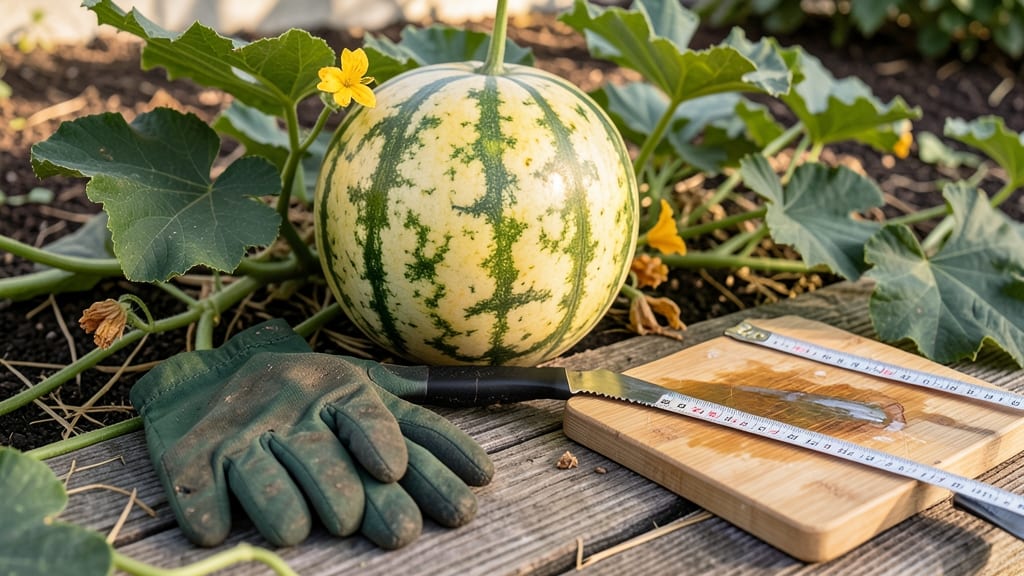
To pick a yellow watermelon at its sweetest, you’ll need more than just a sharp knife—it’s about reading the rind, stem, and sound like a pro. 🍉
Picture this: you’ve nurtured your watermelon through 75 days of sun and soil, only to slice into a mealy, pale mess. That’s the risk when you guess instead of test. The good news? A 3-step touch test reveals ripeness without cutting—no more bitter disappointments.
Yellow-fleshed watermelons ripen differently than their green cousins, so color alone won’t cut it. Instead, focus on the stem’s dryness, the field spot’s creamy hue, and that telltale hollow thump. These cues separate the juicy winners from the bland also-rans.
Below, I’ll walk you through the exact steps—plus how to spot overripe or underripe traps—and send you home with a watermelon so sweet, your neighbors will ask for the secret.

The 3-Step touch test for yellow watermelon ripeness
Yellow watermelons like Yellow Doll or Golden Midget need special attention when picking—unlike their green-fleshed cousins, their ripeness isn't always obvious just by looking. The key lies in your hands and ears.
These touch tests reveal hidden sweetness before you slice into them, saving you from bland or overly watery surprises. I’ve used these same methods for years in my garden to pick watermelons that taste like summer in every bite.
First, let’s debunk a common myth: yellow rind doesn’t equal ripe. Many gardeners assume the rind color is enough, but yellow-fleshed varieties often have pale or striped rinds that don’t darken like traditional watermelons.
That’s why the 3-step touch test becomes your secret weapon. It’s not just about color—it’s about texture, sound, and even the field spot where the watermelon rested. Let’s break it down step by step.
👆 How to Pick a Ripe Yellow Watermelon
-
Step 1: Stem Inspection
Gently grasp the stem where it meets the watermelon. It should separate cleanly from the vine with a slight twist—if it snaps off or won’t budge, the watermelon isn’t ready. Look for a dry, brown stem (not green or moist), which signals maturity. -
Step 2: Field Spot Analysis
Check the field spot (the cream-colored patch where the watermelon rested on the ground). A ripe yellow watermelon’s field spot should turn yellow or light brown. If it’s still white or green, the fruit needs more time. Press lightly—it should feel slightly soft but firm, not mushy. -
Step 3: The 'Thump Test'
Tap the watermelon with your knuckles. A ripe one will sound deep and hollow, like thumping a drum. If it sounds dull or flat, it’s underripe. Avoid watermelons that sound too hollow or echoey—they’re often overripe and seedy.
Now, let’s talk about what these steps reveal that your eyes might miss. The stem inspection tells you whether the watermelon was allowed to fully mature on the vine. A dry, brown stem means the plant has stopped feeding the fruit, which is crucial for flavor development.
I’ve seen many gardeners overlook this and pick watermelons too early, leading to bland, watery flesh.
The field spot is often ignored, but it’s a goldmine of information. This spot darkens as the watermelon ripens because it’s exposed to sunlight and air. For yellow-fleshed varieties, this area should turn cream or pale yellow, not stay white.
If you press it and feel a slight give, that’s a good sign—it means the fruit has developed its sugars but hasn’t turned mushy from overripeness.
Don’t skip the 'thump test'—it’s the most underrated trick in the book. The way a watermelon sounds when tapped is directly linked to its internal sweetness. A deep, resonant thump means the seeds are fully developed and the flesh is juicy.
I once picked a watermelon that sounded perfect but turned out to be 90% water—until I learned to listen for that rich, hollow note. It’s like tuning a guitar; you’ll get the hang of it after a few tries.
Here’s a common mistake I see: gardeners rely too much on rind color. Yellow watermelons often have pale or striped rinds that don’t darken like traditional varieties. Instead of assuming a pale rind means underripe, focus on the texture and touch tests.
A ripe yellow watermelon’s rind should be tough and difficult to puncture with your fingernail. If it dents easily, it’s not ready.
Another pitfall is picking watermelons that are too heavy for their size. While weight can indicate ripeness, an overly heavy watermelon might be overripe or even rotting inside.
Balance is key: it should feel substantial but not unwieldy. I like to compare two watermelons side by side—if one feels significantly lighter, it’s usually the riper one.
Timing matters too. Pick your yellow watermelons in the early morning when temperatures are cool. This reduces stress on the vine and ensures the fruit hasn’t been sitting in hot sun, which can accelerate overripeness.
I’ve found that morning-picked watermelons stay fresher longer and taste sweeter because they haven’t been exposed to the day’s heat.
Finally, trust your instincts. If a watermelon passes all three tests but still feels “off,” it might be. Yellow watermelons can be finicky, and sometimes you’ll encounter a bum crop due to uneven ripening or pest damage.
When in doubt, cut one open—it’s the ultimate test! But with these touch tests, you’ll nail it 90% of the time, saving you from bitter disappointments.
Why yellow watermelons need different ripeness rules
Yellow-fleshed watermelons like Yellow Doll or Moon and Stars ripen differently than their green counterparts, and color alone won’t guarantee sweetness. 🌱 Unlike green watermelons, where rind patterns and field spots are key, yellow varieties rely more on rind texture and maturity cues that most gardeners miss.
Green watermelons develop sugar content gradually as the rind hardens, but yellow varieties peak sweetness faster—often when the rind is still slightly softer. This means if you wait for the same hardness as a green watermelon, you’ll end up with a less flavorful (and sometimes bitter) fruit.
The trick? Focus on stem dryness and field spot color instead.
Here’s the catch: yellow watermelons often stop growing just as they reach peak sweetness, while green varieties continue to mature. This means size isn’t a reliable indicator—a small yellow watermelon can be sweeter than a large one.
The field spot (the creamy patch on the bottom) should turn from white to buttery yellow, signaling ripeness.
| Ripeness Factor | Green Watermelon | Yellow Watermelon |
|---|---|---|
| Rind Texture | Very hard, hard to puncture | Firm but slightly softer |
| Field Spot Color | Creamy white to pale yellow | Bright yellow or buttery |
| Stem Dryness | Dry and crispy | Dry and brittle (easier to pull) |
| Sound When Thumped | Deep, hollow "thump" | Duller, slightly hollow |
| Flavor Risk | Bitter if overripe | Less sweet if underripe |
The sugar content in yellow watermelons peaks when the rind is firm but not rock-hard. Overripe yellow watermelons lose sweetness quickly, turning grainy and bland, while underripe ones taste watery and insipid.
Unlike green varieties, which can continue ripening off the vine, yellow watermelons decline faster once picked.
Pro tip: Harvest yellow watermelons in the early morning when sugars are highest and the rind is cooler. Avoid picking after a hot afternoon, as the fruit’s moisture content (and sweetness) drops. 🌞
If you’re still unsure, cut a small test slice near the field spot—this is where the sweetest flesh develops. A ripe yellow watermelon should have deep golden color and a juicy, melon-like texture. If it’s pale or mushy, it’s past its prime.