
Picking
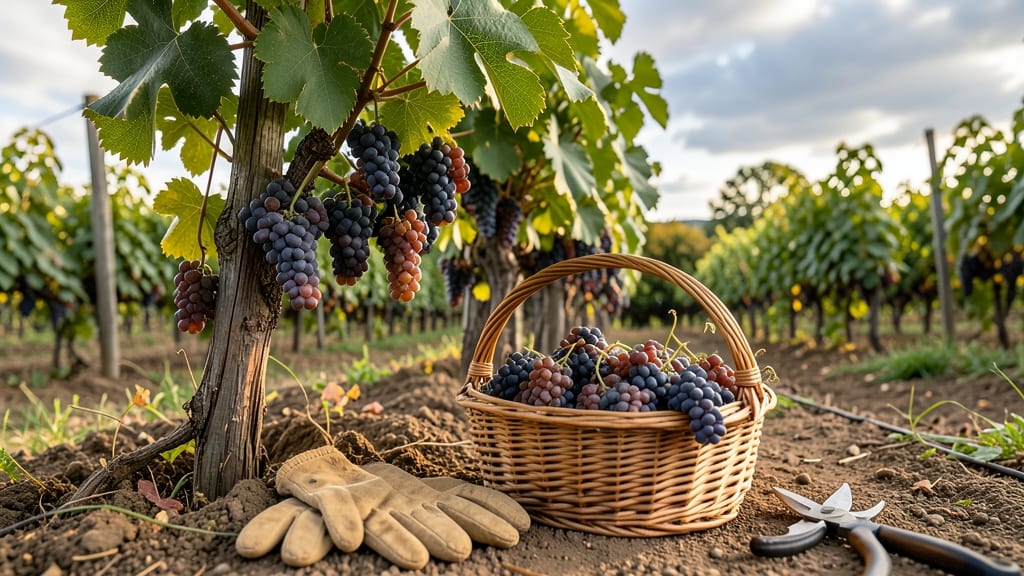
Harvesting muscadine grapes at the right time means sweet, juicy fruit that’s perfect for eating fresh, jams, or wine — and missing it means tough, seedy grapes that spoil fast.
Here’s the secret: wait until the berries shift from green to deep purple or bronze, and give them a gentle squeeze. If they dent slightly but don’t bruise, that’s your cue.
I’ve learned the hard way that picking too early leaves you with bland grapes, while waiting too long risks frost damage in cooler zones.
In USDA Zones 7-10, most vines ripen between late August and October, but your local climate plays a big role. Coastal areas like Georgia and South Carolina often harvest earlier, while inland spots in Texas might drag into November.
The key is watching those color changes and seed softness—no guesswork needed.
Below, I’ll break down the exact signs to watch for, regional timing tips, and how to handle your harvest once it’s ready. Trust me, getting this right makes all the difference!

When to harvest muscadine grapes: berry color & seed softness guide
Harvesting muscadine grapes at the perfect moment transforms your vineyard into a treasure trove of sweet, juicy fruit. But timing is everything—pick too early, and you’ll get tart, seedy grapes with minimal flavor.
Wait too long, and they’ll overripen, shrivel, or fall to the ground. The secret lies in two simple but crucial tests: berry color and seed softness.
Muscadine grapes start their life as bright green berries in early summer. As they mature, they undergo a dramatic color transformation—shifting from green to shades of purple, bronze, or deep black, depending on the variety.
This isn’t just a visual spectacle; it’s your first clue that the grapes are nearing harvest-ready ripeness. But color alone isn’t enough to guarantee peak flavor.
📋 Summary Table: Muscadine Grape Harvest Indicators
The seed softness test is where things get scientific—and delicious. When muscadine grapes are perfectly ripe, their seeds should crush easily between your fingers. This isn’t just about texture; it’s a sign that the sugars have fully developed and the acidity has mellowed.
To test, gently squeeze a grape between your thumb and forefinger. If the seed gives way like a ripe peach pit, you’re in the harvest sweet spot.
But here’s the catch: regional climate impacts everything. In hotter southern states like Georgia or Mississippi, grapes may ripen faster due to longer growing seasons and intense sunlight. Meanwhile, in cooler coastal areas like South Carolina’s Grand Strand, grapes might take 2-3 weeks longer to reach peak ripeness.
Always adjust your harvest timeline based on your local last frost date and summer heat patterns.
Don’t overlook the weather forecast either. If a heatwave is coming, harvest sooner—grapes can overripen quickly in extreme heat. Conversely, if cool nights are predicted, wait a few days to let the sugars fully develop.
Pro tip: Harvest in the early morning when grapes are cool and hydrated, ensuring the best flavor and texture.
Once you’ve confirmed ripeness, it’s time to harvest with care. Use clean pruning shears or sharp scissors to cut grape clusters from the vine, leaving a small stem attachment to preserve freshness.
Avoid pulling grapes directly off the vine, as this can damage the fruit and spread disease. Place harvested grapes in shaded, well-ventilated containers to prevent bruising.
After harvest, store muscadine grapes in the refrigerator for up to 2 weeks or freeze them for longer-term use. For immediate enjoyment, enjoy them fresh, in homemade jams, or as a refreshing addition to salads.
Remember, the earlier you harvest, the more tart and seedy the grapes will be. But if you time it just right, you’ll be rewarded with bursting sweetness and a perfectly balanced flavor.
🍇 Now that you’ve mastered the art of harvest timing, your muscadine grapes will be the star of your garden—and your table.
Muscadine grape harvest timeline by region: southern US specifics
Muscadine grapes thrive across the Southern US, but harvest timing varies dramatically by state. In North Carolina, for example, coastal areas like Wilmington may start as early as late August, while inland regions like the Piedmont often wait until mid-September.
These differences stem from microclimates, elevation, and proximity to the Atlantic Ocean. I’ve found that checking local USDA frost dates is my first step—knowing when the first frost hits helps me plan my harvest window to avoid losing fruit to cold snaps.
For South Carolina and Georgia, harvest typically peaks in early to mid-September, with some late varieties extending into October. These states benefit from long, hot summers that accelerate ripening.
However, I’ve seen early frosts sneak in during September, especially in the Upstate South Carolina and northern Georgia mountains. That’s why I always monitor weather forecasts and adjust my harvest schedule accordingly.
| State | Average Harvest Window | Frost Risk Period | Adjustment Tips |
|---|---|---|---|
| North Carolina | Late August - Early October | Mid-October (coastal), Early October (inland) | Harvest coastal varieties first; monitor inland areas for early frost. |
| South Carolina | Early September - Mid-October | Late September (Upstate), Mid-October (coastal) | Prioritize Upstate regions; coastal areas have longer harvest windows. |
| Georgia | Mid-August - Late September | Early October (north), Late October (south) | Northern Georgia vines ripen later; southern varieties may need early harvesting. |
| Mississippi | Late August - Early October | Mid-November (rare early frost) | Long harvest window; focus on seed softness over color changes. |
| Texas | September - November | Late November (north), December (south) | Northern Texas may need early harvests; southern regions extend into November. |
In Mississippi and Texas, the harvest season stretches later into the year. Mississippi’s vines often ripen between late August and early October, with some late varieties lasting until November. Texas, especially in the Rio Grande Valley, can extend harvesting into November due to warmer temperatures.
However, I’ve noticed that northern Texas faces earlier frost risks, so I recommend harvesting by mid-October to avoid losses.
Adjusting for early or late seasons is all about monitoring weather patterns. If temperatures drop unexpectedly, I’ve learned to harvest 2-3 weeks earlier than average. Conversely, in exceptionally hot years, grapes may ripen faster, so I check for seed softness and berry color more frequently.
Using a Brix refractometer (a tool to measure sugar content) can also help confirm ripeness when visual cues are unclear.
One final tip: prune your vines strategically before harvest. Removing excess foliage improves airflow and sunlight exposure, which can speed up ripening in cooler regions. I’ve seen a 10-15 day difference in harvest timing between well-pruned and neglected vines.
Combine this with regular soil moisture checks, and you’ll have a more predictable harvest window every year.
Remember, the perfect harvest isn’t just about timing—it’s about adapting to your local climate. Start with these regional guidelines, but always trust your eyes and fingers to confirm ripeness. Happy harvesting! 🍇