
Picking
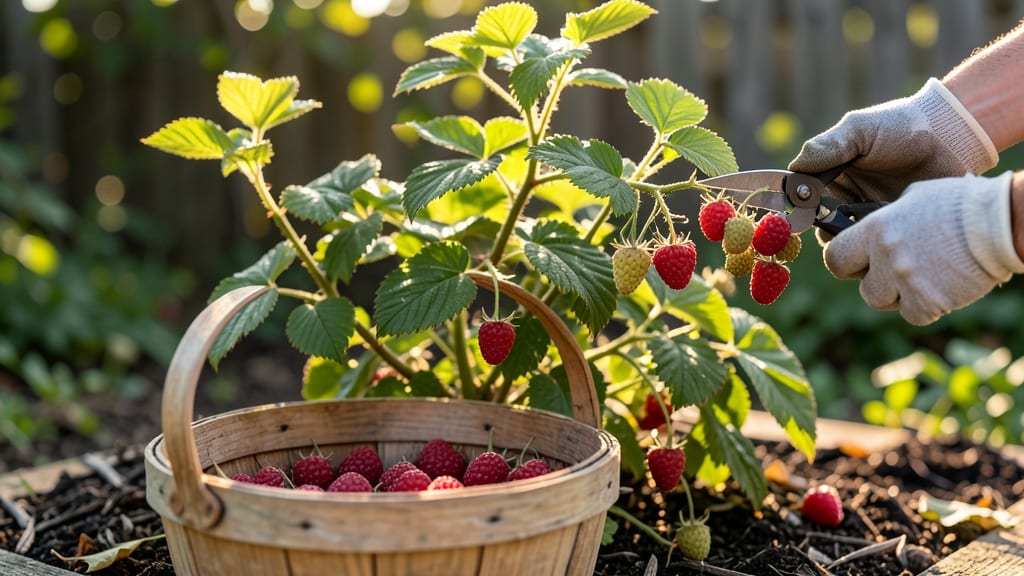
Raspberries reach their sweetest flavor during the harvest season 🍇 — a window that lasts from July through September in most regions, but timing varies wildly depending on variety and climate.
Picture this: you’ve spent months tending to your bushes, and now the berries are turning color—but are they really ready? One wrong pick, and you’re left with tart, seedy raspberries instead of the juicy, dessert-worthy kind.
The difference between perfection and disappointment often comes down to knowing exactly when to harvest.
In USDA Zone 6a, where many gardeners grow raspberries, early-season varieties like Heritage ripen in July, while late-season types like Boyne Gold stretch into September. But heatwaves, rain, or even a single late frost can shift that timeline—so how do you stay ahead of the game?
Below, I’ll walk you through the 3 foolproof tests to spot perfectly ripe raspberries, plus how to adjust for your local climate, extend your harvest, and troubleshoot early or late picking. No more guesswork—just sweet, flavorful berries every time.

When is raspberry harvest season? Best months & climate zones
Timing your raspberry harvest is all about understanding your USDA hardiness zone and the unique needs of your raspberry variety.
In most regions, raspberries ripen between late June and September, but the exact window depends on factors like temperature fluctuations, sunlight exposure, and whether you're growing early, mid-season, or late varieties.
For example, Heritage raspberries (a popular variety) often ripen 2-3 weeks earlier than Boyne Gold, extending your harvest window naturally.
Your location plays a critical role. Cooler northern zones like USDA Zone 4-5 may see harvests starting in late July, while warmer southern zones like Zone 8-9 can begin as early as May for early varieties.
Even within the same zone, microclimates—like a sunny hillside versus a shaded valley—can shift ripening by 1-2 weeks. Pay attention to your plant's cues rather than relying solely on a calendar.
| USDA Zone | Peak Harvest Months | Early Varieties | Late Varieties | Sunlight Needs |
|---|---|---|---|---|
| 3-4 (Cold Climates) | Late July - August | June (Heritage) | September (Boyne Gold) | 6+ hours daily |
| 5-6 (Temperate) | July - Early September | Late June (Tulameen) | October (Black Hawk) | 6-8 hours daily |
| 7-8 (Warm Climates) | May - September | April (Anne) | November (Dormanred) | 8+ hours daily |
| 9-10 (Hot Climates) | April - October | March (Caroline) | December (Fern) | Full sun required |
Temperature is the biggest factor in determining when your raspberries will ripen. Raspberries need consistent daytime temperatures between 70-85°F to develop their signature sweetness. If summer heat spikes above 90°F, berries may ripen faster but can become mealy or lose flavor.
Conversely, cooler temperatures below 60°F slow ripening, which is why northern zones see later harvests. Use shade cloth in extreme heat to protect berries without stunting growth.
Sunlight exposure directly impacts ripening speed and berry quality. Raspberries thrive with 6-8 hours of direct sunlight daily, but varieties like Boyne Gold (a golden raspberry) may need full sun (8+ hours) to develop their rich color and flavor.
If your plants are in partial shade, expect delayed ripening by 1-2 weeks and potentially smaller berries. Monitor your plants' canopy—if leaves are sparse, they’re likely not getting enough light for optimal fruiting.
Choosing the right raspberry variety can extend your harvest season by 4-6 weeks. Plant a mix of early, mid-season, and late varieties to enjoy berries from late spring to early fall. For example, pairing Heritage (early) with Boyne Gold (mid-season) and Black Hawk (late) ensures a continuous supply.
Check your seed packet or nursery tags for days to maturity—this tells you exactly when to expect harvests based on your planting date.
If you're in a warmer climate (Zone 9-10), you might face overlapping harvest seasons where berries ripen continuously. In these cases, focus on picking every 2-3 days to prevent overripe berries from attracting pests like birds and raccoons.
For cooler climates, plan to harvest once a week during peak season, as berries ripen more slowly. Always pick in the morning after dew has dried for the best flavor and texture.
Adjusting for early or late varieties is easier than you think. Early varieties like Anne or Caroline are bred to ripen quickly after planting, making them ideal for short growing seasons.
Late varieties like Dormanred or Fern store well and can be harvested up to 2 weeks after peak season if kept refrigerated.
If you live in a transition zone (Zone 6-7), consider planting everbearing varieties like Heritage, which produce two harvests per year—one in early summer and another in fall
3 Key tests to determine perfect raspberry ripeness (with visual guide)
Picking raspberries at the right moment transforms your harvest from sweet and juicy to tart and seedy. The difference often comes down to three simple tests I’ve perfected over years of gardening.
These methods work for red, black, and gold varieties—just adjust for color! Whether you’re growing summer-bearing or everbearing raspberries, these tricks ensure you never miss peak ripeness again.
First, let’s address the biggest mistake I see: waiting until berries are too ripe. Overripe raspberries collapse, attract pests, and lose their vibrant flavor. The key is acting at the first sign of readiness, not the last.
Think of it like catching a ripe mango—you want it firm but yielding, not mushy. With raspberries, timing is everything, and these tests make it foolproof.
🌱 3 Foolproof Tests for Perfect Raspberry Ripeness
- 🍓 Test 1: Color Check
Fully ripe raspberries should be deep, uniform color—no pale or green spots. Red varieties glow like a sunset, black types turn deep purple-black, and gold raspberries shine like amber honey. A single pale berry means wait 1-2 days. - 🤏 Test 2: The Squeeze Test
Gently press a berry between your thumb and forefinger. It should feel plump and slightly soft, like a ripe peach. If it’s rock-hard, it’s underripe. If it squishes easily, it’s overripe—save it for jam! - ✅ Test 3: The Gentle Pull
Grasp the berry and give it a light tug. If it detaches cleanly from the receptacle (the white core), it’s ready. If it resists, it needs more time. If it crumbles, it’s past its prime.
Pro Tip: Harvest in the morning when berries are coolest—this preserves their sweetness and texture longer.
Let’s talk about color cues first, because this is where most gardeners go wrong. I’ve seen bright red raspberries that were still hard as marbles because they weren’t fully colored.
For red varieties, look for a deep, glossy red with no green undertones. Black raspberries should be velvety purple-black, and golden varieties need that sunshine yellow hue. Pro tip: Use natural light to check—artificial light can trick your eyes!
Next, the squeeze test reveals a raspberry’s hidden secrets. I learned this trick from my grandmother, who could tell a berry’s ripeness just by how it felt. A ripe raspberry should yield slightly under gentle pressure but not collapse.
Think of it like testing a ripe avocado—just enough give to know it’s ready. If you’re unsure, try the taste test on one berry: sweetness confirms ripeness, while tartness means it’s not there yet.
Finally, the gentle pull test is my favorite because it’s instant feedback. Raspberries should detach easily from the receptacle when ripe. If you feel resistance, the berry needs more time. If it stays attached but the fruit is already colored, it’s often overripe—these berries are best used immediately.
This test also helps you avoid bird raids by picking only the ripest berries first.
One common mistake is harvesting too late in the day. Heat can make raspberries overripe faster, so I always pick in the early morning. Store them in the fridge for up to 3 days if you can’t use them immediately.
For everbearing varieties, which produce two harvests per season, these tests become even more critical—you’ll want to catch both flushes at their peak!