
Vegetables
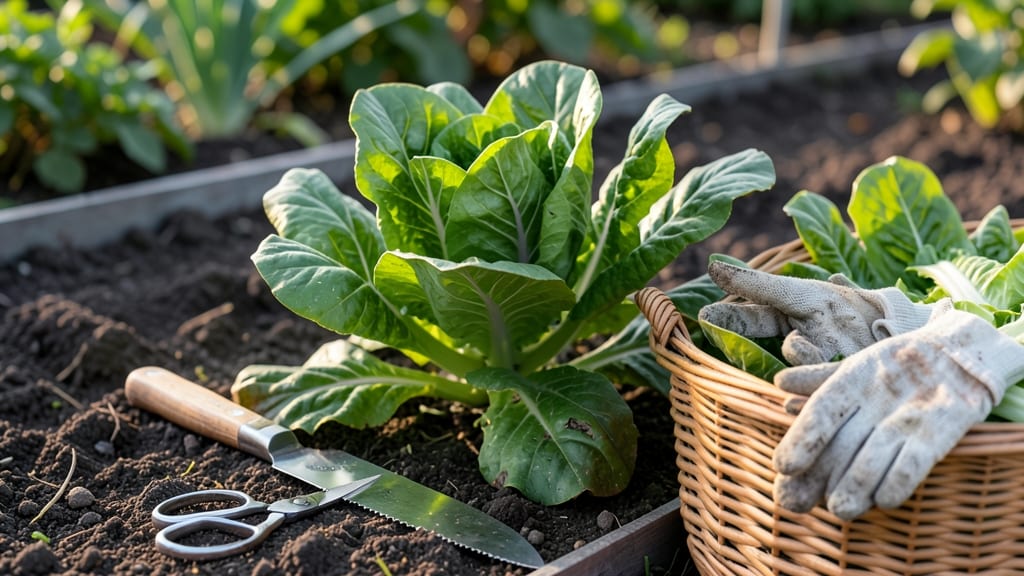
Harvesting romaine lettuce 🥬 at the right time ensures crisp, flavorful leaves for weeks—cut too early, and you miss peak taste; wait too long, and you risk bolting or bitterness.
Romaine lettuce thrives on continuous harvests, but timing your cuts wrong can turn your crisp, leafy bounty into bitter, bolted disappointment—here’s how to master the cut-and-come-again method for endless salads straight from your garden.
Look for leaves that are 6–8 inches long, deep green, and firm to the touch, with a mild, slightly sweet flavor. These are your cues that the romaine is ready for harvest, not just for the first pick but for sustained regrowth over multiple cuts.
In this guide, I’ll walk you through the exact harvest window for your USDA Zone 6a garden, the step-by-step cutting technique to avoid damaging your plant, and how often to harvest for nonstop yields without sacrificing quality.

When to harvest romaine lettuce for maximum flavor and regrowth
Timing your romaine lettuce harvest is the secret to crisp, flavorful leaves that keep coming back. Unlike bolt-prone varieties, romaine thrives on the cut-and-come-again method, but you must harvest at the right moment—or risk bitter, tough leaves or wasted regrowth potential.
The ideal window balances leaf size, texture, and flavor, while avoiding the plant's natural bolting response to stress.
Most romaine varieties reach harvest readiness between 30 to 60 days after sowing, but don't wait until the plant is fully mature. The sweet spot arrives when outer leaves hit 6 to 8 inches in length while maintaining a crisp, deep green appearance.
This stage ensures maximum flavor while leaving enough energy in the plant for regrowth.
Environmental cues also play a critical role. Harvest during cool morning hours (6-9 AM) when temperatures are below 75°F (24°C) to prevent wilting and stress. Avoid harvesting after heavy rain or during heatwaves, as these conditions can accelerate bolting—the plant's flowering response that turns your lettuce bitter and inedible.
Here’s a quick reference to identify the perfect harvest moment before diving deeper into techniques:
| Harvest Stage | Leaf Size | Texture | Flavor Profile | Regrowth Potential |
|---|---|---|---|---|
| Too Early | 3-5 inches | Tender, soft | Mild, bland | Low (plant still growing) |
| Ideal Harvest | 6-8 inches | Crisp, firm | Sweet, slightly nutty | High (30-50% regrowth) |
| Over-Mature | 9+ inches | Tough, fibrous | Bitter, woody | Low (bolt risk) |
| Bolting | Any size | Leathery | Extremely bitter | None (plant dies) |
Watch for visual signs of over-maturity like elongated stems, yellowing leaf edges, or a hollow core when you cut into the base. These indicate the plant has shifted energy toward flowering, making regrowth nearly impossible.
If you spot these, harvest immediately—even if the leaves aren’t perfect—to salvage what you can before the entire plant bolts.
Temperature extremes are your biggest enemy. Romaine lettuce bolts when exposed to consistent temperatures above 80°F (27°C) or frost. If your region experiences summer heat, prioritize shade cloth (30-50% coverage) during peak afternoon sun.
In cooler climates, use row covers to extend the harvest window into early spring or late fall.
Light conditions also influence harvest timing. While romaine thrives in partial shade (4-6 hours of sun), too little light leads to leggy, pale leaves that taste bland. If your plants stretch toward the sun with weak stems, they’re not ready for harvest—focus on improving light exposure first.
A south-facing window or grow lights (12-14 hours/day) can make all the difference for indoor growers.
Pro tip: Harvest outer leaves first to encourage regrowth. Use clean, sharp scissors or pruners to cut just above a leaf node (the bump where new leaves emerge).
This minimal intervention signals the plant to redirect energy to the center, producing a second flush of leaves in 2-3 weeks—often just as flavorful as the first harvest.
For maximum yields, aim to harvest every 7-10 days during the plant’s peak growing season (spring and fall). This frequency keeps the plant productive without overwhelming it.
In hot climates, stretch harvests to every 10-14 days to reduce stress. Always harvest in the morning after dew has dried to preserve crispness and flavor.
🥬
Step-by-step cut-and-come-again method: how to harvest without killing your plant
The cut-and-come-again method is your secret weapon for endless romaine lettuce harvests. By harvesting outer leaves instead of the whole plant, you encourage regrowth while keeping your garden productive. This technique works best when your plants reach 6-8 inches in height, with firm, crisp outer leaves.
The key is precision—cut too much, and you stunt regrowth; cut too little, and you miss peak flavor.
Start with the right tools: a sharp pair of pruning shears or a clean knife is essential. Dull blades crush stems, inviting disease and slowing recovery. I always sanitize my tools with rubbing alcohol before use to prevent contamination.
Avoid pulling leaves by hand, as this can damage the plant’s delicate growth center.
Choose the 4-6 largest, mature outer leaves—avoid cutting into the inner heart. These leaves are fully grown and won’t hinder regrowth.
Use sterilized shears to cut leaves at a 45-degree angle, about 1 inch above the next leaf. This prevents water from pooling and causing rot.
Harvesting more than 1/3 of the plant at once stresses it and reduces future yields. Think of it as a haircut—not a buzz cut!
Give your plant 1 cup of water per plant to replenish moisture lost during harvesting. Water in the morning to allow foliage to dry quickly, reducing disease risk.
Apply a balanced 5-10-10 fertilizer (1 tbsp per plant) 24 hours after harvesting to support regrowth. Avoid high-nitrogen fertilizers, which can cause bolting in hot weather.
New leaves should emerge within 7-10 days. If growth stalls, check for pests, poor soil, or heat stress. Mulch with straw to retain moisture and cool roots.
Post-harvest care is just as critical as the cutting technique. After harvesting, I always check the soil moisture—dry soil slows regrowth. A quick finger test (insert your finger 1 inch deep) tells me if it’s time to water.
Mulching with straw or grass clippings helps retain moisture and keeps weeds at bay, so I spend less time maintaining the bed.
Common mistakes can derail your cut-and-come-again success. Over-harvesting is the biggest offender—I’ve seen gardeners take entire heads thinking it’s the only way, only to watch their plants bolt or die.
Another mistake is harvesting in hot afternoons, which stresses the plant. Always harvest in the cool morning hours when leaves are turgid and easy to cut cleanly.
With this method, I’ve harvested romaine lettuce continuously for 6 weeks from a single planting, yielding enough for weekly salads. The secret? Patience and consistency. Your plants will reward you with crisp, sweet leaves all season long—no bitter bolting in sight!