
Picking
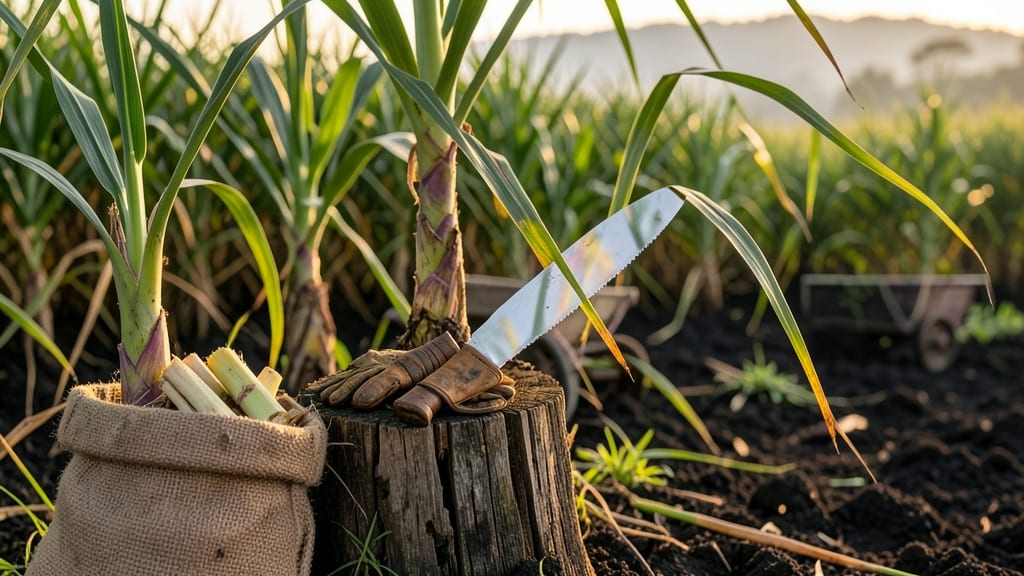
Harvesting sugarcane at the right time ensures the highest sugar content and yield—typically 12 to 18 months after planting, depending on your climate zone.
Picture this: You’ve nurtured your sugarcane 🌱 for months, only to harvest too early and end up with thin, watery stalks—or wait too long and watch the sugar convert to fiber.
The difference between a sweet, syrupy harvest and a disappointing one often comes down to timing, temperature, and regional growing conditions.
In tropical and subtropical regions (USDA zones 10-12), the dry season is usually the best window for harvesting, as lower humidity preserves sugar levels. But in warmer microclimates like zone 9b, you might harvest year-round—just watch for signs like yellowing leaves and firm stalks before cutting.
Below, I’ll break down the exact months to harvest by zone, how to test stalk maturity, and the three key mistakes that ruin sugar content. Whether you’re a backyard gardener or a large-scale farmer, these tips will help you maximize every stalk’s potential.

Best sugarcane harvest months by climate zone for peak sucrose levels
Timing your sugarcane harvest is all about understanding your climate zone—because temperature and rainfall dramatically impact sucrose accumulation and stalk maturity. In tropical zones, sugarcane thrives year-round, while subtropical and temperate regions require precise seasonal planning to avoid bitter, low-sugar yields.
The key? Harvesting during the dry season when stalks reach peak sweetness and structural integrity.
Sugarcane plants need 12-18 months to mature, but the exact harvest window depends on your region. For example, in USDA zones 10-12, you’ll aim for late winter to early spring, while gardeners in subtropical zone 9b should target fall.
The goal is always the same: maximize sucrose levels while ensuring stalks are firm and ready for processing.
Here’s how temperature and rainfall influence your harvest timing. High temperatures (80-90°F) and low humidity accelerate sucrose buildup, but excessive rain dilutes sugar content and weakens stalks.
That’s why dry-season harvests in tropical climates yield the sweetest cane, while temperate zones rely on cool, dry periods in late fall or early winter.
Let’s break down the optimal harvest windows by climate zone, including how to adjust for local weather patterns and variety-specific maturity. The table below gives you a quick reference, but remember: plant signals (like stalk thickness and leaf color) always trump calendar dates.
| Climate Zone | Optimal Harvest Months | Key Conditions | Sucrose Peak |
|---|---|---|---|
| Tropical (Zones 10-12) | December–March (dry season) | 75–85°F, <10" rainfall/month | 18–22% |
| Subtropical (Zone 9b) | October–November (fall) | 65–75°F, <5" rainfall/month | 16–20% |
| Temperate (Zone 8) | February–March (late winter) | 55–65°F, frost-free | 14–18% |
In tropical zones, sugarcane grows aggressively year-round, but the dry season (typically December–March) is your sweet spot. During this time, sucrose levels peak at 18–22%, and stalks develop the hard, fibrous structure needed for processing.
Avoid harvesting during monsoon rains, as excess moisture reduces sugar content and increases disease risk.
For subtropical growers in zone 9b, focus on fall harvests (October–November) when temperatures drop to 65–75°F. This cooler window slows growth just enough to concentrate sucrose while preventing stalks from becoming woody or hollow.
If you’re in a region with unpredictable rains, monitor leaf color—yellowing tips signal maturity, not just calendar dates.
Gardeners in temperate zones (USDA 8) face the biggest challenge: short growing seasons and frost risks. Your harvest window shrinks to late winter (February–March), but you can extend it by planting hardier varieties like ‘CP 70-321’ or ‘F17’.
Aim for 55–65°F and dry conditions—frost will kill the crop, while rain dilutes sugar levels. If you miss this window, your yield will suffer.
One critical factor across all zones is stalk diameter. Mature sugarcane should measure 2–3 inches in diameter at the base. Thin stalks (1 inch) won’t yield enough juice, while over-mature stalks (>3 inches) become pithy and low in sucrose.
Use a handheld polarimeter ($50–$100) to test brix levels—ideal harvests read 18–24°Brix.
If you’re in a region with variable weather, like Florida’s coastal areas or Hawaii’s trade-wind zones, prioritize plant signals over fixed dates. Look for dry, crisp leaves at the stalk base and a hard, woody texture when pressed.
These signs trump calendar months—especially if your area experiences unseasonal rains or heatwaves.
Pro tip: Harvest in the morning when sucrose levels are highest. Cut stalks at a 45-degree angle just above a node (the swollen joint where leaves emerge) to encourage regrowth for a second harvest.
Store cut stalks in a shaded, dry place for up to 2 weeks before processing to preserve sweetness.
Finally, remember that
How to determine sugarcane maturity for harvesting (key signs to watch)
Harvesting sugarcane at the right time ensures maximum sucrose content and sweetness. Unlike many crops, sugarcane doesn’t ripen uniformly, so you’ll need to watch for visual and physical cues to avoid harvesting too early or too late.
Premature harvests yield watery, low-sugar stalks, while overripe ones become fibrous and bitter. Let’s break down the key maturity indicators every sugarcane grower should know.
First, focus on the stalk appearance. Mature sugarcane stalks develop a dull, yellowish-green hue rather than the vibrant green of younger plants. The outer leaves will also start drying out, curling at the edges—a clear sign the plant is redirecting energy toward sucrose production.
Pay close attention to the leaf drop pattern: mature stalks shed their lower leaves first, exposing the woody, thickened stem underneath.
🔍 Numbered Highlights: 5 Key Signs of Sugarcane Maturity
- 🌾 Stalk Thickness: Mature stalks reach 2-3 inches in diameter and feel hard and woody when pressed.
- 🍯 Juice Sweetness: Cut a stalk and taste the juice—it should be thick, syrupy, and sweet (not watery or bitter).
- 🟡 Leaf Color: Lower leaves turn yellow or brown at the tips, while upper leaves remain green.
- ⏳ Growth Slowdown: New shoots stop emerging, and the plant’s height growth stabilizes for 2-3 weeks.
- 🌡️ Temperature Cues: In tropical zones, harvest when daytime temps drop slightly (e.g., 75-85°F), signaling sucrose peak.
For precise testing, use a polarimeter to measure brix levels (sugar concentration). Ideal harvest brix ranges between 18-22%, depending on the variety. If your polarimeter reads below 15%, the stalks aren’t mature enough—wait another 2-4 weeks. Conversely, brix above 24% may indicate overripeness, which reduces yield quality.
Many small-scale growers skip polarimeters and rely on the juice test: crush a stalk and let the juice settle. Sweet, syrupy juice with minimal foam means it’s harvest-ready.
Regional climate plays a crucial role in maturity timing. In tropical zones (e.g., Florida, Hawaii), sugarcane matures faster—often in 12-15 monthssubtropical areas (e.g., Southern California) may take 15-18 months.
Watch for dry season onset: sugarcane accumulates the most sucrose during dry, sunny periods, so time your harvest just before the first significant rainfall. This prevents dilution of sugar content and reduces the risk of stalk rot.
Avoid harvesting during heavy rains or high humidity, as these conditions accelerate microbial growth and weaken stalk integrity. If you must harvest in wet conditions, do so early in the day to allow stalks to dry slightly before processing.
Always prioritize physical maturity over calendar dates—your sugarcane’s signals will never lie. With practice, you’ll develop an eye for the perfect moment to harvest for maximum sweetness and yield.
Remember, every sugarcane variety has slight variations in maturity timing. If you’re growing exotic varieties like ‘Q117’ or ‘CP77-400’, consult local agricultural extensions for variety-specific guidelines. The more you observe your plants, the better you’ll anticipate their needs—and that’s the secret to a sweet, successful harvest every time. 🌱