
Picking
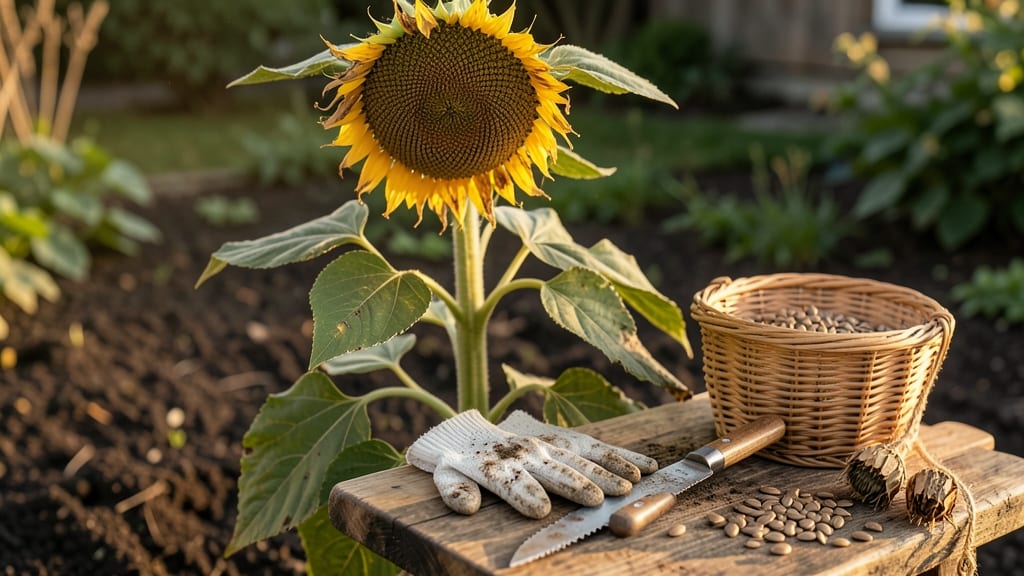
Harvesting sunflowers at the right time turns those towering blooms into showstopping centerpieces that last for days.
Picture this: you’ve nurtured your 🌻 sunflowers all season, only to cut them too early and watch them droop by afternoon. Or worse, you wait too long and the seeds scatter before you’re ready.
The difference between a stunning bouquet and a sad, wilted mess comes down to timing—and these 3 key signs will never let you down again.
Most gardeners assume sunflowers are ready when the petals fully open, but that’s just the beginning. The real magic happens when the back of the flower head turns yellow or brown, the seeds feel plump and firm, and the stem snaps cleanly at the base.
These visual cues (plus a few pro tips) ensure your sunflowers stay vibrant in a vase for up to two weeks—or even longer with the right care.
In this guide, I’ll walk you through exactly when to harvest sunflowers in Zone 6a (late summer to early fall), how to spot the perfect moment, and the simple tricks to keep them fresh long after cutting. No more guessing—just bold, beautiful blooms that steal the show.

3 Clear signs your sunflowers are perfectly ready for harvest
Harvesting sunflowers at the right time ensures you get the most vibrant blooms for bouquets or the best seeds for next year's garden. The key is watching for three clear indicators that tell you the moment is perfect.
These signs combine visual cues and tactile checks that even beginners can spot easily.
First, pay attention to the flower head's position. When sunflowers reach maturity, their petals naturally droop downward rather than standing upright. This is nature's way of signaling that the seeds inside are fully developed and ready for harvest.
Don't confuse this with wilting—healthy mature sunflowers will have firm stems and vibrant petals despite the droop.
Second, examine the back of the flower head. As seeds mature, the center disk changes color from green to yellow or brown. This color shift happens gradually, so check your sunflowers every few days during late summer.
The transition from green to yellow indicates the seeds are plump and ready for picking.
Mature sunflowers have petals that face downward naturally, not just from wilting
The center disk changes from green to yellow or brown when seeds are fully developed
A mature sunflower stem should break easily near the base with a clean snap
The third and most practical sign is the stem's readiness. Gently bend the stem near the base—if it snaps cleanly rather than bending, your sunflower is perfectly ripe.
This test ensures the stem won't wilt quickly after cutting. For bouquets, this is especially important as it helps the flowers last longer in vases.
Timing matters too, especially if you're growing sunflowers for seeds. In USDA Zone 6a, where frost typically arrives in mid-October, aim to harvest sunflowers between late August and early September.
In warmer climates like Zone 9, you might extend harvesting until October. Always check the weather forecast—if frost is expected within a week, harvest immediately.
One common mistake is waiting too long. If you see seeds starting to fall out of the flower head or the petals turning brown and crispy, you've missed the optimal harvest window.
The seeds will lose moisture and become less viable for planting. For cut flowers, this means shorter vase life and less vibrant petals.
For seed-saving purposes, harvest when the back of the flower head is completely brown but before seeds begin spilling onto the ground. Lay the harvested sunflowers in a dry, well-ventilated area for a week to fully dry the seeds.
This process prevents mold and ensures high germination rates for next year's garden.
Pro tip: Use a sharp pruning shears or clean knife to cut stems at a 45-degree angle. This increases water absorption when placed in vases. For sunflowers you plan to dry, leave a few inches of stem attached—this makes hanging them easier and preserves their shape better over time.
Remember, the exact harvest time can vary slightly based on your sunflower variety. Dwarf varieties like 'Teddy Bear' mature faster (around 50-60 days) compared to giant varieties like 'Mammoth' which take 100-120 days. Always check the seed packet for specific maturity dates to fine-tune your harvesting schedule.
How to extend sunflower longevity after harvesting
Once you've harvested your sunflowers at the perfect time, the real challenge begins—keeping them fresh and vibrant in your vase. I've learned through trial and error that proper post-harvest care can extend their vase life from just a few days to 10+ days.
The secret lies in immediate action and consistent maintenance after cutting.
Start by giving your sunflowers a fresh stem cut at a 45-degree angle. This increases water uptake, which is crucial for longevity. I always use clean, sharp scissors or pruners to avoid crushing the stem.
The longer the stem, the better—aim for at least 6-8 inches of stem length to maximize water absorption.
Step-by-Step Sunflower Care After Harvest
- Immediate Stem Prep: Cut stems at a 45° angle with clean scissors. Remove all lower leaves that will sit in water to prevent bacterial growth.
- Hydration Boost: Place stems in lukewarm water with a commercial flower preservative (or DIY mix: 1 tsp sugar + 1 tsp bleach per quart of water) for 1 hour before arranging.
- Vase Selection: Choose a clean vase with a narrow neck to limit water surface area. Use distilled or filtered water to reduce contaminants.
- Daily Maintenance: Re-cut stems every 2-3 days and refresh water. Remove any wilted petals or leaves promptly.
- Environmental Control: Keep flowers away from direct sunlight, drafts, and heating vents. Ideal temperature is 65-75°F.
- Nutrient Top-Up: Add 1 tsp sugar to vase water every 2 days to feed the flowers.
I've found that adding a commercial flower preservative or homemade solution (1 tsp bleach + 1 tsp sugar per quart of water) can work wonders. The sugar provides energy, while the bleach prevents bacterial growth that causes stems to clog.
Change the water every 2-3 days to keep your sunflowers thriving. Never let them sit in stagnant water longer than 48 hours.
Another pro tip: Keep your sunflowers in a cool, draft-free location. Avoid placing them near air conditioning vents or open windows, as temperature fluctuations can cause premature wilting. If you notice petals drooping by evening, it's often just temporary—give them a few hours to recover overnight.
For maximum longevity, I recommend avoiding ethylene gas sources like ripe fruits or tobacco smoke near your arrangement. Ethylene accelerates aging in cut flowers. If you notice stems bending or wilting despite proper care, it might be time to recut them and refresh the water immediately.
With these techniques, my sunflowers have lasted up to 14 days in arrangements—far longer than the typical 3-5 days. The key is consistency in water changes, stem maintenance, and environmental control. Your sunflowers will reward you with vibrant beauty long after harvest time! 🌻