
Vegetables
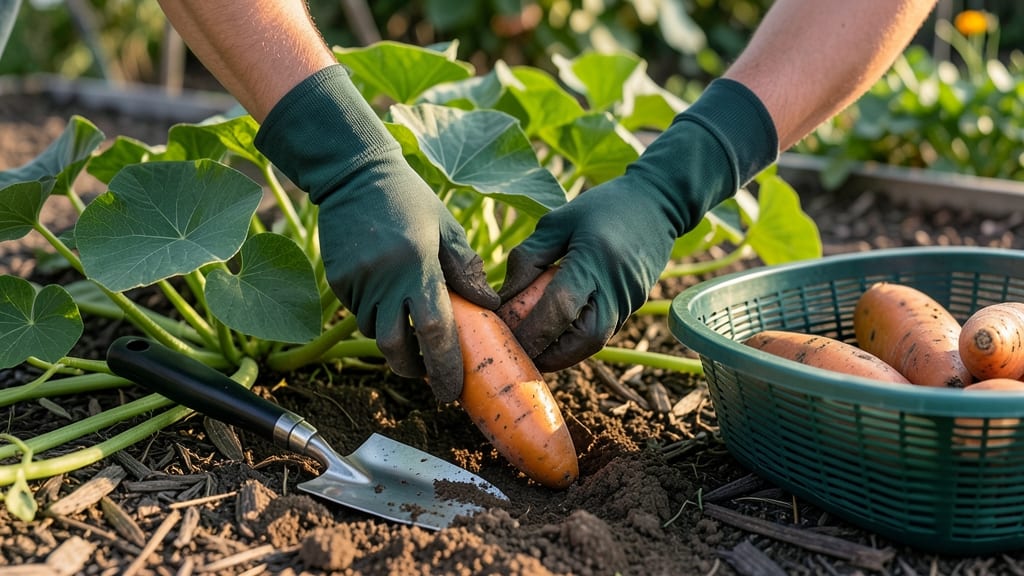
Sweet potatoes ready to harvest show unmistakable signs in their leaves and vines—pictures of yellowing foliage and crispy dieback are your best clues.
Ever wondered how to tell when your 🍠 are finally ready to harvest? The key lies in subtle—but unmistakable—visual cues, from leaf color shifts to vine dieback patterns. Miss these signs, and you risk digging too early (or too late) for the perfect harvest.
In Zone 6a, where frost arrives by late October, timing matters even more. A 100-140 day window from planting means waiting too long can turn sweet potatoes woody or vulnerable to cold. But how do you know exactly when they’re ready?
This guide breaks down the most reliable visual cues—leaf color changes, vine behavior, and tuber firmness—plus step-by-step tips for gentle excavation. By the end, you’ll spot the perfect harvest moment every time.

Sweet potato harvest readiness: leaf color changes & vine dieback pictures
Knowing when to harvest sweet potatoes can be tricky, but the most reliable clues come from your plants' foliage and vines. Unlike regular potatoes, sweet potatoes send out long, trailing vines and develop edible tubers underground.
When these vines start showing specific color changes and dieback patterns, it's your cue that the tubers are mature and ready for harvest. Ignoring these signs often leads to digging too early—resulting in small, underdeveloped tubers—or too late, risking frost damage or tough, woody roots.
I’ve grown sweet potatoes for years, and the leaf color shift from deep green to yellow or brown is the first unmistakable signal. This change happens because the plant redirects its energy from foliage growth to tuber development.
Pair this with vine dieback—where the stems turn brown and crispy—and you’ve got a foolproof system. Below, I’ll break down these visual cues with annotated pictures to help you spot the exact moment your sweet potatoes are harvest-ready.
📌 Key Visual Cues for Harvest Readiness:
- Leaves turn yellow or brown (not just green)
- Vines become brittle and die back (easy to snap)
- Top of tubers lose green skin (firm, not tender)
- Slips loosen easily from soil (gentle tug test)
| Sign | Description | Picture Annotation |
|---|---|---|
| Yellowing Leaves | Leaves shift from deep green to golden yellow or brown along the edges, then entire leaf. | 📸 Top-down view of foliage with 70% yellow coverage = ready. |
| Browning Vines | Stems turn dry and brown, snap easily when bent, and no new growth appears. | 📸 Close-up of crispy vine tips with no sap = harvest soon. |
| Leaf Drop Pattern | Leaves crisp and fall off naturally (not wilted or mushy). 50%+ leaf loss signals readiness. | 📸 Ground view showing brown leaves around base = tubers are maturing. |
| Tuber Skin Change | Top of tuber loses green skin, becoming firm and dull (not shiny or tender). | 📸 Excavated tuber with no green tip = fully mature. |
| Slip Loosening | Gently tug on vines—if they pull out easily with minimal resistance, tubers are ready. | 📸 Hand pulling vine with tuber exposed = perfect timing. |
⚠️ Pro Tip: Take photos of these signs for future reference!
One common mistake I see is waiting until the entire plant is completely dead before harvesting. While this might seem like the ultimate sign, you risk frost damage or tough, fibrous tubers if you delay.
Instead, act when you notice 50-70% leaf yellowing and vines turning brittle. This usually happens 90-120 days after planting, depending on your variety and climate.
For example, my Beauregard variety (a classic orange sweet potato) shows bright yellow leaves and crispy vines around 105 days. Meanwhile, purple varieties like Georgia Jet might take 15 days longer to show these signs.
Always check your seed packet or plant tags for variety-specific timelines, but never rely solely on days—visual cues are your best guide.
If you’re unsure whether your sweet potatoes are ready, perform the gentle tug test: Grasp a vine near the base and pull upward. If the slip comes out with little effort and the tuber is firm to the touch, it’s harvest time.
This method works especially well for container-grown sweet potatoes, where you can easily see the tubers’ size through the pot’s sides.
Another pro move? Harvest a few tubers early to test their size and flavor. This way, you can confirm readiness without risking the entire crop.
Store these test tubers in a cool, dark place (like a root cellar) for a week to see if they sweeten up—a sign of maturity. If they taste starchy and bland, give your plants a few more weeks.
🌱 Remember: Sweet potatoes thrive in warm weather, and a frost can ruin your crop overnight. If you’re in a Zone 7 or warmer, aim to harvest before October 15. In cooler zones (like Zone 6), start harvesting by early September to avoid frost damage.
Use row covers if you need to extend your growing season, but always prioritize visual cues over dates.
How to confirm sweet potato harvest readiness beyond visual cues
While yellowing leaves and vine dieback signal sweet potato maturity, these aren't the only clues. To avoid premature digging or missing the perfect harvest window, dig deeper—literally. The secret lies in tuber firmness, vine health, and soil conditions that often go unnoticed until it's too late.
Start by gentle vine inspection. Healthy vines should feel woody and crispy when touched, not rubbery. If they snap easily, your sweet potatoes are likely ready. This 100-140 day growth window means timing is critical—especially in Zone 6a where frost arrives early.
⚠️ callout warning ⚠️
- Soft tubers = underdeveloped sweet potatoes
- Green skin = still photosynthesizing (not fully mature)
- Loose soil = tubers may detach during harvest
Next, check tuber size by carefully lifting a few edge plants. Mature sweet potatoes should weigh 6-12 ounces each, with skin that's firm and no longer green at the top. If the skin cracks easily when pressed, they're ready. This harvest window closes fast—wait too long, and tubers become woody and inedible.
Soil conditions play a surprising role. Well-drained soil with loose texture makes harvesting easier. If your soil feels compacted or waterlogged, tubers may develop forked shapes or rot.
Amend with compost or sand before planting to improve drainage. In containers, ensure pots have drainage holes to prevent waterlogging.
Finally, time your harvest with the weather. In Zone 6a, aim for late September to early October before the first frost. If frost threatens, harvest immediately—even if tubers aren't fully mature. Cure sweet potatoes for 10 days at 80-85°F and 80% humidity to develop flavor and storage life.
By combining vine health, tuber firmness, and soil checks, you'll never guess when sweet potatoes are ready again. Pro tip: Mark your calendar 120 days after planting—this is your prime harvest window for peak sweetness and texture. 🍠