
Picking
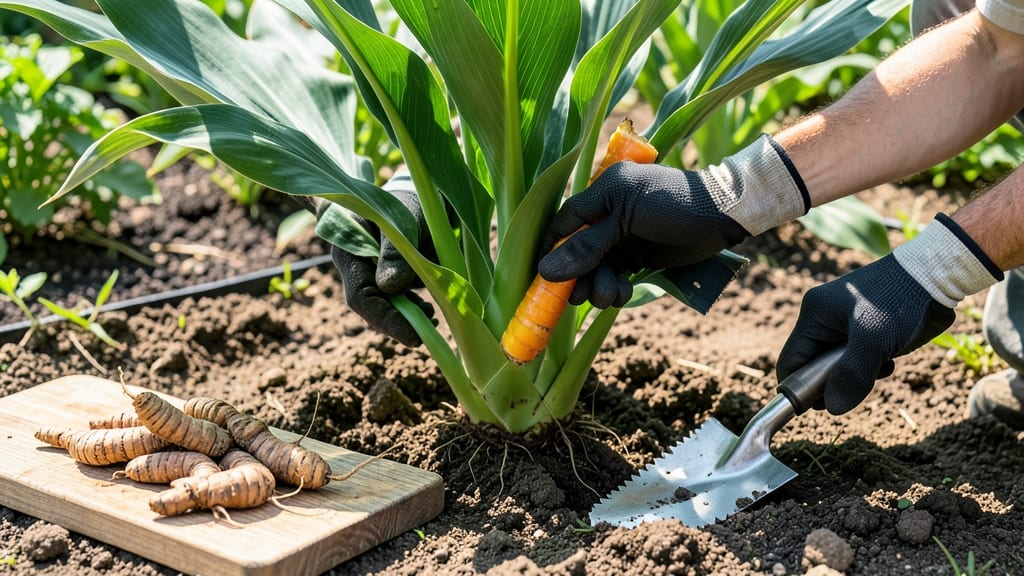
Harvesting turmeric at the right time means unlocking its boldest color, richest flavor, and highest potency—all while avoiding the bitter disappointment of a crop harvested too early or too late.
Picture this: you’ve nurtured your 🌿 turmeric for nearly a year, and now the leaves are yellowing, the rhizomes are firm, and the plant is slowing down.
That’s your cue—but miss it, and you’ll end up with pale, underdeveloped roots that lack the vibrant orange hue and earthy aroma you crave.
In Zone 6, where frost arrives by mid-October, timing is everything. The ideal harvest window falls between October and November, when the rhizomes have matured but before the first frost.
But how do you know for sure? I’ll walk you through the three key visual signals that guarantee you’re harvesting at peak potency.
Beyond timing, proper post-harvest care—like curing and storage—can extend your turmeric’s shelf life and preserve its health-boosting compounds. Whether you’re drying it for spices or saving it for later use, these simple steps will keep your harvest fresh and flavorful for months.

When to harvest turmeric: 3 unmistakable visual cues for perfect timing
Harvesting your turmeric rhizomes at the wrong time can mean the difference between a vibrant, potent crop and one that’s bland or even spoiled. The key lies in understanding the three unmistakable visual cues that signal peak harvest readiness.
These cues—leaf yellowing, rhizome color, and plant dormancy—are backed by horticultural science and will help you time your harvest for maximum curcumin content and flavor.
Turmeric plants typically take 9-10 months to mature, but relying on time alone isn’t enough. Instead, focus on these physical changes that indicate the rhizomes are ready. Missing these signs could mean harvesting too early (resulting in underdeveloped rhizomes) or too late (leading to overripe, woody roots).
Let’s dive into the exact visual cues you should watch for.
-
1. Leaf Yellowing
The leaves turn yellow and begin to wither from the bottom up. This indicates the plant is redirecting nutrients to the rhizomes, signaling it’s time to harvest. -
2. Rhizome Color
The skin of the rhizomes shifts from green to brownish-yellow. Firmness and size also increase—look for roots that are 1-2 inches thick. -
3. Plant Dormancy
Growth slows significantly, and the stems may collapse. This is your final cue—waiting longer risks shriveled or tough rhizomes.
Paying attention to leaf yellowing is your first clue that the plant is transitioning into dormancy. This process starts naturally as the plant prepares to conserve energy for the next growing season.
If you notice more than 50% of the leaves turning yellow, it’s time to dig. Ignoring this sign could mean the rhizomes become woody and less flavorful.
The rhizome color change is another critical indicator. When the outer skin shifts from green to brownish-yellow, it means the rhizomes have reached their optimal maturity. At this stage, they’re also firm to the touch, a sign they’ve stored enough nutrients.
If you dig up a rhizome and it’s still soft or green, it’s not ready—wait another 2-4 weeks.
Plant dormancy is the final visual cue, often overlooked by gardeners eager to harvest. When your turmeric plant’s growth slows dramatically and the stems begin to lean or collapse, it’s entering dormancy. This is nature’s way of telling you the rhizomes are fully developed. Harvesting at this stage ensures you capture the peak curcumin content, which is highest when the plant’s energy is fully redirected underground.
Regional variations can slightly alter these cues. In warmer climates (Zones 8-10), turmeric may show dormancy earlier, sometimes as early as September. In cooler zones like Zone 6 or below, dormancy might not occur until late October or November.
Always align your harvest with your local climate to avoid early frost damage.
One common mistake is harvesting based on rhizome size alone. While larger rhizomes are desirable, they must also meet the color and firmness criteria. A rhizome that’s big but still green or soft won’t have the bold flavor or medicinal properties of a properly matured one.
Always combine size, color, and leaf condition for the best results.
To test readiness, gently dig up one rhizome from the outer edges of the plant. If it meets all three cues—yellow leaves, brownish-yellow skin, and firm texture—it’s time to harvest the entire plant. This spot-check method prevents over-harvesting and ensures you don’t miss the perfect window.
Once you’ve confirmed the right time, harvest on a dry, sunny day to allow the rhizomes to dry quickly. Use a sharp garden fork to lift the plant gently, then brush off excess soil.
Avoid washing the rhizomes until after drying, as moisture can promote mold growth and reduce shelf life.
By mastering these three visual cues, you’ll transform your turmeric harvest from a guessing game to a precision task. The result? Rhizomes with maximum potency, vibrant color, and rich flavor that’ll impress even the most discerning gardeners. 🌱
How to store freshly harvested turmeric for long-term potency
Once you’ve harvested your turmeric rhizomes at peak maturity, the next critical step is proper storage to preserve their curcumin content and vibrant color. Unlike many root vegetables, turmeric doesn’t store well in the fridge—its potency fades within weeks.
Instead, we’ll focus on drying and curing methods that lock in flavor and medicinal properties for up to 12 months.
The key to long-term storage lies in removing moisture while maintaining the rhizomes’ structural integrity. Freshly harvested turmeric contains about 80% water, which makes it highly susceptible to mold and spoilage.
Through careful drying, we reduce this moisture content to 10-12%, creating an environment where beneficial compounds remain stable.
Harvesting wet rhizomes after rain or morning dew can ruin your entire batch. Always harvest on dry, sunny days (10 AM - 3 PM) and let them air-dry for 2-4 hours before processing. Wet rhizomes develop mold within 48 hours, even in cool storage.
Start by cleaning the rhizomes with a soft brush to remove soil, but avoid washing them—this removes protective layers. Next, trim off any green shoots or fibrous roots using a sharp knife, leaving about ½ inch of stem attached.
This prevents nutrient loss during drying. For optimal results, I recommend sun-drying in warm climates (Zones 8-10) or using a dehydrator at 135°F (57°C) for cooler regions.
If sun-drying, arrange the rhizomes on wire racks or mesh screens in a well-ventilated area with partial shade to prevent scorching. Turn them every 2-3 hours for even drying, which typically takes 5-7 days.
For dehydrator methods, space them ½ inch apart on trays and dry for 8-12 hours, checking frequently to avoid over-drying. Properly dried turmeric should feel lightweight and papery when tapped.
After drying, the curing process begins—this is where turmeric develops its deep orange color and maximum potency. Place the dried rhizomes in a well-ventilated cardboard box or mesh bag and store them in a cool, dry place (60-70°F / 15-21°C) for 2-4 weeks.
During this time, the rhizomes will sweat slightly and develop a glossy sheen, indicating proper curing. Avoid plastic containers, as they trap moisture and promote mold.
For long-term storage beyond 6 months, transfer the cured rhizomes to airtight glass jars or food-grade plastic containers with silica gel packets to absorb any remaining moisture. Store in a dark, cool pantry (below 70°F / 21°C) where they’ll maintain potency for up to 12 months.
Freezing is also an option—simply peel and slice the rhizomes, then freeze in airtight bags for up to 6 months, though this method slightly reduces flavor intensity.
Common mistakes that degrade quality include storing rhizomes in the fridge (which accelerates moisture loss), using plastic bags without ventilation (leading to mold), or skipping the curing process (resulting in dull color and weak flavor).
By following these steps, you’ll preserve your turmeric’s medicinal properties and vibrant hue for year-round use in teas, cooking, or supplements. 🌿