
Picking
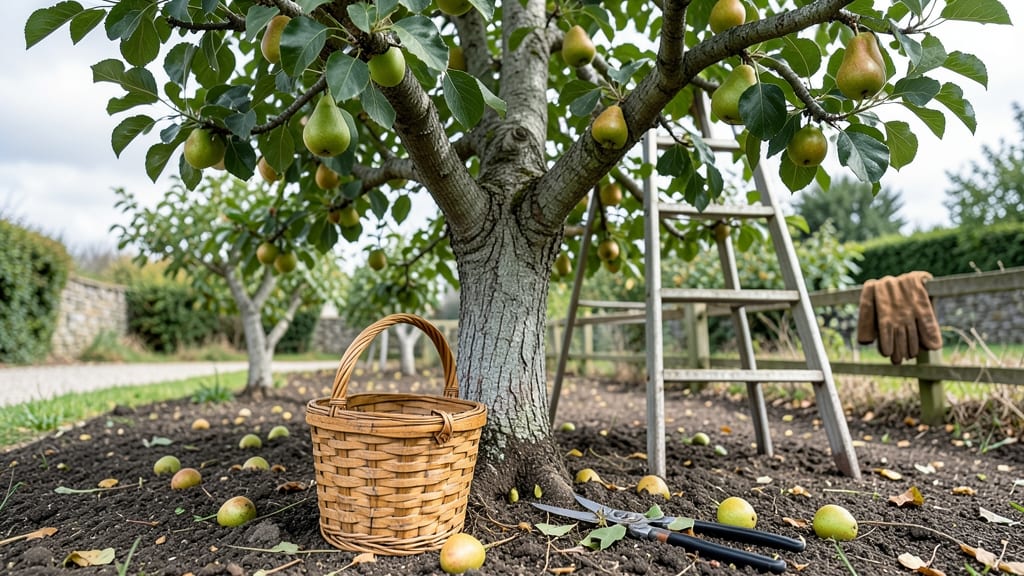
Harvesting pears in the right month means the difference between a meal of juicy, sweet fruit and one that’s tough or mealy.
If you’ve ever bitten into a pear that’s still hard or bland, you know the frustration of picking too soon—or waiting too long.
The best time to harvest pears depends on your variety and climate, but most ripen between late summer and early fall, with some varieties ready as early as September and others lingering into October.
Beyond the calendar, ripeness comes down to simple tests: a gentle tug on the stem, a slight give when pressed, and a deepening color. I’ll walk you through the exact signs to watch for, plus how to adjust for storage if you’re not ready to eat them right away.
Whether you’re growing Bartletts, Anjou, or Asian pears, these tips will help you time your harvest perfectly—so you can enjoy pears at their peak, straight from your tree to your table.

Best months to harvest pears by variety (with climate adjustments)
Harvesting pears at the right time transforms bland fruit into sweet, juicy perfection. Temperature and variety dictate your harvest window—cool climates like USDA Zones 5-7 often see earlier harvests, while Zones 8-10 may extend into late fall.
I’ve grown Bartletts in Zone 6 for years, and timing is everything to avoid mealy texture or missed sweetness.
Most pear varieties ripen between late summer and early fall, but Asian pears buck the trend with a fall-to-winter harvest. Below, I’ve broken down the exact months for popular varieties, plus how to adjust for your local climate.
Pro tip: Never harvest based on color alone—always test ripeness first!
| Variety | Harvest Months (Cool Zones 5-7) | Harvest Months (Warm Zones 8-10) | Climate Notes |
|---|---|---|---|
| Bartlett (Williams) | Late August–September | September–October | Ripens fastest in heat; may split if rain follows harvest. |
| Anjou | September–October | October–November | Holds firmness longer; ideal for storage. |
| Bosc | October–November | November–December | Late-ripening; wait for deep russet color. |
| Asian (e.g., Hosui) | October–December | December–January | Crispest when chilled; harvest before first frost. |
For cool climates (Zones 5-7), pears often ripen 2-4 weeks earlier than in warmer regions.
My Bartletts in Zone 6 are typically ready by mid-September, while the same variety in Zone 9 might linger until October 15th. Heat accelerates ripening, so monitor fruit closely in southern zones—overripe pears turn mushy fast.
In warm climates (Zones 8-10), pears may need extra chill hours to sweeten properly. If your area has fewer than 400 chill hours, choose varieties like Seckel or Orient, bred for low-chill conditions.
I once grew Anjou pears in Zone 10 and had to harvest them green—they never fully ripened on the tree!
Temperature swings also play a role. A sudden cold snap can trick pears into thinking winter’s coming, halting ripening. If temps drop below 50°F (10°C) during harvest season, pick fruit immediately and store it indoors to finish ripening. Conversely, consistent 80°F+ (27°C+) days speed up the process—check pears weekly in these conditions.
Regional microclimates matter too. Mountain valleys often harvest 1-2 weeks earlier than nearby plains due to cooler nights. If you’re in a high-altitude zone (e.g., Denver, CO), adjust your timeline by subtracting 7-10 days from the table above. For coastal areas, add 5-7 days—marine air delays ripening.
One critical mistake I see often? Harvesting based on calendar dates instead of ripeness. A Bosc pear left on the tree past its prime won’t recover—it’ll develop off flavors and mealiness.
Always perform the stem twist test: If the stem separates cleanly with a slight tug, it’s ready. If not, wait 3-5 days and check again.
For storage pears (Anjou, Bosc), harvest slightly firmer than ripe and store in a cool (32–40°F / 0–4°C), humid (90%+) space.
I use a garage with a humidity tray—these pears can last 2-3 months this way. Eating pears (Bartlett, Asian), however, should be harvested at peak ripeness for best flavor.
Pro tip: Label your trees with harvest dates! I use waterproof markers on wooden stakes to track when each variety was planted and when to expect fruit. This system has saved me from missed harvests and overripe disappointments for years. Now it’s your turn—grab a pencil and mark your calendar!
How to test pear ripeness: 5 non-negotiable signs (beyond color)
Color alone can't tell you if a pear is truly ripe—many varieties stay green or red even when ready to eat. I've learned the hard way that picking too early means mealy flesh, while waiting too long risks over-ripening.
The key lies in these 5 science-backed tests that reveal a pear's true readiness, whether you're harvesting for immediate eating or long-term storage.
These tests work for all pear varieties, from Bartlett to Bosc, and help you adjust your harvest timing based on whether you plan to eat the fruit fresh or store it for later.
The secret? Combining multiple indicators gives you the most accurate picture of ripeness, especially when temperature fluctuations can slow or speed up maturation.
- 🍐 Stem Test: Gently twist the pear's stem—if it separates cleanly with minimal force, it's ready. A stubborn stem means wait 3-5 days.
- 🤏 Texture Check: Squeeze gently—ripe pears yield slightly like a soft stress ball. Hard pears need more time; mushy ones are overripe.
- 👃 Aroma Test: Bring a pear to your nose—ripe ones emit a sweet, floral scent. No smell? Not ready yet.
- 🌱 Seed Darkness: Cut open a pear—if the seeds are dark brown, the fruit is ripe. Light seeds mean more time on the tree.
- 🔊 Thump Test: Tap the pear—it should sound hollow like a drum. A dull thud means it's underripe.
The stem separation test is my go-to because it's foolproof. I've found that pears ready for storage (like Bosc) often pass this test 1-2 weeks before they're ideal for eating fresh.
For storage varieties, harvest when the stem separates but the fruit still feels slightly firm—this lets them ripen off the tree while maintaining texture.
Skin texture reveals a lot too. Mature pears develop a slight bloom or waxy coating, especially in cooler climates. If the skin feels dull rather than glossy, that's another sign of ripeness. I always check this after rain—wet pears can trick you into thinking they're ripe when they're not!
Aroma is often overlooked but critical. Ripe pears smell like a mix of honey and apples. If you're harvesting in warm climates, this scent appears earlier than in cooler zones because heat speeds up ethylene production.
Pro tip: Bundle unripe pears with ripe apples or bananas in a paper bag to hasten ripening at home.
For late-season varieties like Seckel pears, combine these tests with your local frost dates. If your area gets early frosts, harvest when the stem separates even if other signs aren't perfect—you can finish ripening them indoors. Just avoid storing them near ethylene-producing fruits like tomatoes, which can cause uneven ripening.