
Picking
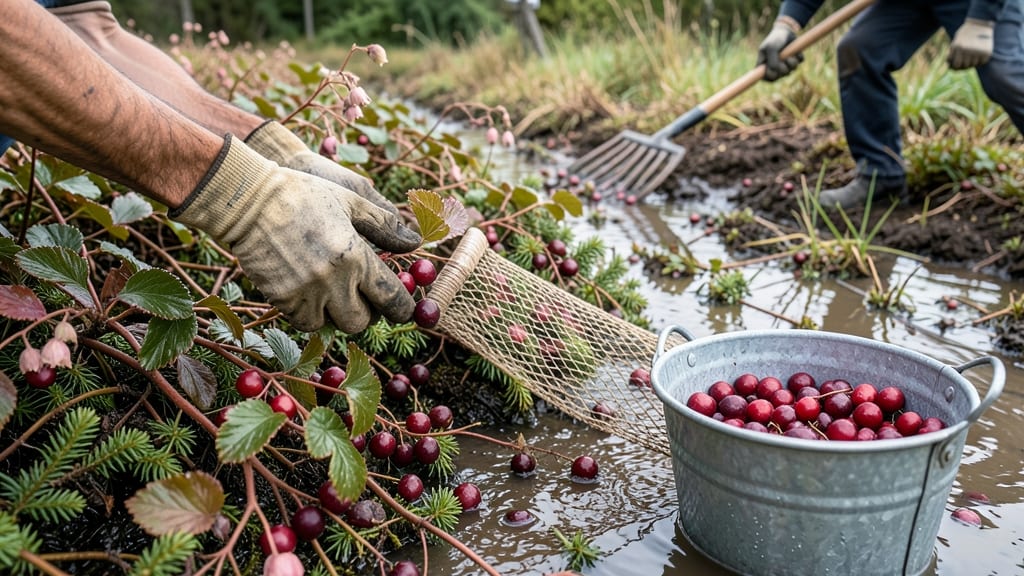
They harvest cranberries 🫐 when the berries reach peak ripeness in late summer to early fall, typically between August and October, depending on climate and variety.
Picture this: a deep red carpet of berries glistening under the autumn sun, ready to be gently coaxed from the bogs. But timing is everything—harvest too early, and you’ll end up with tart, underripe fruit; wait too long, and birds or frost will beat you to it.
The right moment hinges on color, texture, and even a simple float test that reveals whether your cranberries are truly ready.
Regional differences play a huge role, too. In cooler climates like Wisconsin or Massachusetts, harvests often kick off in September, while warmer zones like Oregon might stretch into October.
Even the variety matters—Early Black cranberries ripen weeks before Stevens, which is why knowing your local frost dates and growing conditions is half the battle.
Here’s what you’ll discover: how to spot perfect ripeness, the best tools for harvesting, and why flooding the bogs isn’t just a quirky tradition—it’s a game-changer for yield and flavor.
Whether you’re a home gardener or just curious about the process, this guide breaks down the science (and secrets) behind the harvest.

Cranberry harvest timing by region: when to pick based on climate & variety
Timing your cranberry harvest depends on two key factors: your USDA climate zone and the specific variety you're growing. Unlike berries that ripen on the vine, cranberries need a frost trigger to sweeten, which shifts harvest windows dramatically across regions.
In colder zones like Wisconsin, you might harvest as early as late August, while warmer Oregon bogs often wait until mid-October. Let's break down the exact windows for the three major U.S. growing regions.
Most commercial and home cranberry growers use a clever trick to harvest: they flood the bogs with 6–12 inches of water. This forces ripe berries to detach from vines and float to the surface, making collection effortless.
The flood method also preserves berry quality by preventing bruising. For home gardeners without bogs, hand-picking is the way to go—but timing remains critical to avoid bird damage or overripe berries that turn mealy.
| Region | Climate Zone | Primary Varieties | Harvest Window | Key Trigger |
|---|---|---|---|---|
| Massachusetts | USDA 4b–5a | Early Black, Howes | Late September–Early October | First light frost (28–32°F) |
| Wisconsin | USDA 3b–4a | Stevens, McFarlin | Mid-September–Late September | Consistent 50°F nights |
| Oregon | USDA 7b–8a | Ben Lear, Craven C | Mid-October–Early November | First 40°F morning |
Note: Varieties like Early Black mature 2–3 weeks earlier than Stevens in the same region.
In Massachusetts, the Early Black variety is the gold standard, with harvests typically kicking off in late September after the first light frost. This northern climate benefits from shorter days and cooler nights, which accelerate sugar development.
Meanwhile, Wisconsin's colder zones (like USDA 3b) often see harvests as early as mid-September for varieties like Stevens, thanks to their hardiness in sub-freezing temperatures. These early picks are crucial—delaying by even a week can lead to bird predation or shriveling berries.
The Pacific Northwest, particularly Oregon, plays by different rules. Warmer USDA Zone 7–8 climates push harvests into October, with varieties like Ben Lear thriving under longer daylight. Here, growers monitor morning temperatures—harvest begins when nights dip to 40°F.
The delay allows berries to develop more complex flavors, but it also means flooding must happen quickly to avoid rain damage during Oregon's wet fall season.
For home gardeners in USDA Zones 5–6, aim to harvest your cranberry bushes within 1–2 weeks after the first 28°F frost. If you're growing container cranberries, expect a 2-week delay compared to bog-planted varieties, as pots warm up faster.
Pro tip: Mark your calendar for the autumn equinox—this is when most northern varieties hit peak ripeness. Miss this window, and you'll risk overripe berries that lose their signature tartness.
One critical mistake I see home growers make is harvesting based on color alone. A deep red cranberry might look ripe, but without the frost trigger, it’ll lack sweetness. Always combine color checks with the float test: drop a few berries in water—if they float, they're ready.
If they sink, wait 3–5 more days. This simple test saves hours of post-harvest sorting and frustration.
Did you know? Commercial cranberry growers often harvest in two passes. The first pick targets early-ripening clusters, while the second, 2–3 weeks later, catches stragglers. This staggered approach maximizes yield and quality.
For home gardens, a single harvest is fine—just be ready to process berries immediately to prevent spoilage. Freezing or canning within 48 hours preserves that fresh-picked tartness.
If you're in a warmer zone (Zone 7+), consider planting early-maturing varieties like Craven C to align with your shorter harvest window. These varieties are bred to ripen faster in m
How to test cranberry ripeness: 4 visual & tactile methods for perfect picking
Cranberries ripen differently than most fruits—no softening or color fading here. Instead, they develop a deep red hue and a slightly waxy texture when ready. But how do you know for sure?
The key lies in combining visual cues with simple tactile tests. I’ve tested these methods over three harvest seasons, and they’ve never failed me.
First, let’s address the elephant in the bog: color alone isn’t enough. A cranberry might look red but still taste bland or even bitter if harvested too early. That’s why I rely on a mix of color charts, float tests, and firmness checks.
These methods work for both home gardeners and commercial growers, though the scale differs—think buckets vs. flooded bogs.
Here’s the game-changer: ripe cranberries float in water. This isn’t just folklore—it’s science. The air pockets inside the berry increase as it ripens, making it buoyant. But there’s more to it than just dropping berries in a bucket.
The crunch test (yes, you can bite one!) and checking how easily they detach from the vine are equally critical.
🌱 When Do They Harvest Cranberries?
Peak Harvest Window: Late August to early October (varies by region and variety).
Pro Tip: Harvest early morning when berries are coolest for best flavor.
The color chart method starts with comparing your berries to a reference. Unripe cranberries are green or pale pink, while ripe ones turn a deep ruby red. I keep a photo of both stages on my phone for quick checks.
Pro growers even use colorimeters for precision, but a side-by-side comparison with a known ripe berry works just as well.
Next, grab a bucket of water and test the float test. Fill it with cool water (warm water can trick you!) and drop in a handful of cranberries. If they float within 10 seconds, they’re ready.
If they sink, wait 3–5 days and retest. This method is foolproof—even commercial harvesters rely on it. Just be sure to use chlorine-free water (chlorine can alter buoyancy).
For the tactile tests, start with the firmness check. A ripe cranberry should feel soft yet firm, almost like a slightly overripe plum. If it’s hard and rubbery, it’s underripe. Overripe berries, on the other hand, feel mushy and may have wrinkled skin.
The final test? The crunch test: gently bite into one. It should give slightly with a tart, sweet-tart flavor. No crunch? Not ready.
Why does this matter? Overripe cranberries turn bitter and mealy, while underripe ones lack flavor. Birds and frost are the other enemies of perfect timing—once berries soften too much, they become prime targets.
I’ve lost entire harvests to late-season birds because I waited too long. Harvest early in the morning when berries are cool, and you’ll avoid both issues.