
Picking
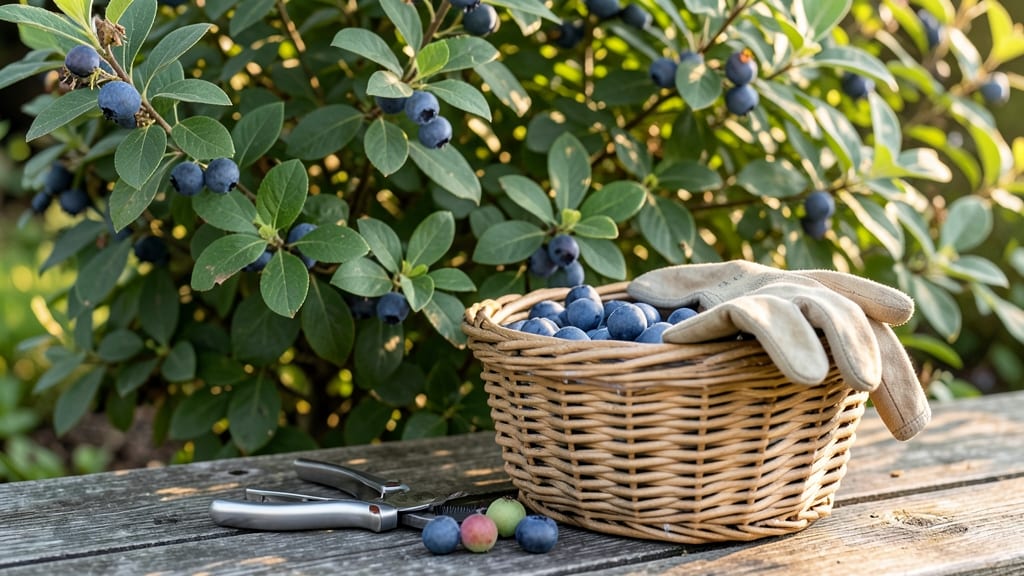
Harvesting blueberries at the right time means the difference between sweet, juicy 🫐 berries and bitter, mealy ones that birds will snatch in seconds.
Picture this: you’ve waited all season for your blueberry bushes to ripen, only to pick too early and end up with flavorless fruit—or too late, and the berries turn mushy and fall off the plant. Getting the timing right is the key to a bountiful harvest.
In Zone 6, most varieties ripen between June and August, but the exact moment depends on color, size, and firmness. Below, I’ll walk you through three simple tests to determine when your blueberries are perfectly ripe—and how to avoid common mistakes that ruin the harvest.
Whether you’re a first-time grower or a seasoned gardener, these tips will help you pick blueberries at their peak, ensuring a harvest that’s sweeter and more abundant than ever before.

3 Reliable tests to determine blueberry ripeness
Harvesting blueberries at the perfect moment transforms your garden into a treasure trove of sweet, juicy fruit. But how do you know when they're truly ready? Overripe berries turn mealy and lose flavor, while underripe ones stay bitter and tart.
The key lies in combining three simple tests: color, touch, and taste. Mastering these will help you avoid the frustration of picking too early or too late.
First-time blueberry pickers often rely solely on color, but that's only part of the story. Some varieties like Jersey or Bluecrop ripen to a deep blue, while others like Chester stay red or purple.
The real magic happens when you combine all three tests for foolproof results. Let's break down each method so you can confidently fill your buckets with perfectly ripe berries every time.
Start with the color check as your first filter. Blueberries like Bluecrop or Duke turn a rich blue when fully ripe, while Southern Highbush varieties often stay red or purple.
Pro tip: Use a white background to spot the glossy sheen that signals ripeness. This visual cue helps you quickly eliminate underripe clusters from your harvest bucket.
Next, apply the touch test to confirm ripeness. Press a berry gently with your thumb—it should feel plump but slightly yielding, like a ripe peach. If it springs back when released, it's not ready.
Overripe berries will feel mushy and may leave an indentation. This test is especially useful for early-season varieties like Earliblue, which ripen faster and can easily be picked too early.
For absolute certainty, always perform a taste sample. Pop one berry into your mouth—it should burst with sweetness and minimal tartness. If it tastes overly sour or bland, wait another day or two.
Remember, blueberries continue to ripen slightly after picking, so don't rush the harvest. This step is crucial for late-season varieties like Patriot, which can develop complex flavors as they ripen.
The stem test is often overlooked but is one of the most reliable indicators. A ripe blueberry should detach easily with a slight twist—almost like it's begging to be picked. If the berry resists and the stem snaps instead, it's not ready.
This test helps you avoid the frustration of harvesting half-ripe clusters, which can lead to uneven ripening in your storage containers.
For best results, combine all three tests in this order: color → touch → taste → stem. This sequential approach ensures you're only picking berries that meet all criteria for perfect ripeness.
I like to work in morning hours when temperatures are cooler, as this reduces the risk of bruising during handling. Keep a small bucket nearby to collect your perfectly ripe berries as you go.
Regional variations can affect ripening times, so pay attention to your local climate. In warmer zones (7-9), blueberries may ripen faster and require more frequent checks. Conversely, in cooler zones (4-6), the harvest season extends later into summer.
Always adjust your testing frequency based on your specific growing conditions to maximize your yield.
One common mistake is harvesting based on cluster ripeness rather than individual berries. Not all berries on a cluster ripen at the same time—some may be ready while others lag behind.
To avoid this, pick berries selectively, leaving underripe ones to ripen further. This method ensures you get the best flavor from each harvest and reduces waste.
Store your freshly picked blueberries in the refrigerator for up to one week to preserve their freshness. For longer storage, consider freezing them in a single layer on a tray before transferring to a bag.
Properly ripened blueberries make the best jam, muffins, or fresh snacks, so your effort in perfecting the harvest will pay off in delicious ways.
With these three tests mastered, you'll never again wonder when to harvest blueberries. The combination of visual, tactile, and taste cues gives you a foolproof system that works for any variety.
Soon, your friends will be asking for your secret to perfect blueberries—just remember to keep a few berries for yourself!
Best time of day and season for blueberry harvesting
Timing your blueberry harvest isn't just about waiting for the berries to turn color—it's about understanding how temperature, sun exposure, and seasonal shifts work together. In my experience, harvesting at the wrong time can turn sweet berries into bitter, mealy disappointments.
The best time of day to pick is early morning, when temperatures are cooler and berries are at their firmest. This reduces bruising and keeps them fresher longer.
Seasonal timing varies by USDA zone and variety. In Zone 6, most blueberries ripen between late June and August, but early-season varieties like 'Jersey' may start as early as June, while late varieties like 'Bluecrop' peak in July-August.
Southern climates (Zones 7-9) often see harvests starting in May, while northern zones (Zones 3-5) may extend into September.
Temperature plays a crucial role in ripening. Blueberries ripen best when daytime temperatures stay between 65°F and 85°F. Heatwaves above 90°F can cause berries to ripen too quickly, leading to poor flavor and sunburn.
Conversely, cool mornings below 60°F slow ripening, which is why I always check for ripeness in the morning before the sun intensifies.
| Factor | Ideal Condition | Best Practice |
|---|---|---|
| Time of Day | Early Morning (5-9 AM) | Cooler temps preserve firmness |
| Season (Zone 6) | Late June - August | Check varieties for staggered ripening |
| Temperature | 65°F - 85°F | Avoid heatwaves (>90°F) that spoil flavor |
| Climate Zone 7-9 | May - July | Harvest earlier than Zone 6 |
| Climate Zone 3-5 | July - September | Extend season with frost protection |
If you're growing multiple varieties, like 'Bluegold' and 'Patriot,' expect a staggered harvest over 3-4 weeks. Early varieties like 'Chippewa' ripen first, followed by mid-season types, and finally late varieties like 'Duke.' I recommend harvesting each cluster separately to avoid mixing ripeness levels, which can dilute flavor.
One common mistake is waiting until berries fall off the bush on their own—a sure sign they're overripe. By then, they're often mushy and attract pests like birds and raccoons. Instead, pick berries when they're firm but yield slightly to gentle pressure.
This ensures maximum sweetness and shelf life. Store harvested berries in the fridge for up to one week, or freeze them for longer storage.
For container-grown blueberries, timing is even more critical because their smaller root systems can't regulate moisture as well. I’ve found that container plants often ripen 1-2 weeks earlier than in-ground bushes, so monitor them closely.
Mulching with pine needles or straw helps maintain consistent soil moisture and acidity, which directly impacts ripening speed.