
Pests and Diseases
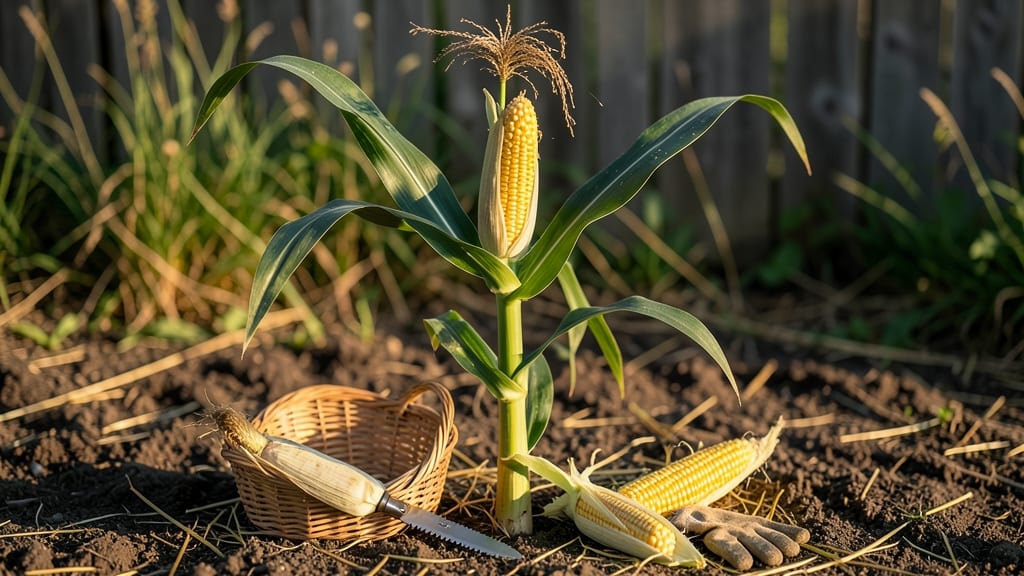
Harvest time for corn arrives when silks turn brown and kernels reach peak sweetness—missing this window means tough, starchy cobs instead of tender, flavorful ears.
Timing matters more than you think. One day too early and you’re left with watery kernels; one day too late and the sugars convert to starch, turning your harvest into a chewy disappointment. I’ve learned that lesson the hard way more times than I’d like to admit.
Most gardeners in Zone 6a can expect their 🌽 to be ready between July and September, but the exact moment depends on variety, weather, and a few simple tests. Below, I’ll walk you through the foolproof ways to tell when your corn is at its sweetest—no guesswork required.
You’ll discover how to read silk color, perform the milk-line test, and even adjust for regional differences so you never miss the perfect harvest again.

How to determine corn harvest time using silk color and kernel tests
Harvesting corn at the perfect moment ensures sweet, tender kernels packed with flavor. Miss the window, though, and you'll end up with starchy, tough cobs that taste more like cornmeal than fresh-picked sweetness.
The key lies in two simple but critical indicators: silk color changes and the kernel milk line test. These visual cues tell you exactly when to grab your harvest knife and pull those ears from the stalk.
Most home gardeners wait 70-85 days after planting before checking for readiness—this matches the ideal maturity window for most sweet corn varieties. But relying on days alone isn't enough; environmental factors like temperature swings or drought stress can delay ripening.
That's why mastering the silk drying process and kernel firmness test will save your harvest—and your taste buds.
Step-by-Step Guide to Harvesting Corn at Peak Ripeness
- 1 Check the silks: When 75% of silks turn brown and crispy (not just yellowing), it's time to investigate further. Silks that remain green or damp signal the ear isn't ready yet.
- 2 Peel back the husk: Gently pull back the outer husk layers to expose the ear. If the husk resists or tears, the corn isn't ready. A loose, dry husk is a green light.
- 3 Perform the milk line test: Pierce a kernel with your fingernail. If a milky white liquid oozes out, it's prime for picking. No liquid? Wait 1-2 days. Too watery? Harvest immediately—overripe corn loses sweetness fast.
- 4 Assess kernel firmness: Squeeze the ear gently. It should feel heavy for its size and firm to the touch. Kernels should also click slightly when pressed—like snapping a green bean. Mushy kernels mean it's past its prime.
- 5 Harvest method: Use a sharp knife to cut the stalk about 1 inch below the ear. Twisting can damage the plant. For sweet corn varieties, harvest in the morning after dew dries to preserve sweetness.
Regional climates can shift these timelines slightly. In hotter southern zones, corn may ripen 10-14 days faster than in cooler northern regions. For example, a Georgia garden might see harvest-ready ears by early July, while Minnesota growers could still be checking silks in late August.
Always adjust your harvest schedule based on local weather patterns.
Pro tip: If your corn plants are struggling with pests like corn earworms, harvest 2-3 days earlier than usual. Earworms lay eggs in silks, and their larvae burrow into kernels, making them inedible.
A light dusting of diatomaceous earth on silks can deter them, but prevention starts with early harvesting when you spot the first signs of pest activity.
Once you've mastered these tests, you'll never again guess whether your corn is ready. The silk color and kernel milk line are your foolproof guides to peak sweetness.
And remember: Sweet corn loses flavor within hours of harvest, so plan to eat or freeze it within 24-48 hours for the best results. Happy harvesting!
🌽
Best practices for harvesting sweet corn at peak ripeness
Harvesting sweet corn at the perfect moment ensures maximum sweetness and tenderness. The key is watching for three critical signs: silk color, kernel moisture, and husk separation. I’ve found that even a single day’s delay can turn sweet kernels into starchy, tough ones—so don’t wait!
Start by checking the silks at the top of the ear. When they turn brown and crispy, that’s your first cue. Next, peek at the kernels by pulling back the husk slightly.
The kernels should feel plump and firm, not soft or shriveled. This is when the milk line appears—a creamy liquid inside the kernel.
Here’s where many gardeners go wrong: harvesting too early because the silks aren’t fully brown yet. Green or yellow silks mean the corn isn’t ready, and you’ll end up with watery, underdeveloped kernels.
On the flip side, waiting too long lets the sugars convert to starch, making the corn dry and mealy. Balance is everything!
Silks still yellow? Kernels are underdeveloped—wait 2-3 days.
Silks brown but kernels hard? You’ve missed the sweet window!
Pro Tip: Test one ear first by cutting into a kernel. If it’s milky white, harvest the whole plant immediately. If it’s clear or yellow, wait another day.
Another trick I swear by is the ear weight test. A ripe ear feels heavy for its size—almost like it’s too big for its husk.
Gently shake it; if it feels dense and solid, it’s ready. This works especially well for heirloom varieties, which can vary in ripening time.
Once you’ve confirmed ripeness, harvest on a cool, dry morning to preserve sweetness. Use a sharp knife to cut the stalk about 1 inch below the ear, or twist gently to avoid damaging the plant. Leave the husks on until you’re ready to cook—this helps retain moisture and flavor.
After harvesting, store corn in the fridge for up to 5 days or blanch and freeze for long-term storage. But remember: freshly harvested corn tastes best within 24 hours. The sooner you cook it after picking, the sweeter and more tender it’ll be—trust me, your taste buds will thank you!