
How To
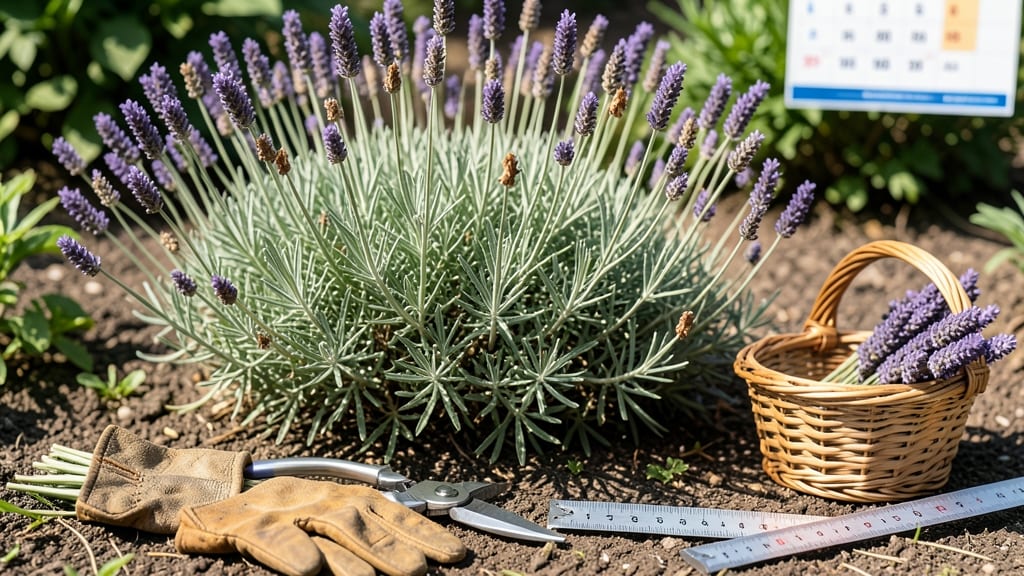
Harvesting lavender too late can turn your fragrant bundles into woody, flavorless stems — and knowing when that cutoff happens saves you from wasted effort.
Picture this: you’ve waited all summer for your 🌿 lavender to reach peak bloom, only to realize the buds are now fully open and the stems feel hard as a pencil. That’s your sign it’s past the ideal harvest window.
The key is timing: buds should be just beginning to open (about one-third unfurled) for the best oil content and fragrance. Past that, the stems harden, the scent fades, and you’re left with stems that won’t dry well.
Below, I’ll show you exactly how to test for woodiness, spot the perfect bud stage, and avoid common late-season mistakes that ruin your harvest — so you never miss the sweet spot again.

How to test lavender stems for woodiness (the key sign it’s too late)
When lavender stems start feeling hard as a pencil and lose their flexibility, that’s your first warning sign. Woody stems mean the plant has passed its prime harvest window, and any buds left will be past their peak oil content and fragrance.
I’ve learned the hard way—cutting stems that feel rigid and woody leads to poor-quality dried bundles or essential oils. The stem woodiness test is your best tool to avoid this mistake and ensure you’re harvesting at the perfect moment.
Here’s how to perform the test: gently pinch a stem between your thumb and forefinger. If it feels hard and unyielding (like a pencil or small branch), it’s too late. If it’s still slightly flexible and green, you’re in the ideal harvest window.
⚠️ When Is It Too Late to Harvest Lavender?
If your lavender stems feel hard and woody, buds are fully open, and the plant smells faint, it’s past the ideal harvest time. Woody stems indicate the plant is shifting energy to seed production, reducing oil quality and fragrance.
🌱 Action: Stop harvesting immediately—these stems won’t dry well and yield poor-quality oil.
The bud stage is equally critical. When buds are just beginning to open (about one-third unfurled), they’re packed with essential oils and fragrance. Once they fully bloom, the oils degrade, and the stems harden.
For essential oil production, harvest when buds are tight but slightly elongated. For dried bouquets, you can wait until buds are fully open, but the stems will be less flexible and may snap during drying.
Another telltale sign is the color change in the stems. Young stems are green, but as they mature, they turn brown or grayish. This color shift coincides with woodiness and signals it’s time to stop harvesting.
If you’re unsure, crush a bud between your fingers. A strong, sweet aroma means it’s ready. A weak or musty smell? That’s your cue to wait—or better yet, stop harvesting entirely.
Pro tip: Harvest in the early morning when essential oils are most concentrated. This small detail makes a big difference in the quality of your dried lavender or infused oils.
Remember, lavender’s harvest window is short—typically mid-to-late summer. Missing it means waiting another year for another chance. Use the woodiness test to stay on track and enjoy the best your plants have to offer.
Lavender bud stage guide: when to harvest for oil vs. dried bouquets
Harvesting lavender at the right bud stage determines whether you’ll end up with premium essential oils or just pretty—but low-quality—dried bouquets. The difference lies in how far the buds have opened.
For oil extraction, you want buds that are tight but slightly elongated, while dried arrangements can tolerate slightly more open buds, though the stems will be less flexible.
I’ve found that essential oil producers often miss the sweet spot by waiting too long, while floral crafters sometimes harvest too early for their needs. The key is understanding these two distinct harvest windows and matching them to your end goal.
Let’s break down the visual and tactile cues to help you decide when to cut for each purpose.
For essential oil production, the 1/3 unfurled stage is critical. At this point, the buds contain the highest concentration of lavender oil, which is why professional distillers harvest lavender at this exact moment.
The stems should feel firm but not rigid, and crushing a bud should release a powerful, sweet aroma. If you wait until buds are fully open, the oil content drops by up to 30%, making your harvest far less valuable.
If you’re creating dried bouquets, you can afford to wait until buds are fully open, but there’s a trade-off. The stems will be harder and more brittle, increasing the risk of breakage during drying.
I’ve seen beautiful arrangements ruined because the stems snapped while hanging. For bouquets, focus on fully open but not yet wilting buds, and handle stems with care to preserve their structure.
One mistake I see often is harvesting lavender when the buds are fully open and the stems have turned brownish-gray. This is a clear sign the plant is shifting its energy toward seed production, and the oil content has already declined.
At this stage, the stems become woody and unyielding, and the fragrance fades significantly. If you find yourself in this situation, it’s best to stop harvesting entirely—these stems won’t dry well and will crumble when handled.
To maximize your harvest, I recommend checking your lavender plants every 3-4 days during peak season (mid-to-late summer). Use the stem pinch test from the previous section to confirm readiness, and always harvest in the early morning when essential oils are most concentrated.
This attention to detail ensures you capture the peak quality for either oil or dried arrangements.