
How To
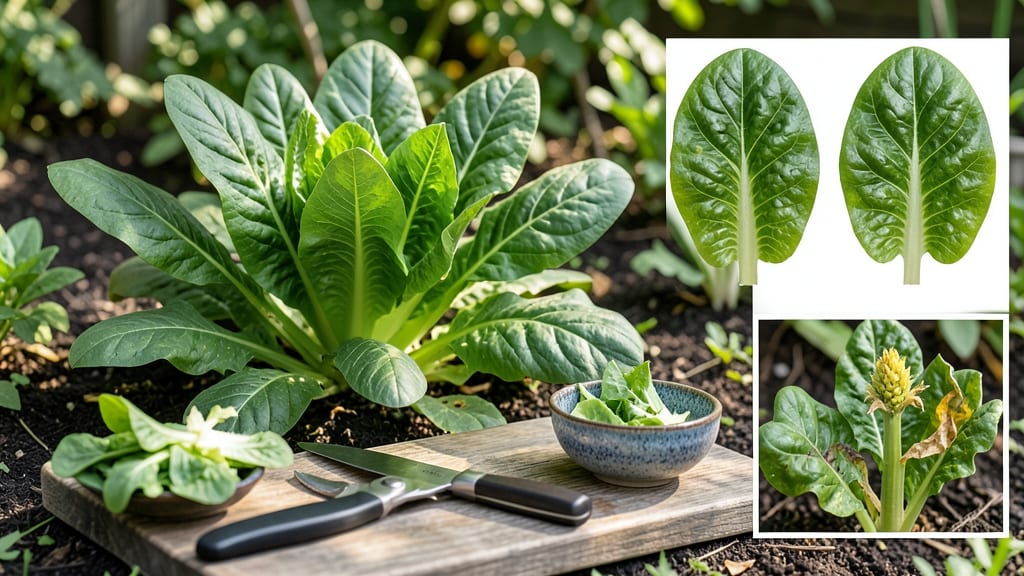
Harvesting romaine lettuce too late turns your crisp, fresh 🥬 into a tough, bitter mess—so timing is everything, especially in USDA Zone 6 where spring and fall windows are tight.
Picture this: you’ve nurtured your romaine for weeks, only to pull a head that’s woody, hollow, or—worst of all—sending up a flower stalk. That’s the moment you realize you’ve missed the prime harvest window, and now you’re stuck with lettuce that’s more suitable for compost than salads.
Most gardeners know romaine thrives in cool weather, but even the hardiest varieties have a cutoff point. After about 50-70 days, the leaves start to toughen, and the core can turn bitter or hollow.
Heat stress or late-season warmth speeds this up, making the difference between a perfect harvest and a disappointing one just a matter of days.
In this guide, I’ll show you the 3 key signs your romaine is past its peak—plus how to salvage what’s left and extend your harvest window without sacrificing flavor or texture.

3 Clear signs your romaine lettuce is past its prime harvest window
Romaine lettuce thrives on timing—harvest too early, and you miss out on full flavor and texture. But push it past its prime, and you’ll end up with tough, bitter leaves that even your most adventurous salad lovers will reject.
The 3-5 week growth window is where romaine shines, but once it crosses into overmaturity, the clock runs out. Understanding these three irreversible signs will save your harvest from becoming a culinary misstep.
First, let’s clarify the ideal harvest window: Romaine lettuce typically reaches peak harvest readiness between 50-70 days after sowing, depending on the variety. However, if you wait too long, the plant shifts from crisp perfection to bitter, woody disappointment.
The key is recognizing these three telltale signs before they ruin your crop.
Miss these cues, and you’ll face bolting (flowering), stem thickening, and unpleasant bitterness—all irreversible without drastic action. Let’s break down the physical and taste-based indicators that scream "it’s too late!"
- 1. Thick, Woody Stems – When the stem diameter exceeds 1/4 inch, the lettuce is past its prime. The core becomes tough and fibrous, making it inedible raw.
- 2. Bitter Taste Test – If a leaf tastes sharp, peppery, or overly bitter, the plant has entered its bolting phase. This bitterness is irreversible and won’t improve with cooking.
- 3. Leaf Texture Shift – Crisp romaine transforms into leathery, curled, or brittle leaves. Once the edges start yellowing or browning, the harvest window has closed.
Let’s dive deeper into each of these signs. The first red flag is stem thickness. When your romaine’s core grows thicker than a pencil, it’s a clear indication that the plant is prioritizing seed production over leaf growth.
This thickening happens as the plant shifts energy from leaves to the flowering stalk, which is inedible. If you’ve been harvesting outer leaves, you might miss this early on, but once the core hardens, the entire head becomes tough and unappetizing.
Next, bitterness development is your taste-based warning. Romaine lettuce naturally contains mild bitterness, but when it becomes overwhelmingly sharp or peppery, it’s a sign the plant is stressed or bolting. This bitterness is caused by compounds like lactucin, which increase as the plant matures past its prime.
Unfortunately, this isn’t just an "off" flavor—it’s a chemical shift that won’t improve, even if you blanch the leaves.
The third sign is leaf texture degradation. Fresh romaine should feel crisp and slightly firm to the touch. But once the leaves start feeling leathery, brittle, or overly soft, the plant is past its peak.
You might also notice yellowing edges or curled leaf tips, which are classic signs of overmaturity or heat stress. At this stage, the lettuce loses its signature crunch and becomes more like a sad, wilted salad ingredient.
Timing is everything with romaine. The ideal harvest window is when the leaves are 6-12 inches tall and the head is tight but not overly dense.
If you’re growing ‘Little Gem’ or ‘Parris Island’ varieties, they’ll bolt faster in hot weather, so keep an eye on the days to maturity listed on your seed packet. For most varieties, once you hit 70 days, the risk of overmaturity increases dramatically.
What’s even more frustrating is that these signs often appear gradually, making it easy to miss the window. One day, your romaine is perfect for Caesar salads, and the next, it’s too tough to chew.
To avoid this, I recommend harvesting outer leaves first and using the cut-and-come-again method to extend the harvest window. This way, you can enjoy multiple harvests before the plant reaches its bitter, woody stage.
If you’ve already missed the window, don’t despair—there are still ways to salvage your crop. For slightly overmature romaine, you can blanch the leaves to mellow the bitterness, though it won’t fully disappear. In extreme cases, you might repurpose the tougher stems as compost or mulch instead of wasting them.
But the best strategy? Stay vigilant and harvest before the plant sends up a flowering stalk, which is the ultimate sign it’s too late.
Remember, romaine lettuce is a fast grower, but it’s also short-lived once it passes its prime. By watching for these three signs—thick stems, bitterness, and texture changes—you’ll ensure your harvest stays crisp, flavorful, and worth the effort.
Now, grab those sharp scissors and get harvesting before your romaine turns into a garden science experiment!
How to extend your romaine lettuce harvest: cut-and-come-again vs. full pull
Romaine lettuce thrives on staggered harvesting, letting you enjoy fresh greens for weeks instead of days. The cut-and-come-again method is my go-to for maximizing yield—just snip outer leaves while leaving the core intact.
This trick works best with loose-leaf varieties like 'Little Gem' or 'Black Seeded Simpson', which regrow vigorously after harvest.
But timing is everything. Harvest too late, and you risk bitterness or bolting—especially in hot climates. For example, 'Parris Island' romaine bolts faster in summer heat, so I pull it entirely when leaves reach 12 inches tall or show yellowing edges.
The key is balancing harvest frequency with plant health.
Here’s how the two methods compare for extending your harvest:
| Method | Harvest Technique | Best For | Harvest Window | Climate Notes |
|---|---|---|---|---|
| Cut-and-Come-Again | Snip outer leaves, leave core | Loose-leaf varieties | 3-5 weeks | Cooler seasons (spring/fall) |
| Full Pull | Cut entire plant at base | Heirloom or bolt-resistant types | Single harvest | Hot summers or late plantings |
For cut-and-come-again, I recommend harvesting outer leaves when they reach 6-8 inches—this triggers regrowth while keeping the plant productive. Stop when the core starts looking woody or the leaves taste bitter, usually after 4-5 harvests.
In my Zone 6 garden, this method works best from April to June and again in September-October.
If your romaine starts developing tall, hollow stems or flowers, it’s time for a full pull. This happens faster in heat-stressed plants or when days lengthen past 14 hours of light.
Varieties like 'Jericho' handle heat better, but even they’ll bolt if left too long. Pull the entire plant to prevent seed spread, which can lead to volunteer lettuce next season.
Pro tip: Mulch with straw or grass clippings to keep soil cool and extend harvest windows. I’ve added shade cloth (30%) in summer to delay bolting by 2-3 weeks—worth the effort for a second harvest! 🌱