
Picking
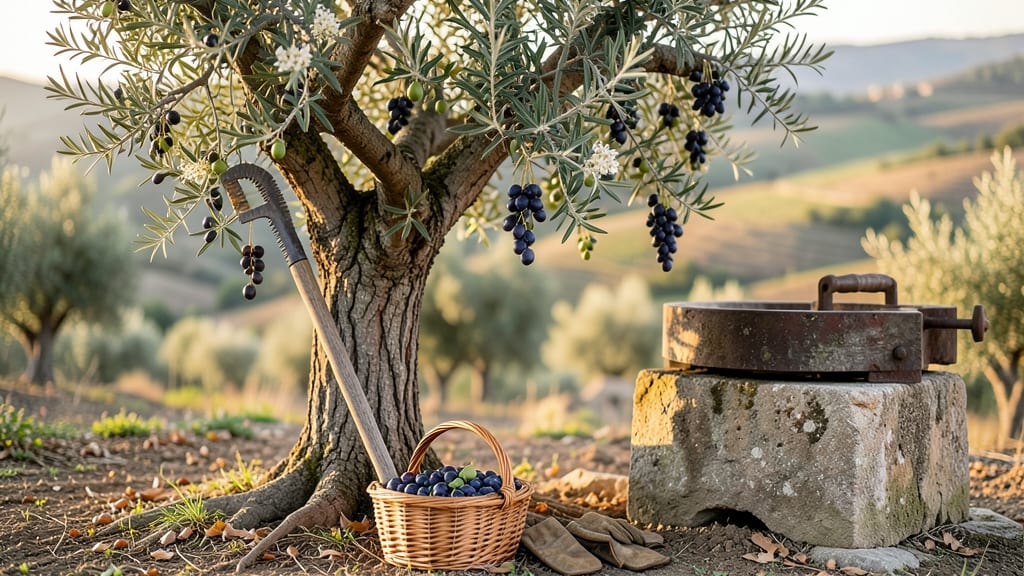
Olive harvest in Italy spans from October through January, with exact timing depending on the region and olive variety you’re working with.
Picture this: the golden groves of Puglia shimmering under the autumn sun, while Tuscany’s olives wait until December to ripen.
Whether you’re a farmer or just love fresh olive oil, nailing the harvest window is key to quality—and missing it can mean the difference between a smooth, fruity oil and something bitter or overripe.
Southern regions like Puglia and Calabria kick off as early as October, while northern areas like Liguria and Umbria often wait until January. Varieties like Frantoio peak in November, while Coratina holds out until December for its bold, robust flavor.
Weather plays a role too—early frosts or dry spells can push harvests forward, so keep an eye on the forecast.
In this guide, I’ll break down the exact months by region, the best practices for timing your harvest, and how to spot when your olives are ready to pick.
Whether you’re growing a single tree or sourcing for your kitchen, knowing when to harvest is the secret to great olive oil and table olives.

Olive harvest months in Italy by region: northern vs southern timing
Italy’s olive harvest, or l’olivata, is a carefully timed agricultural event that depends heavily on regional climate and olive varieties. Southern regions like Puglia and Calabria kick off as early as October, while northern areas like Tuscany and Umbria often wait until November or December.
These differences stem from warmer Mediterranean climates in the south versus cooler, continental conditions in the north.
The harvest window directly impacts olive oil quality and yield. Southern olives, exposed to earlier autumn warmth and sunlight, ripen faster, while northern olives benefit from a slower, more controlled maturation. Understanding these regional nuances helps farmers and enthusiasts plan for optimal picking times and processing schedules.
Below, I’ve broken down the harvest months for Italy’s top olive-producing regions, including traditional and modern harvesting methods that align with local climates. Whether you're a commercial grower or a home gardener with olive trees, this guide ensures you’re ready when the olives are.
| Region | Primary Varieties | Harvest Months | Climate Influence | Harvest Method |
|---|---|---|---|---|
| Puglia | Ogliarola, Cellina di Nardò | October–November | Hot, dry Mediterranean | Traditional: Hand-picking, rakes; Modern: Mechanical shakers |
| Calabria | Moresca, Dolce Agogia | October–December | Warm coastal, early rains | Traditional: Basket collection; Modern: Vibrating machines |
| Tuscany | Frantoio, Leccino | November–January | Cooler, continental | Traditional: Hand-picking; Modern: Combines for large groves |
| Umbria | Frantoio, Leccino | November–December | Mild, inland climate | Traditional: Family labor; Modern: Small-scale mechanization |
| Liguria | Taggiasca, Pignola | December–January | Coastal, humid | Traditional: Hand-picking; Modern: Gentle vibrators |
In Puglia and Calabria, the harvest begins in October due to the region’s hot, dry climate. Varieties like Ogliarola and Moresca ripen quickly under the autumn sun, making early picking essential to avoid over-ripening.
Traditional methods like hand-picking and rake collection are still common, though modern mechanical shakers are gaining traction for efficiency.
Contrast this with Tuscany and Umbria, where cooler temperatures delay ripening until November or December. The Frantoio and Leccino varieties thrive in these conditions, producing high-quality oil when harvested at peak ripeness. Here, family labor and small-scale mechanization dominate, reflecting the region’s focus on artisanal production.
Liguria, with its coastal humidity, often harvests latest, from December to January. The Taggiasca variety, prized for table olives, requires careful timing to balance flavor and texture. Gentle vibrating machines are preferred to avoid damaging the delicate fruit, a nod to Liguria’s tradition of quality
Best olive varieties for harvest and their ideal picking months
Italy’s olive harvest season is a delicate balance between variety, climate, and flavor goals. Each DOP-certified olive type has a specific harvest window that determines whether your oil will be mild and fruity or bold and peppery.
For example, Frantoio olives—a Tuscan staple—reach peak quality in late November, while Coratina olives from Puglia shine in December with their robust, spicy notes.
The color of olives at harvest is your first clue: green olives (like Leccino) are picked for mild, buttery oil, while black/purple olives (like Coratina) yield intense, peppery flavors.
Even within the same variety, harvest timing shifts by just a few weeks to optimize oil quality. For instance, harvesting Frantoio too early gives a grassier taste, while waiting too long risks bitterness or oil degradation.
If you’re growing Frantoio olives in Tuscany, aim for late November harvests to capture their peak fruity notes. These olives are prized for their versatility in oil blends and their ability to retain freshness longer post-harvest.
Meanwhile, Coratina olives in Puglia demand December timing—harvesting earlier can leave the oil too mild, while waiting too long risks over-ripening and bitter flavors.
For DOP-certified olives, like Sagrantino from Umbria, the window is October–November, but weather plays a critical role. A sudden cold snap can speed up ripening, so monitor leaf drop and olive color closely.
Even a 2-week delay can shift the oil’s aroma from floral to earthy, altering its market value significantly.
Pro tip: Test a few olives for moisture content—aim for 50–60% moisture for oil olives. If they’re too dry, the oil will be harsher; if too wet, it may ferment prematurely.
For table olives, wait until they’re fully black and plump, usually 1–2 weeks after oil olives.
Timing your harvest isn’t just about flavor—it’s about efficiency. In northern Italy, frost can damage olives by January, while southern regions often extend harvests into early January due to milder winters.
Whether you’re a home grower or a commercial producer, aligning your harvest calendar with these variety-specific windows ensures maximum yield and quality.