
Picking
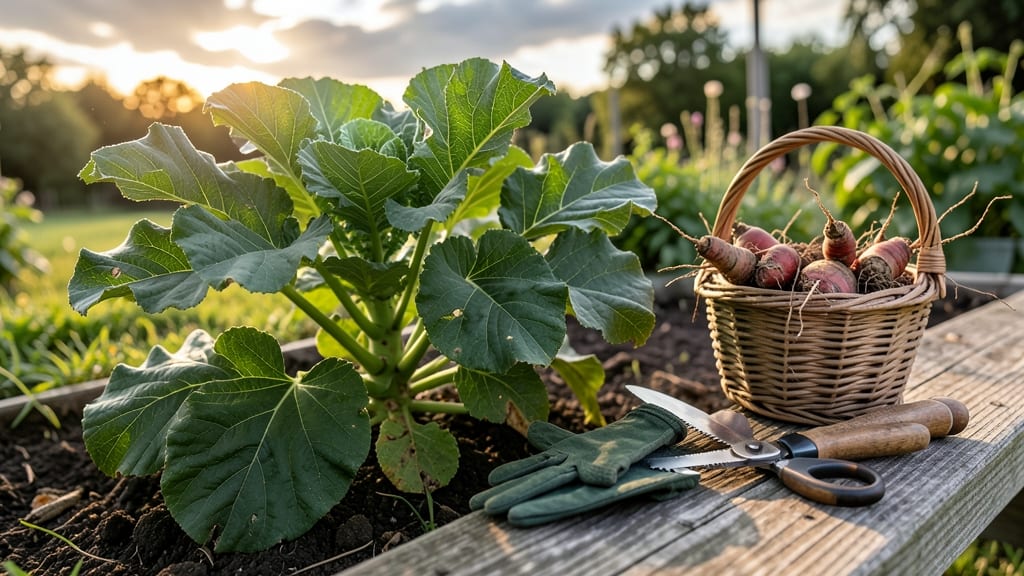
You should harvest horseradish in its second year when roots reach 6+ inches and leaves yellow in fall or winter 🌿 — timing this right unlocks maximum heat and flavor.
Harvesting too early means mild disappointment—too late, and you risk tough, woody roots. The key is watching for those yellowing leaves and a sharp, pungent aroma when you cut into the root.
In USDA Zone 6a, aim for late fall or winter harvests after the first frost, when the plant signals readiness through texture and scent. Organic growers may find slightly earlier harvests work, but conventional methods often wait until roots fully mature.
Below, I’ll break down the exact visual cues, seasonal adjustments, and root tests to guarantee you pull yours at peak spice—no guesswork required.

Horseradish root maturity signs: 5 visual & textural tests for perfect harvest timing
Harvesting horseradish at the right time means the difference between a mild, disappointing root and one packed with fiery pungency. Most gardeners wait too long, ending up with woody, tough roots that lack flavor.
But how do you know when your horseradish is ready? The answer lies in a combination of visual cues and textural clues that reveal the plant's maturity.
Horseradish is a biennial plant, meaning it typically takes 2 years to reach full maturity. However, you can harvest smaller roots in the first year if you're patient and attentive.
The key is to watch for five specific signs that indicate your horseradish is ready for harvest. Ignoring these signals often leads to overgrown, less flavorful roots.
🌱 5 Signs Your Horseradish Is Ready for Harvest
- 📏 Root Size: Roots should be 6–12 inches long and 1–2 inches thick at the widest point.
- 🍂 Leaf Color: Leaves turn yellow or brown and begin to wilt naturally in late fall or winter.
- 🌶️ Aroma Test: Cut a small piece of root—if it releases a strong, sharp odor, it’s ready.
- 💧 Soil Conditions: The ground should be cool (50–60°F) and slightly damp before harvest.
- 🧼 Root Texture: The root should feel firm and crisp, not soft or spongy.
Let’s break down each of these maturity indicators so you can confidently determine when to harvest your horseradish. The first sign to watch for is root size. A mature horseradish root should measure at least 6 inches in length and 1–2 inches in diameter.
Smaller roots will be less pungent and may not store well.
If your horseradish roots are still under 4 inches long, they’re not ready. These roots will taste mild and grassy, lacking the signature heat. Wait until they’ve grown significantly before digging. Pro tip: Measure roots from the crown (base) to the tip to ensure accuracy.
Next, pay close attention to the leaves. In late fall or winter, the foliage will naturally yellow and die back. This is a clear signal that the plant is redirecting energy to the roots, which is when they develop their strongest flavor.
If leaves are still green and healthy, your horseradish isn’t ready yet.
One of the most reliable tests for maturity is the aroma check. Cut a small piece of root and crush it between your fingers. If it releases a powerful, sharp scent, your horseradish is ready.
A mild or no smell means it needs more time. This test is especially useful for organic growers who avoid chemical fertilizers that can mask flavor.
The soil temperature also plays a crucial role in harvest timing. Horseradish thrives in cool soil (50–60°F). If your region experiences frost, wait until after the first light freeze to harvest.
Cold weather enhances the root’s pungency, making it ideal for harvest. Avoid harvesting in hot, dry conditions, as this can stress the plant and reduce flavor.
Finally, examine the root’s texture. A mature horseradish root should feel firm and crisp, almost like a small carrot. If it feels soft or spongy, it may be overripe or rotting.
Overly soft roots often develop in waterlogged soil or after prolonged wet weather. Always harvest in dry conditions to preserve texture and flavor.
One common mistake gardeners make is waiting until the roots are too large. While horseradish can grow much bigger than 12 inches, larger roots tend to be woody and less flavorful.
Aim for roots that are 6–12 inches long—this size range guarantees the best balance of spice and texture. If you miss the window, you can still harvest, but the flavor will decline over time.
For organic gardeners, timing is especially critical because synthetic fertilizers can mask maturity signs. Stick to compost and balanced organic fertilizers to ensure your horseradish develops naturally.
If you’re growing horseradish in containers, monitor root growth closely, as container-grown plants may mature faster or slower depending on soil conditions.
Once you’ve confirmed all five maturity signs, it’s time to harvest. Use a fork or spade to gently loosen the soil around the root, then pull it out carefully. Shake off excess dirt and store it in a cool, dark place for up to 6 months.
Properly timed harvests ensure your horseradish stays spicy and fresh for months to come. 🌱
Best harvesting methods for maximum spice: root extraction & storage techniques
Once your horseradish shows those yellowing leaves and 6+ inch roots, it’s time to harvest—but how you extract and store them determines whether you get that signature fiery kick or bitter disappointment. I’ve perfected a method that preserves maximum pungency while keeping roots fresh for months.
The key is gentle extraction to avoid bruising the roots, followed by proper drying and storage. Skipping these steps can turn your harvest into a mild, woody mess. Below, I’ll walk you through the exact process I use, plus my favorite regrowth hack for scraps.
- Step 1: Choose the Right Day – Harvest on a dry, overcast day to prevent soil from sticking to roots. Avoid wet soil, which can cause rot.
- Step 2: Loosen the Soil – Use a garden fork to gently loosen soil around the root base. Work in a circular motion to avoid cutting the root.
- Step 3: Lift with Care – Grasp the leafy top and pull upward while wiggling slightly. The root should slip out cleanly without breaking.
- Step 4: Shake Off Soil – Gently tap roots against a hard surface or use a soft brush to remove dirt. Avoid rinsing—moisture speeds up spoilage.
- Step 5: Trim and Cure – Cut off the leafy tops and any woody sections. Let roots air-dry in a cool, dark place for 24 hours to form a protective skin.
- Step 6: Store Properly – Wrap roots in paper towels and place in a sealed plastic bag. Store in the crisper drawer of your fridge for up to 6 months.
For organic growers, I recommend storing roots in sand or sawdust instead of plastic to extend freshness. The cool, dry environment mimics natural storage conditions and keeps roots crisp for longer.
Don’t toss those scraps! Save the 1-inch root tips and replant them in well-draining soil. Water lightly and place in partial shade until new growth appears—you’ll have fresh horseradish in just a few weeks.
Pro tip: If your roots develop a mild flavor, they’ve lost potency. Revive them by peeling and grating a small piece, then replanting the scrap. The fresh growth will pack a punch!